

01/03
-
Rich Industry Experience
+Kam Tai Refractories founded in 2006, the company is an economicentity integrating R&D, productionand sales. -
Strict Quality Management Process
+From raw material procurement todelivery, each process has a strictquality management process. -
Complete After-Sales Service System
+The perfect after-sales service systemcan solve practical problems thatarise for enterprises in a timely manner. -
Offer Favorable Cost
+Favorable purchasing costs andoptimized supply chain providecustomers with cost-effectiveproducts and services.
-
21+MFG Experience
-
120+Exporting Regions
-
100%Product Satisfaction
-
500MillionAn Annual Sales
MAGNETIC MATERIALS
NEW ENERGY BATTERY CATHODE MATERIAL
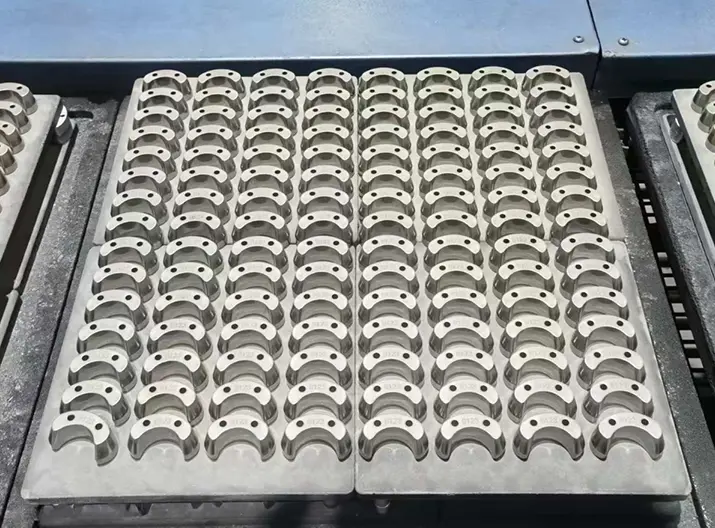
POWDER METALLURGY
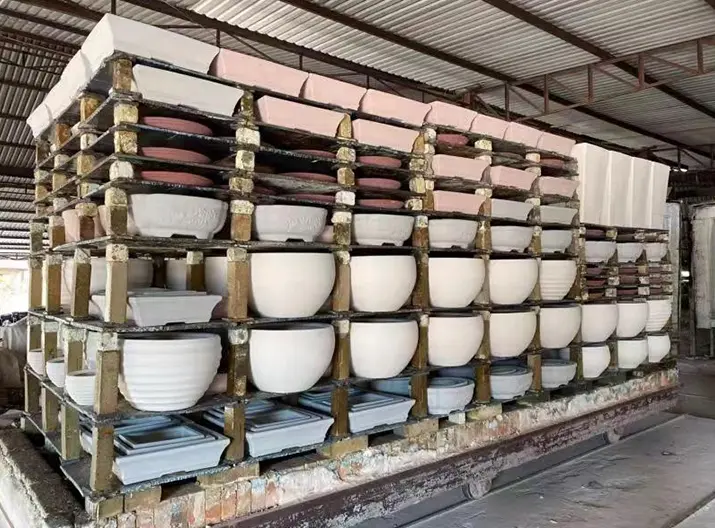
CERAMIC PRODUCTION

In 2024
2024
Enter the automotive electronics industry. Became a partner of BYD’s new energy vehicle.
step9

Delivery
step9
We have professional and reliable logistic partners, they can help to deliver cargo to all the world.
step8
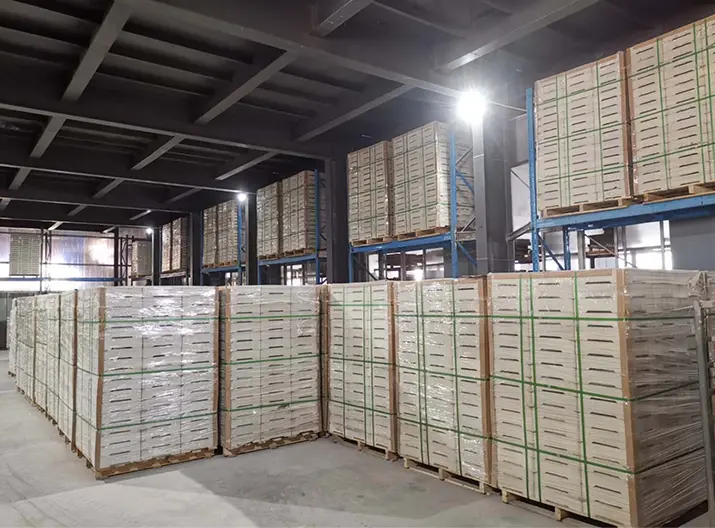
Package
step8
We make very good package and it will be very safe.
step7
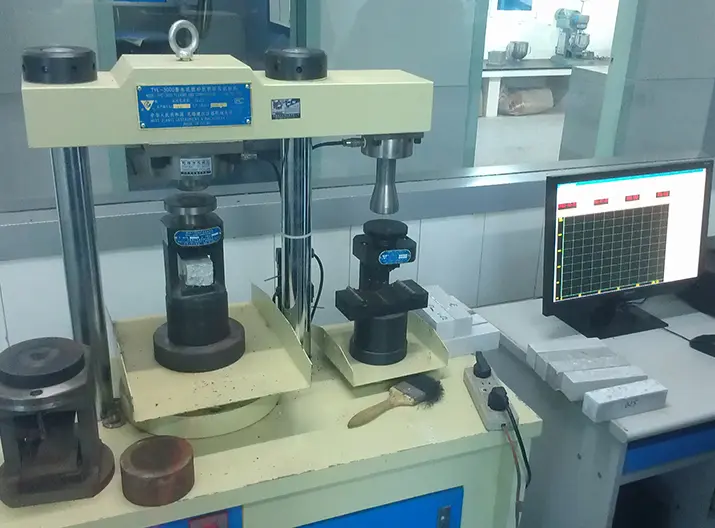
QC
step7
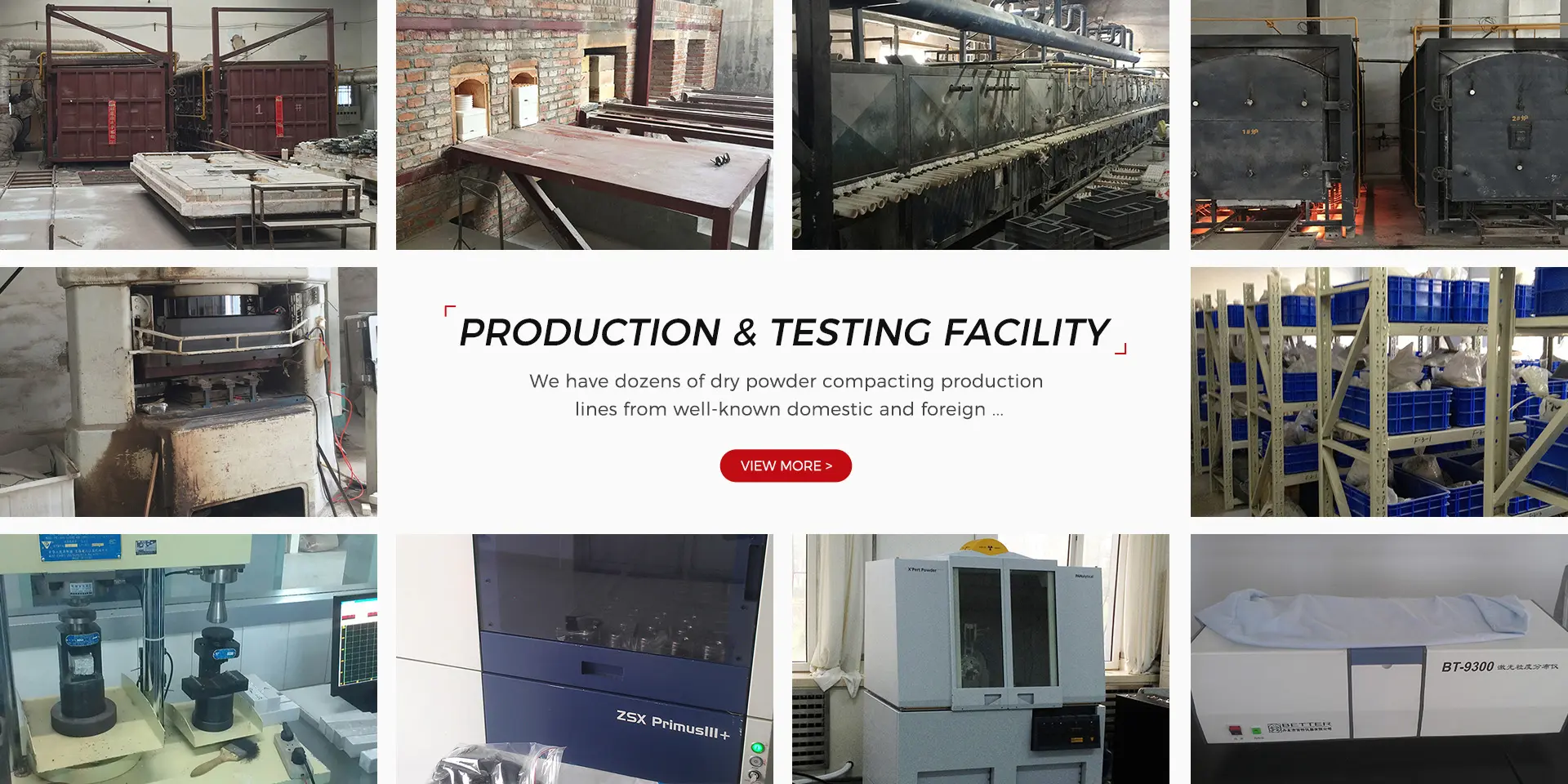
We have professional and advanced QC equipments.
step6
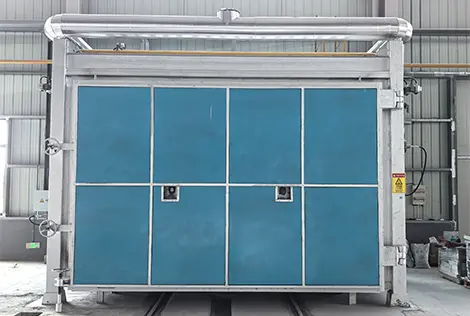
Sintering
step6
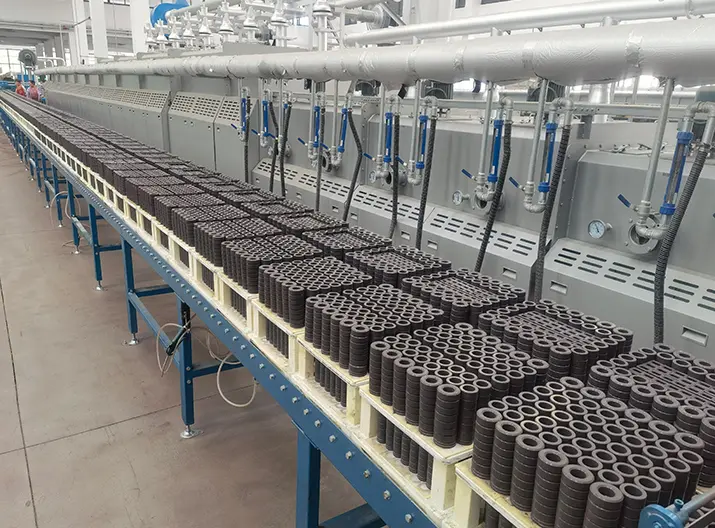
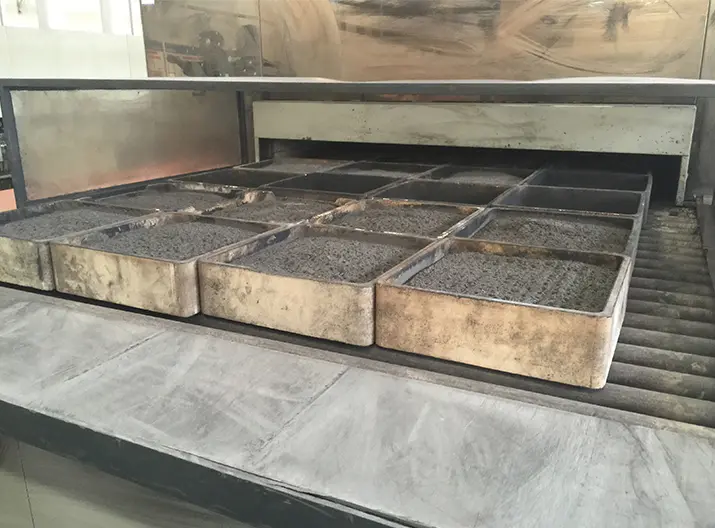
After drying, we will have firing process.We have professional automatic firing kilns.
step5
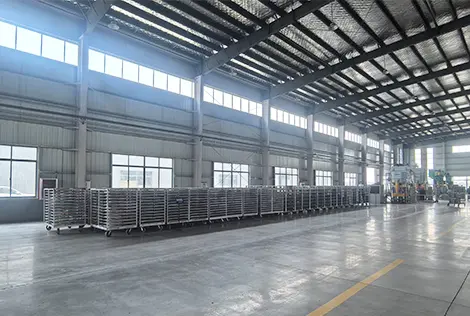
Drying
step5
After moulding, we will have drying process.It is very important before firing.We have professional drying rooms.
step4
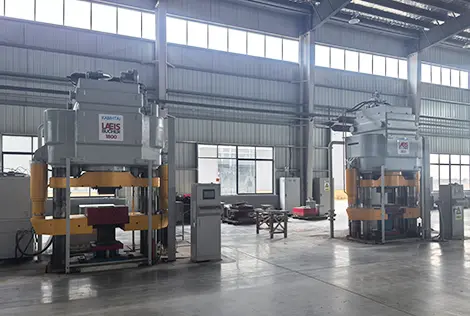
Moulding
step4
We have large press machine for moulding.It can make our products better quality.
step3
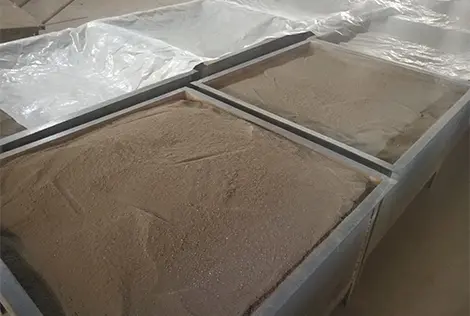
step3
AGING
After mixing and batching, we will have aging process. It can make the material more even.
step2
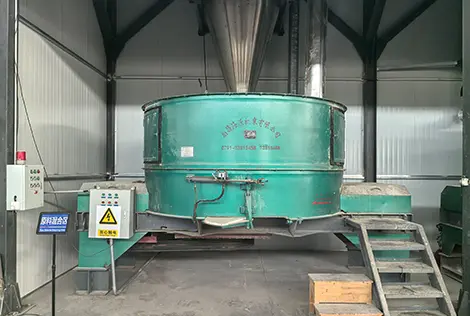
Batching and mixing
step2
We have large capacity batching and mixing machine.We can have mass production quickly.
step1
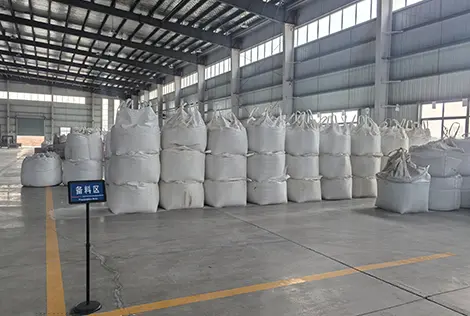
Raw material warehouse
step1
We have large warehouse for raw material storage and we will test raw material before using.Every kind of raw material is named and storaged in order.

2026-08-18
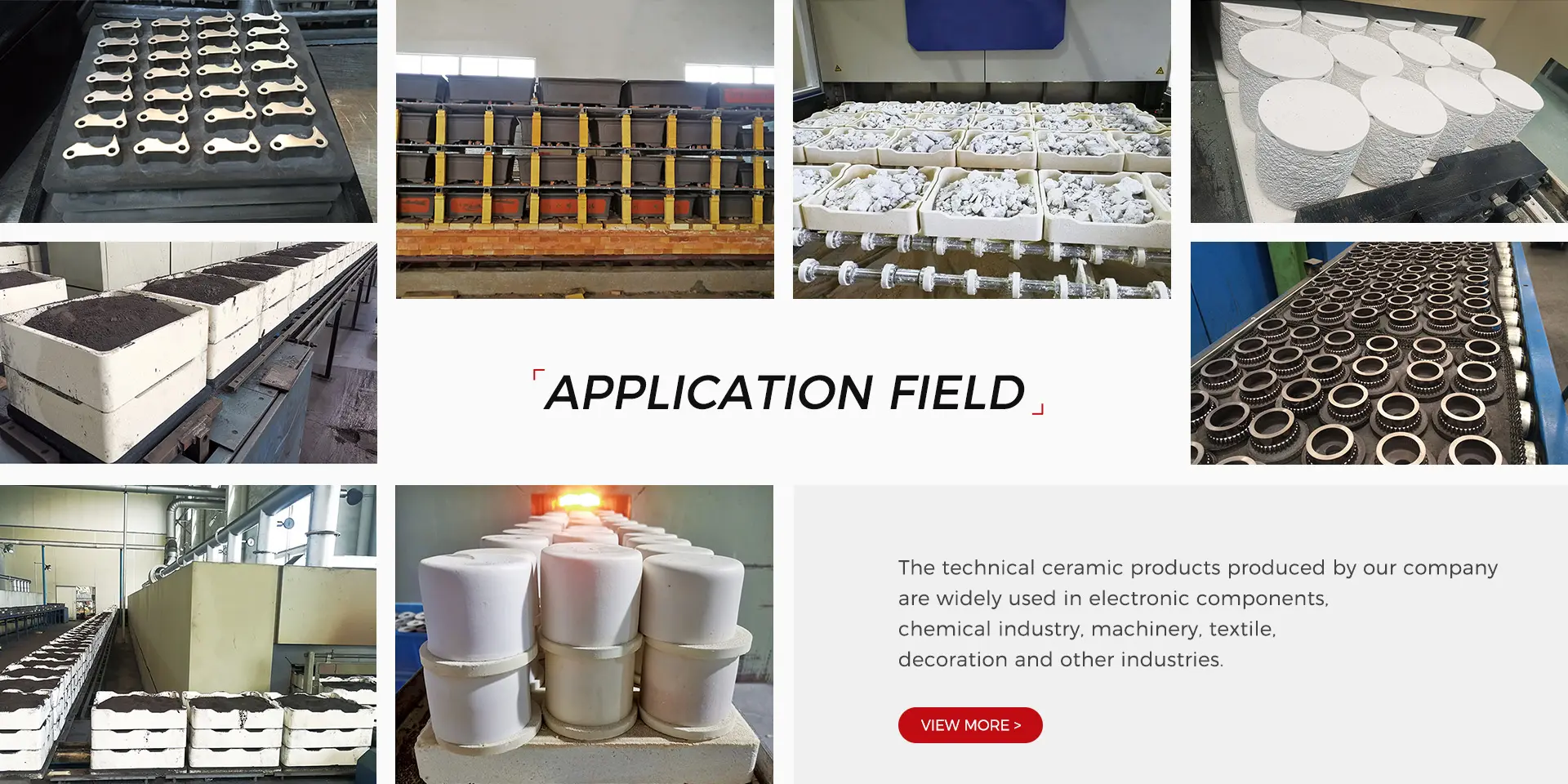
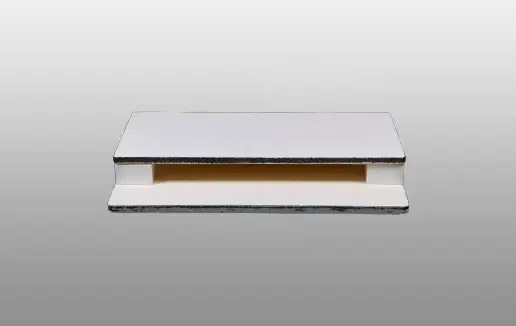
Manufacturing Challenges of Refractory Kiln Furniture for MLCC Sintering
Introduction
The refractory setter plates and support systems used in Multi-Layer Ceramic Capacitor (MLCC) sintering are among the most demanding products in the entire advanced ceramics industry. On the surface, a zirconia-coated setter plate appears deceptively simple — a flat, rectangular ceramic slab, typically 200 mm to 500 mm on a side and 3 mm to 10 mm thick. Yet manufacturing these plates to the exacting standards required by MLCC production requires overcoming a cascade of interconnected challenges in raw material purification, near-net-shape forming, high-temperature sintering, precision machining, and functional coating. Failure at any stage results in plates that warp, crack, delaminate, or contaminate the capacitor chips — directly reducing the MLCC manufacturer's yield. This article examines the principal manufacturing difficulties and the technical strategies used to address them.
2026-07-30
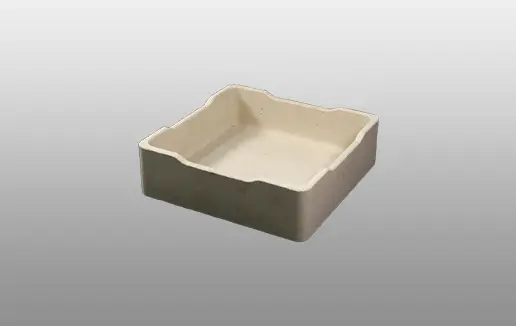
The Evolution of Kiln Furniture in Chinese Porcelain Firing
Chinese porcelain art, renowned for its exquisite glaze, delicate texture and timeless elegance, owes its millennia-long prosperity not only to sophisticated ceramic formulas and craftsmanship, but also to the continuous innovation of kiln furniture. Kiln furniture refers to refractory tools used for holding, supporting and protecting porcelain blanks during sintering, including spacers, supports, saggers and modern refractory plates. Its evolutionary history mirrors the technological progress of Chinese porcelain firing, adapting to changes in kiln structures, fuels and aesthetic demands from ancient times to the modern era.