The 2026 Best Porous Alumina Ceramics for Global Buyers?
In recent years, the demand for Porous Alumina Ceramics has surged across various industries. These materials are known for their excellent mechanical properties and versatility. They find applications in filtration, catalysis, and biomedical fields.
Global buyers are increasingly looking for the best options available. Understanding the specific needs of different applications is crucial. This guide aims to identify the top Porous Alumina Ceramics that meet diverse requirements.
The selection process can be challenging. Factors such as porosity levels, thermal stability, and production methods significantly influence material performance. Buyers must evaluate their choices carefully. A well-informed decision can lead to enhanced product performance and longevity.
Key Characteristics Defining High-Quality Porous Alumina Ceramics for 2026
When considering the best porous alumina ceramics in 2026, specific characteristics stand out. High-quality porous alumina ceramics have unique structural features that enhance their performance. They are known for their excellent mechanical strength and thermal stability. This makes them suitable for various industries, including aerospace and medical applications.
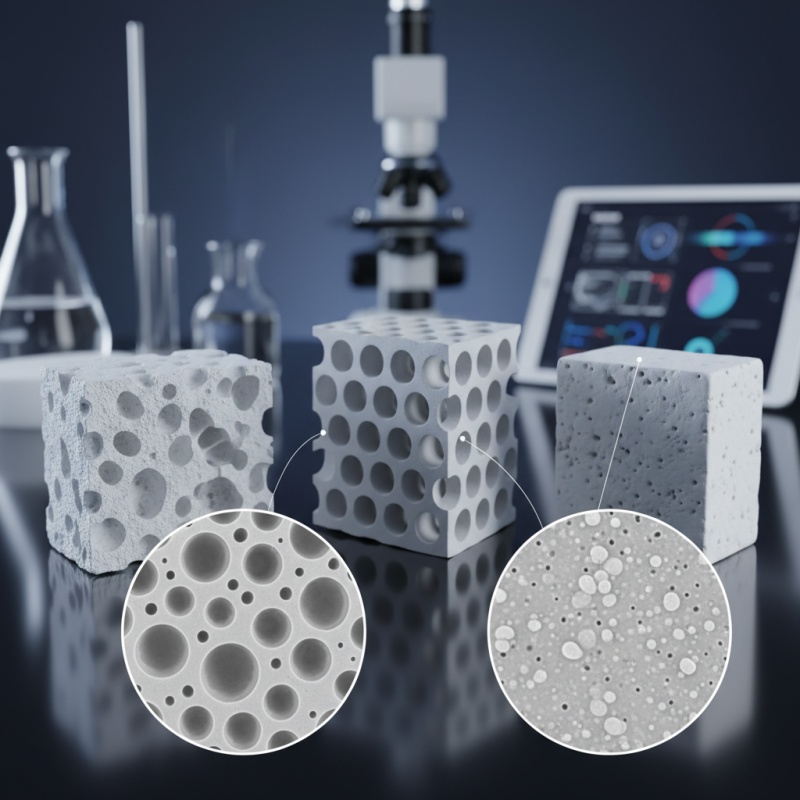
One key factor is porosity. Effective pore structure allows for improved filtration and insulation. Larger pores can increase permeability, while smaller ones ensure strength. The balance is crucial. A well-optimized structure is vital for achieving the desired performance metrics. However, it's worth noting that not all porous alumina ceramics meet these standards. Some products may lack
uniformity in pore distribution, impacting their efficiency.
Another significant aspect is purity. A high level of purity in the raw materials used is essential for enhancing the mechanical properties. Impurities can weaken the material and affect its lifespan. Buyers should be cautious and seek detailed specifications. It’s important to evaluate the production processes and the expertise behind them. Quality differences can be subtle but impactful.
Market Trends Influencing the Global Demand for Porous Alumina Ceramics
The global demand for porous alumina ceramics is on the rise. This growth is influenced by several market trends. One key factor is the increasing need for energy-efficient materials in various applications. Porous alumina ceramics offer excellent insulation properties. They help reduce energy consumption in industries such as construction and manufacturing.
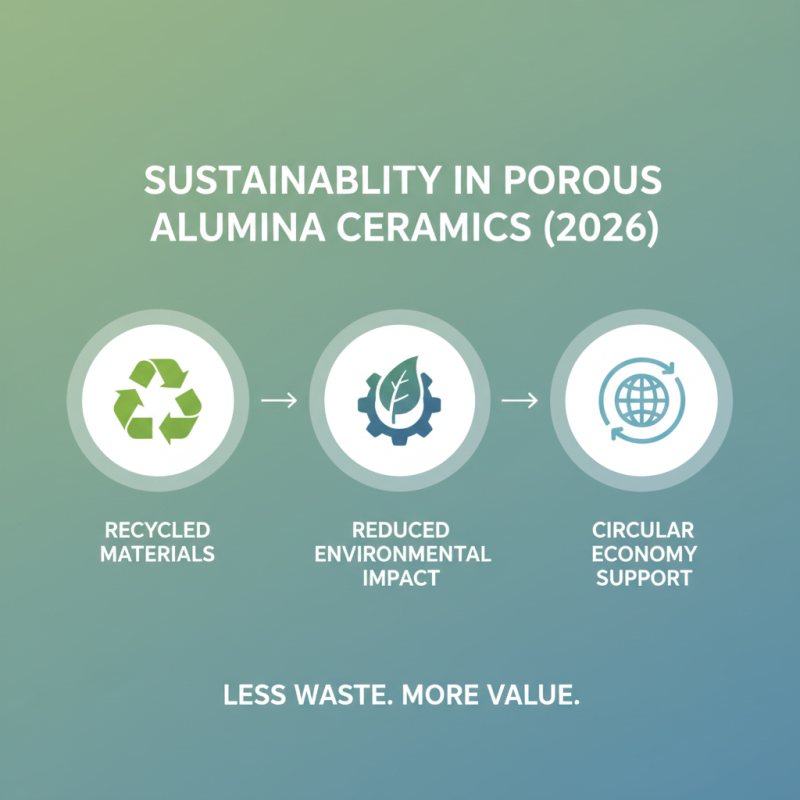
Another trend is the growing interest in sustainable and eco-friendly materials. Businesses seek alternatives that minimize environmental impact. Porous alumina ceramics can be produced from abundant natural resources. Their durability and recyclability make them attractive to green initiatives. Additionally, these ceramics are valued in the medical field for their biocompatibility. They can serve as scaffolding for tissue engineering and other medical applications.
However, challenges remain. The production process can be complex and costly. This affects pricing and accessibility. As demand increases, manufacturers may struggle to keep up with quality and supply. Continuous research and innovation are essential to address these issues. The future looks promising, but careful planning is necessary to meet the market's evolving needs.
Comparative Analysis of Leading Manufacturers in the Porous Alumina Sector
The porous alumina ceramics market is evolving rapidly, driven by advancements in manufacturing and increasing demand in various industries. Leading manufacturers are focusing on improving product quality, reducing costs, and expanding their market reach. According to a recent industry report, the global porous alumina market is projected to grow at a CAGR of 5.8% over the next five years. This growth is influenced by applications spanning from filtration systems to biomedical implants.
A comparative analysis reveals that while several manufacturers excel in specific areas, the overall innovation landscape is quite fragmented. Some companies have made significant strides in enhancing thermal stability and mechanical strength. Others have focused on optimizing porosity for better performance in filtration applications. This divergence in focus might lead to challenges in standardization across products, making it crucial for buyers to conduct thorough evaluations based on their unique requirements.
Tips: When selecting porous alumina ceramics, consider the specific properties essential for your application. Examine product specifications in detail. Look for manufacturers with a track record of consistency and reliability. Doing so will help mitigate potential performance issues in real-world scenarios.
The 2026 Best Porous Alumina Ceramics for Global Buyers? - Comparative Analysis of Leading Manufacturers in the Porous Alumina Sector
| Characteristic |
Manufacturer A |
Manufacturer B |
Manufacturer C |
| Porosity (%) |
30 |
28 |
35 |
| Flexural Strength (MPa) |
250 |
230 |
245 |
| Thermal Conductivity (W/m·K) |
10.5 |
12.0 |
11.0 |
| Density (g/cm³) |
1.0 |
1.1 |
1.05 |
| Average Particle Size (µm) |
15 |
18 |
16 |
| Operating Temperature (°C) |
1200 |
1300 |
1250 |
Innovative Applications of Porous Alumina Ceramics across Various Industries
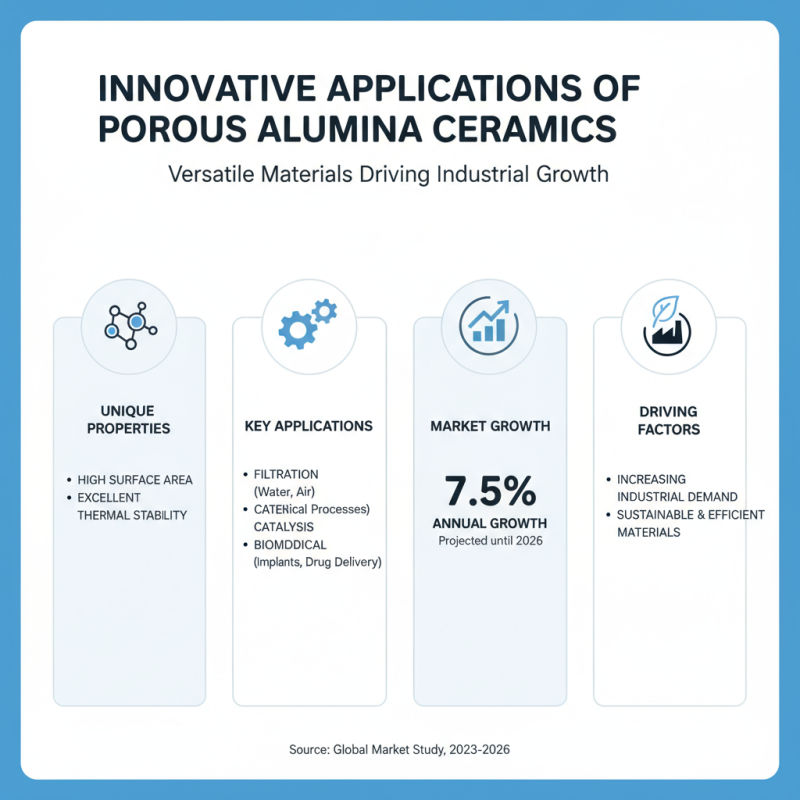
Porous alumina ceramics are gaining traction across various industries due to their unique properties. With a high surface area and excellent thermal stability, these materials are becoming essential in fields like filtration, catalysis, and biomedical applications. According to a recent market study, the global porous alumina ceramics market is projected to grow by 7.5% annually until 2026. This growth is driven by increasing industrial demands for sustainable and efficient materials.
In the filtration industry, porous alumina ceramics are noted for their ability to remove impurities from liquids and gases. Their pore structure can be tailored to target specific contaminants, enhancing their effectiveness. Moreover, in the biomedical field, they serve as scaffolds for tissue engineering due to their biocompatibility and mechanical strength. However, manufacturers face challenges like optimizing pore size and uniformity. Continuous research is needed to improve these parameters and to ensure reliability in final applications.
In the energy sector, these ceramics play a crucial role in catalysis for clean energy production. Studies indicate that incorporating porous alumina can significantly enhance reaction rates while minimizing byproducts. Despite these advantages, further advancements are needed to lower production costs. Addressing these challenges can lead to broader applications and increased market penetration.