Why Choose Zirconia Ceramic for Your Next Project?
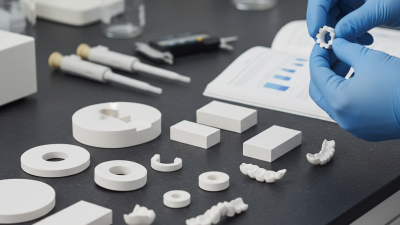
In the fast-evolving world of materials science, Zirconia Ceramic stands out as a leading choice for various applications. This advanced ceramic has gained significant traction due to its exceptional mechanical properties and biocompatibility. According to a recent report by MarketsandMarkets, the global Zirconia market is expected to reach $3.2 billion by 2025, driven by demand in dental and medical sectors.
Dr. Anna Smith, a noted expert in materials engineering, emphasizes its importance. She states, "Zirconia Ceramic offers unparalleled strength and reliability, making it ideal for long-lasting applications." This material's resistance to wear and thermal shock underlines its versatility. However, the journey to harness its full potential is complex. While many industries benefit, implementing Zirconia effectively requires careful consideration of project specifics.
Applications range from dental implants to aerospace components. However, fabrication techniques are still being refined. The initial costs can be high, yet the long-term savings are significant. Understanding the nuances of Zirconia Ceramic is vital for project success. As we explore this material, we'll uncover its benefits and challenges, paving the way for informed decision-making.
The Unique Properties of Zirconia Ceramic
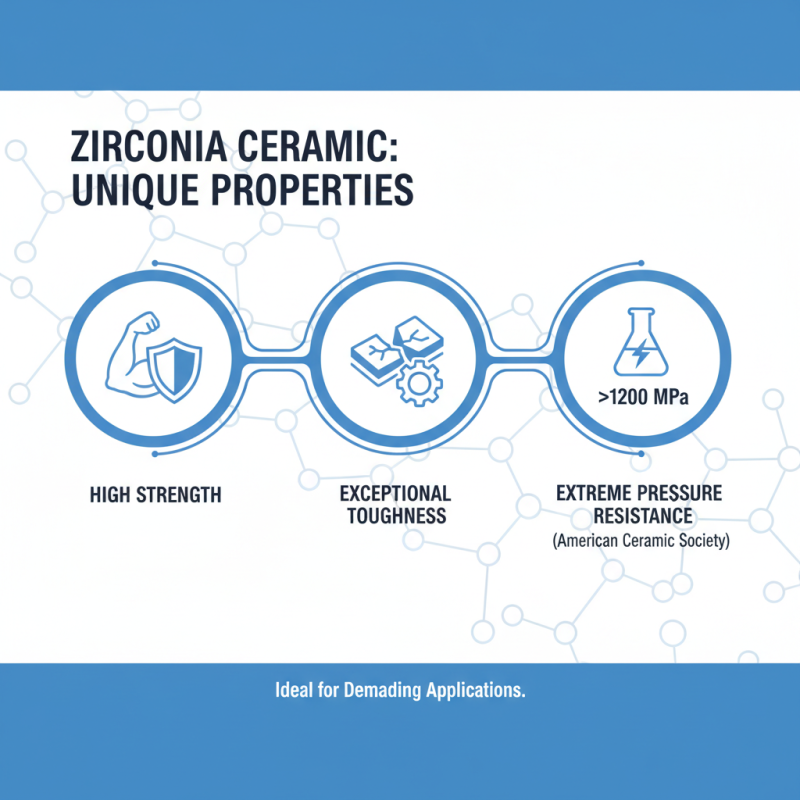
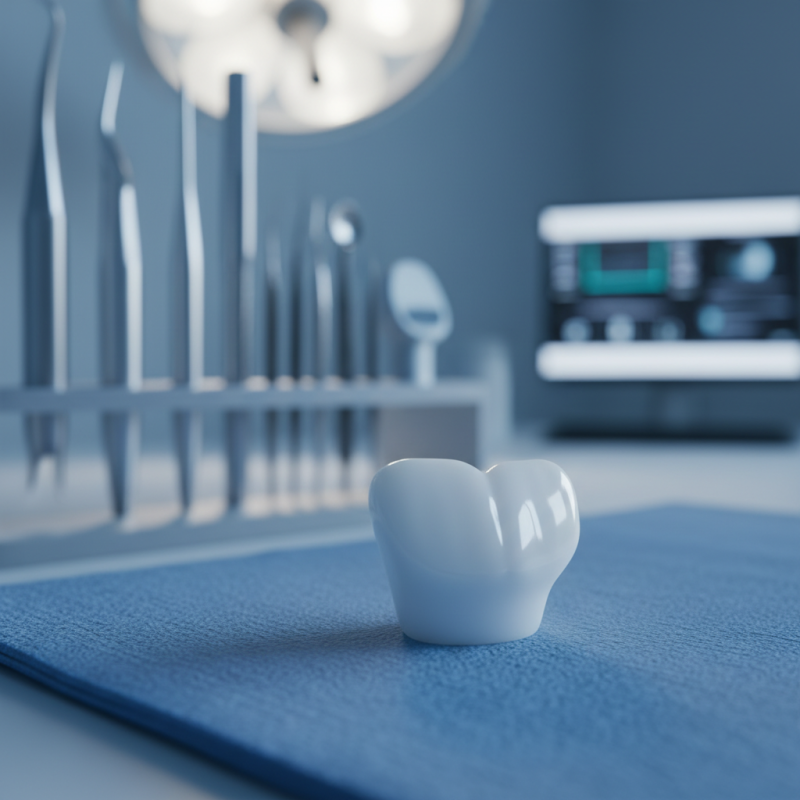
Zirconia ceramic stands out for its exceptional properties. This material has high strength and toughness, making it ideal for various applications. According to a study by the American Ceramic Society, zirconia can withstand pressures of over 1,200 MPa. This unyielding strength ensures its reliability in demanding environments.
In addition to strength, zirconia ceramic exhibits excellent wear resistance. It is resistant to scratches and degradation, leading to lower maintenance costs over time. A report from the Journal of Materials Science highlights its resistance to thermal shock. This property allows zirconia to perform well in extreme temperature changes, making it suitable for industrial uses.
The biocompatibility of zirconia is another significant factor. Research indicates that it has minimal adverse reactions when in contact with living tissues. This makes it an ideal material for medical implants and dental applications. However, it's crucial to continue exploring its long-term effects in these settings. Understanding these nuances allows for improved designs and applications in future projects.
Applications of Zirconia Ceramic in Various Industries
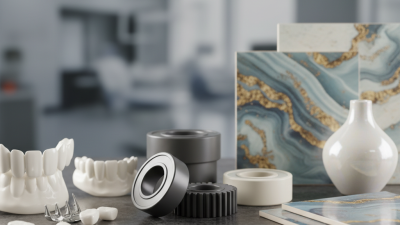
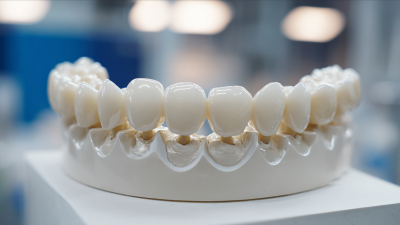
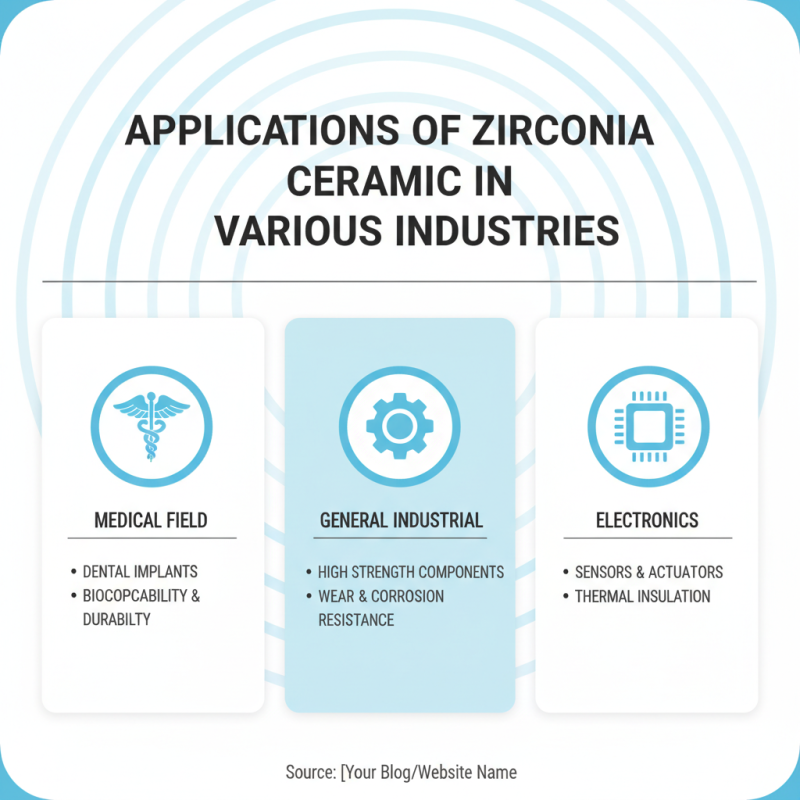
Zirconia ceramic is gaining attention across multiple industries. Its unique properties make it suitable for various applications. In the medical field, zirconia is widely used for dental implants. Its biocompatibility ensures a lower risk of rejection in patients. Furthermore, its durability provides long-lasting solutions for dental restorations.
In the aerospace industry, zirconia's thermal resistance is invaluable. Components made from this material can withstand extreme temperatures during flight. However, achieving the perfect consistency in manufacturing can be a challenge. Any variation in quality might affect performance.
Additionally, zirconia ceramic is found in the electronics sector. Its insulating properties are essential for various electronic devices. Yet, it's crucial to refine the production process continuously. This ensures that electronic components function effectively without failures. The versatility of zirconia ceramic is evident, though it poses certain manufacturing hurdles that require ongoing innovation.
Advantages of Zirconia Ceramic Over Other Materials
Zirconia ceramic stands out for its unique qualities. It offers exceptional strength and durability, making it ideal for various projects. This material resists wear and tear effectively, which is especially vital in high-stress applications. Its high resistance to corrosion is another significant benefit. Unlike metals, zirconia does not rust or degrade over time.
When considering materials for a project, aesthetics often matter. Zirconia ceramic boasts a smooth, glossy finish that adds elegance. This makes it suitable for both functional and decorative purposes. Additionally, it is lightweight, which can help reduce the overall weight of your products without compromising quality.
Tips: Ensure you assess your project's specific needs before choosing zirconia. While it excels in many areas, it may not be the right choice for every application. Consider any potential drawbacks, like its price point. Investing in zirconia may offer long-term advantages, but budget constraints are essential to keep in mind. Always consult experts when in doubt about material selection to make informed decisions.
Why Choose Zirconia Ceramic for Your Next Project? - Advantages of Zirconia Ceramic Over Other Materials
| Property |
Zirconia Ceramic |
Other Ceramics |
| Hardness |
High (1500-1700 HV) |
Moderate (600-1200 HV) |
| Tensile Strength |
Very High (900-1200 MPa) |
Low to Moderate (400-600 MPa) |
| Thermal Conductivity |
Low (2.5-3 W/m·K) |
Varies (10-25 W/m·K) |
| Fracture Toughness |
Excellent (8-10 MPa·m^0.5) |
Low to Moderate (2-4 MPa·m^0.5) |
| Corrosion Resistance |
High |
Variable |
| Applications |
Dental crowns, cutting tools, electronic components |
Tiles, pottery, insulators |
Cost Considerations for Using Zirconia Ceramic
When considering materials for your next project, zirconia ceramic can be an excellent choice. Understanding its cost implications is crucial for effective budgeting. Zirconia ceramic offers a balance between quality and affordability, but there are hidden costs to be aware of.
One of the factors affecting cost is the manufacturing process. While zirconia ceramic is durable and resistant to wear, the initial production may require specialized techniques. These techniques can increase initial expenses, making it vital to weigh immediate costs against long-term benefits. Additionally, consider the longevity of zirconia ceramic. Although the initial investment may be higher, its durability often results in cost savings over time.
Tips for budgeting: Research multiple suppliers to compare prices. Also, factor in maintenance costs, as low-maintenance materials may save money in the long run. Remember to think about the project’s scope and how the material’s properties will impact overall performance. Not all applications will benefit equally from zirconia. If you’re unsure, consult with experts who can provide insight into the material's suitability for your specific needs. This reflection can save time and resources, ensuring your investment is justified.
Cost Considerations for Using Zirconia Ceramic in Projects
Future Trends in Zirconia Ceramic Technology
Zirconia ceramic technology is evolving rapidly. The material is renowned for its strength and durability, making it popular in various applications. Recently, researchers are focusing on enhancing its properties, pushing the boundaries of its usefulness. Innovations in manufacturing techniques are allowing for better control over material properties. This could lead to even more advanced applications in fields like dentistry and aerospace.
Future trends indicate an emphasis on sustainability. Manufacturers explore environmentally friendly methods for production. This shift could significantly reduce the carbon footprint of zirconia ceramics. Another trend is the incorporation of smart technologies. Integrating sensors into zirconia products may lead to interactive applications. For instance, dental restorations that monitor conditions or wear.
Despite these advancements, challenges remain. Production costs can be high, making it less accessible for some industries. Additionally, the long-term performance under various conditions is still under study. Consequently, continuous research is vital. Understanding these aspects will drive future innovations and ensure reliability in real-world use.