What are the Benefits of Technical Ceramics in Industry?
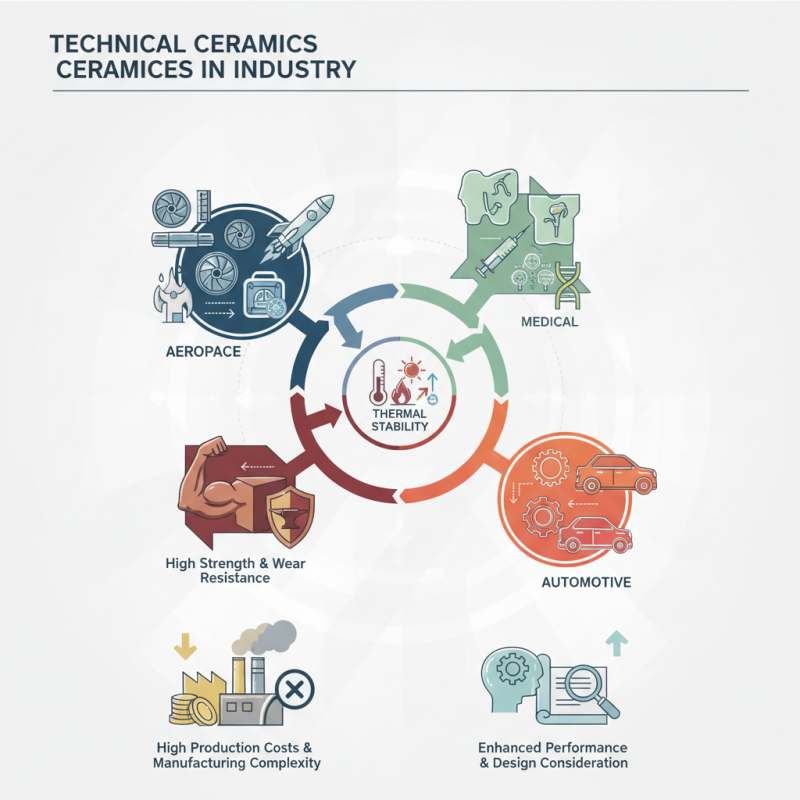
Technical ceramics have become instrumental in various industries due to their unique properties. These materials are known for their high strength, wear resistance, and thermal stability. According to a recent market analysis by Research and Markets, the global technical ceramics market is projected to reach $16 billion by 2025. This growth reflects the increasing demand for innovative materials in sectors like aerospace, medical, and automotive.
The versatility of technical ceramics is evident in their applications. In aerospace, for instance, they are used in turbine engines and heat shields. In medical devices, their bioinert nature ensures compatibility with human tissues. However, the high production costs and the complexity of manufacturing these materials present challenges. Companies must balance performance with cost-effectiveness.
As industries continue to evolve, the relevance of technical ceramics grows. They offer solutions that can enhance performance but require careful consideration in design and application. The potential is vast, but businesses must navigate the intricacies of integrating these materials into their processes.
Applications of Technical Ceramics in Various Industries
Technical ceramics play a crucial role in various industries due to their unique properties. In aerospace, these materials excel in thermal resistance. In fact, a report from MarketsandMarkets predicts the technical ceramics market to grow by over 7% annually. This growth highlights their importance in improving fuel efficiency and reducing emissions in aircraft engines.
In the medical field, technical ceramics are invaluable. They are used in implants and dental applications due to their biocompatibility. The global market for medical ceramics is projected to reach $25 billion by 2025, according to a recent study. These materials offer durability and resistance to wear, which are critical for long-lasting medical devices. However, their high manufacturing costs can be a barrier to wider adoption, prompting ongoing research into more cost-effective production techniques.
The automotive industry also benefits significantly from technical ceramics. They are used in engine components that must withstand extreme conditions. For instance, ceramic sensors improve vehicle diagnostics and emissions monitoring. Despite these advancements, concerns about brittleness remain. Engineers continue to seek solutions to enhance durability without compromising performance. This ongoing challenge reflects the evolving nature of technical ceramics in demanding applications.
Enhanced Durability and Wear Resistance of Technical Ceramics
Technical ceramics play a significant role in various industries due to their enhanced durability and wear resistance. These materials can withstand high temperatures and pressures. They don’t easily wear down, making them ideal for parts in machinery. For example, in the automotive sector, ceramic components protect engines from damage. Their resilience translates into longer service life.
However, these benefits come with challenges. Technical ceramics can be brittle and prone to cracking under sudden impacts. This makes careful handling crucial during installation. It’s vital to consider the application environment before selecting ceramics. In some cases, using a combination of materials may yield better results.
Tips: Always assess the specific needs of your application. Test different ceramic types to find the best fit. Keep maintenance in mind; even durable materials require attention over time. Understanding these aspects can help maximize the benefits of technical ceramics.
Thermal and Electrical Insulation Properties of Technical Ceramics
Technical ceramics are gaining attention in various industrial applications. Their thermal insulation properties make them ideal for environments exposed to high temperatures. For example, they can withstand extreme heat without degrading. This quality is crucial in industries like aerospace and manufacturing.
Moreover, technical ceramics offer excellent electrical insulation. They prevent energy loss and ensure safety in electrical applications. These materials don't conduct electricity, which reduces the risk of short circuits. However, not all technical ceramics perform equally under different conditions. Some may crack under stress or fail in humid environments. Evaluating their limitations is essential for optimal use.
The ability to customize technical ceramics is impressive. They can be tailored to specific needs, but this comes with challenges. The production process requires precision and investment. Manufacturers must balance quality and cost to make these materials accessible. Achieving the perfect properties in technical ceramics is still a work in progress. Industries must adapt and innovate continually.
What are the Benefits of Technical Ceramics in Industry? - Thermal and Electrical Insulation Properties of Technical Ceramics
| Property |
Description |
Applications |
| Thermal Insulation |
Technical ceramics provide high thermal resistance, minimizing heat transfer. |
Used in high temperature applications like furnace linings and thermal barriers. |
| Electrical Insulation |
Excellent dielectric properties make them ideal for insulating components. |
In capacitors, insulators for electrical circuits, and semiconductors. |
| Corrosion Resistance |
Resistant to harsh chemicals and corrosive environments. |
In chemical processing equipment and storage containers. |
| Wear Resistance |
High hardness and durability help in wear applications. |
Used in cutting tools, bearings, and industrial machinery. |
| Lightweight |
Low density compared to metals while maintaining strength. |
Aerospace and automotive applications where weight savings are critical. |
Cost-Effectiveness and Design Flexibility of Technical Ceramics
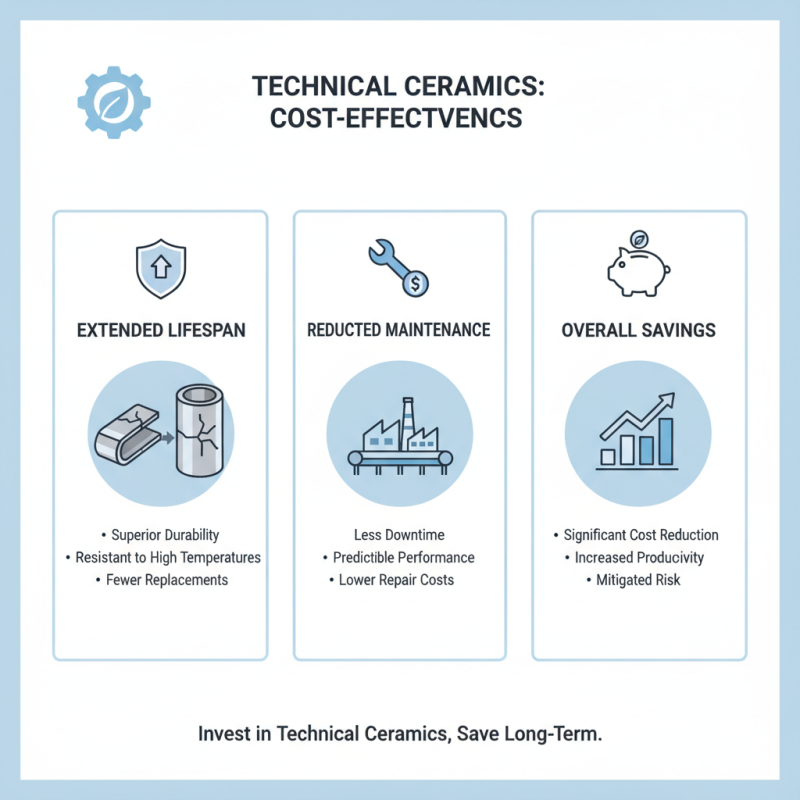
Technical ceramics offer significant cost-effectiveness for various industries. These materials are durable and resistant to high temperatures. This means they can last longer than traditional materials. In turn, companies save money on maintenance and replacements. This durability also reduces downtime in production lines. When equipment breaks, costs can skyrocket. Using technical ceramics helps mitigate this risk.
Design flexibility is another key benefit. Manufacturers can create intricate shapes and sizes. This adaptability allows for unique applications across multiple sectors. For example, in aerospace, precision is crucial. Technical ceramics can be tailored to meet specific needs. However, there are challenges in the production process. Not all designs may meet structural integrity requirements. Careful consideration is necessary to avoid failures.
While the advantages are clear, not every application may be suitable. Testing and validation are crucial. Engineers must assess whether technical ceramics align with project specifications. This meticulous approach ensures reliability in end products. Balancing cost and performance can be tricky. Each decision impacts overall results.
Environmental Benefits of Using Technical Ceramics in Manufacturing
Technical ceramics are becoming increasingly important in manufacturing. Their environmental benefits are particularly noteworthy. These materials are known for their durability and longevity, which contribute to reduced waste. According to a report from the Technical Ceramics Association, using ceramics can increase the lifespan of components by up to 50%. This longevity means fewer replacements, leading to less material consumption over time.
Moreover, technical ceramics can help cut down on energy consumption. Studies show that processes involving ceramics often utilize lower processing temperatures. Reduced energy usage not only saves costs but also decreases greenhouse gas emissions. A specific analysis indicated that switching to ceramics from metals in certain applications can result in energy savings of around 30%.
Nonetheless, there are challenges. The initial production costs of technical ceramics can be high. This factor may deter some manufacturers from making the switch. Additionally, while the material is environmentally friendly, the mining and processing of raw materials can still impact local ecosystems. Greater efforts are needed to ensure sustainability throughout the entire supply chain. Balancing these factors is crucial for the future adoption of technical ceramics in industry.
Environmental Benefits of Using Technical Ceramics in Manufacturing