Best Kiln Furniture for Efficient and Affordable Firing?
Kiln furniture is an essential component for potters and ceramic artists. Choosing the right kiln furniture can enhance firing efficiency while keeping costs manageable. Quality kiln shelves, posts, and plates are crucial for achieving desired results.
Good kiln furniture supports the even distribution of heat. It allows for optimal air circulation during firing. However, striking the right balance between performance and affordability can be challenging. Some products may warp or wear out quickly. It's vital to assess the material quality and durability.
Investing in kiln furniture is not just about buying a product. It’s about understanding your firing process and needs. Often, people overlook the importance of proper fitting. Make sure to evaluate different options before committing. Kiln furniture matters more than one might think. It can significantly impact the overall firing experience.
Types of Kiln Furniture: An Overview of Options for Firing
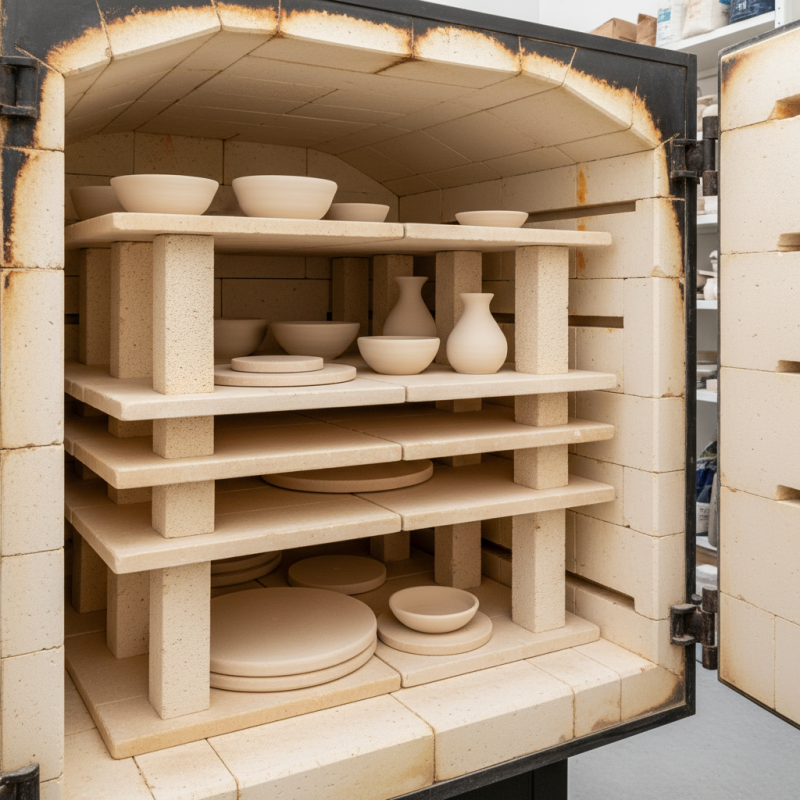
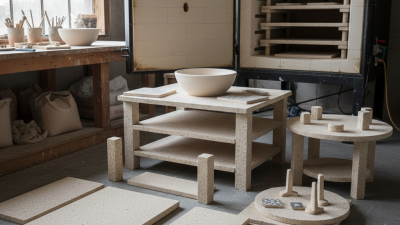
When considering kiln furniture, there are various types to explore. These options play a crucial role in firing efficiency. Among the most common are kiln shelves, posts, and plates. Each type serves a unique purpose. Kiln shelves provide a sturdy surface for placing work. Posts hold the shelves at the desired height. Plates act as dividers, enhancing airflow.
Tips: Choose the right shelf thickness based on the weight of your work. The thicker the shelf, the better it supports larger projects. Ensure your posts are of adequate height. This prevents overcrowding, which can lead to uneven firing.
Material choice is important. Durable materials last longer but may cost more upfront. Ceramic fiber shelves are lightweight but fragile. They need careful handling. Reusable posts may ultimately save money. However, reflect on their condition regularly. Worn-out posts can affect stability during firing.
Remember, trial and error is part of the process. Sometimes, the ideal setup may take a few attempts to achieve. Track your results to find the best arrangement. It's a journey worth taking for better firing outcomes.
Factors to Consider When Choosing Kiln Furniture for Efficiency
When selecting kiln furniture, efficiency is key. Consider material type, size, and design. High-density cordierite is favored for its thermal stability. This allows for even heat distribution, which is crucial for consistent firing results. Research shows that using the right kiln furniture can improve energy efficiency by up to 20%.
Choosing the correct size of kiln shelves is equally important. They should fit snugly without overcrowding. Overloading can lead to uneven heat distribution, impacting the final product. Additionally, shelf thickness affects both durability and heat retention. A thinner shelf may save initial costs, but can warp under high temperatures.
Tips: Invest in high-quality props and stilts. They can improve airflow and support load efficiently. Regularly inspect your kiln furniture for wear and tear. Dents and scratches can lead to failure during firing. Prioritize functionality over aesthetics. Sometimes the best solution isn’t the most visually appealing.
Benefits of Using Affordable Kiln Furniture in Your Firing Process
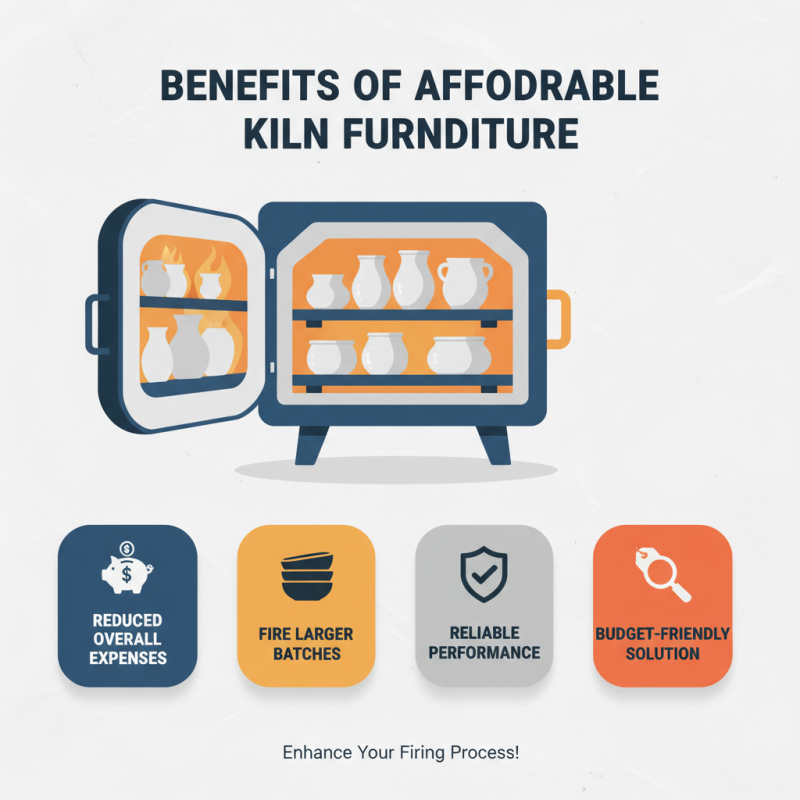
Using affordable kiln furniture can significantly enhance the firing process. Cost-effective options help reduce overall expenses for ceramic artists. When budgets are tight, finding reliable solutions is crucial. Affordable kiln furniture often delivers good performance at a lower price. It enables potters and ceramicists to fire larger batches without breaking the bank.
One benefit of using these affordable options is their lightweight nature. This allows for easy handling and setup, especially during busy firing sessions. Durability can sometimes be a concern, though. Cheaper materials may not last as long as higher-priced alternatives. However, many artists find that proper care can extend the life of these furnitures remarkably.
It's essential to experiment with various configurations. Artists may discover that economical options can yield surprising results. Functionality and efficiency go hand in hand when kiln furniture is well-chosen. Yet, users may face a learning curve in adjusting to these budget choices. Mistakes may happen, but they provide valuable lessons. Affordable kiln furniture offers a unique opportunity for creative exploration.
Tips for Maintaining Kiln Furniture for Longevity and Optimal Performance
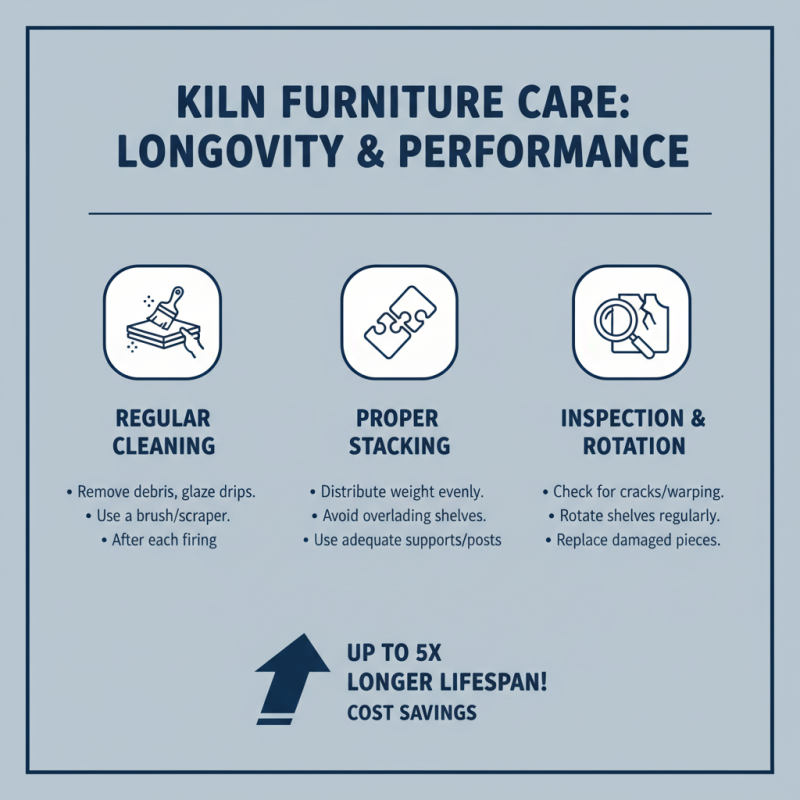
Maintaining kiln furniture is crucial for optimal firing results. Quality kiln shelves, supports, and posts need regular care. The right maintenance can extend their lifespan significantly. Research indicates that properly maintained kiln furniture can last up to five times longer than neglected pieces. This longevity translates to cost savings, as replacements can strain budgets.
Cleaning after each firing is vital. Debris can cause uneven surfaces, leading to defects in finished products. A study noted that more than 30% of production flaws are due to improper kiln furniture conditions. Use a soft brush or sponge to remove residues. Avoid harsh chemicals; they can damage surfaces. Simple, consistent maintenance routines increase efficiency in firing.
Inspecting for cracks or warping is also important. Many potters overlook this step, which can lead to larger issues later on. Damaged furniture can compromise the entire firing process. Keeping records of inspections helps identify patterns of wear over time. Addressing these issues promptly ensures better performance.
Comparing Materials for Kiln Furniture: Pros and Cons of Each Type
When selecting kiln furniture, material choice significantly affects firing efficiency and cost. Clay, for instance, is a common choice. It offers good thermal stability. However, clay can break under extreme heat, leading to unexpected issues. Think about the type of work you do.
Silicon carbide is another option. It has high strength and can withstand intense temperatures. Yet, it comes with a higher price tag. If you're on a budget, silicon carbide might not be the best choice. Weight is also a factor. Heavier materials can be more stable but may be cumbersome to handle.
Tip: Always test a small piece of furniture before large-scale use. This step saves time and avoids mishaps.
Another option is alumina. It is durable and excellent for high-fire applications. However, alumina can be expensive and overkill for lower-temperature firings.
Tip: Mix and match materials for best results. Using a combination can balance cost and performance effectively. Each material has its strengths and weaknesses. Be prepared to experiment to find what suits your needs.