Best Kiln Furniture Options for 2026 Global Buyers?
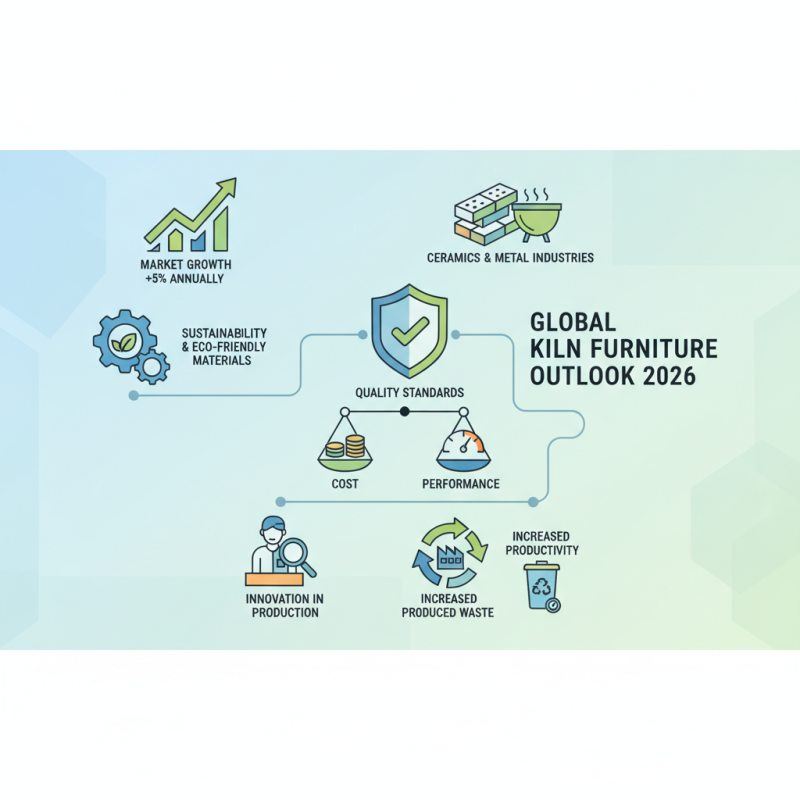
The kiln furniture industry is evolving rapidly, particularly as we approach 2026. Kiln furniture plays a critical role in ceramics and metal industries, impacting both efficiency and product quality. According to a report by Research and Markets, the global kiln furniture market is projected to grow by 5% annually, reflecting a rising demand for high-quality materials. Industry expert Dr. John Smith emphasizes, "Selecting the right kiln furniture is essential for maximizing efficiency and minimizing defects."
As buyers in the global market assess their options, they face challenges. Not all kiln furniture meets the high standards required for advanced applications. Some manufacturers cut corners, leading to inconsistencies in performance. Buyers must weigh cost against quality. This decision can significantly affect their output and reputation.
Moreover, sustainability is becoming a pressing issue. The demand for eco-friendly materials is rising as industries shift towards greener practices. There is a need for innovation in kiln furniture production processes. Balancing these aspects is critical for future buyers. The right choices can lead to increased productivity and reduced waste in the long run.
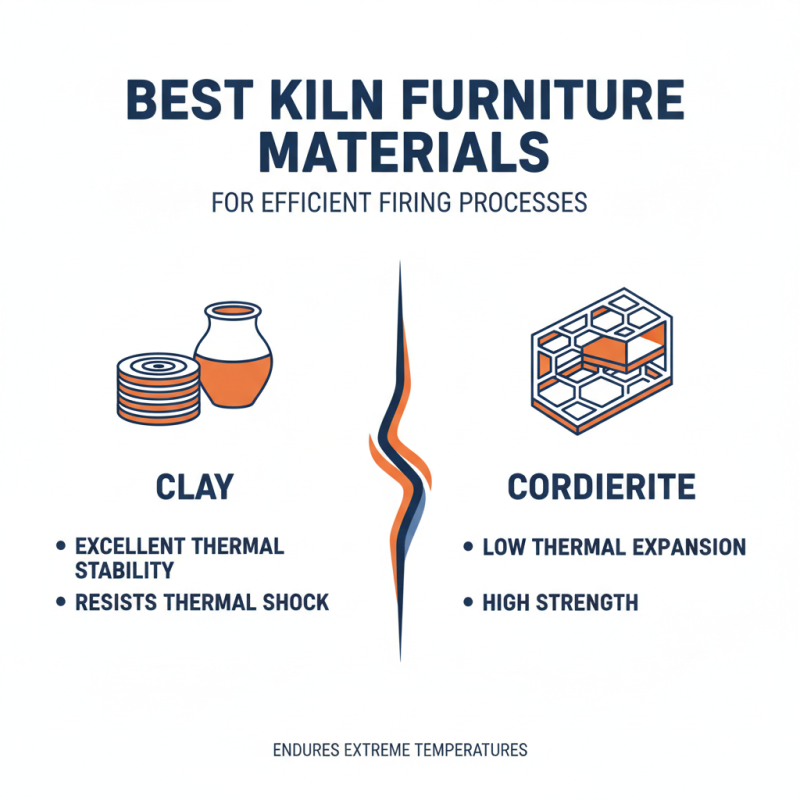
Best Kiln Furniture Materials for Efficient Firing Processes
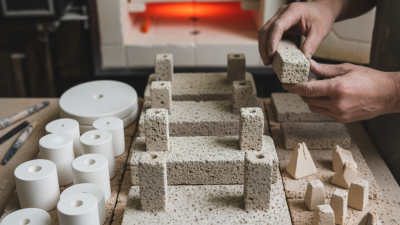
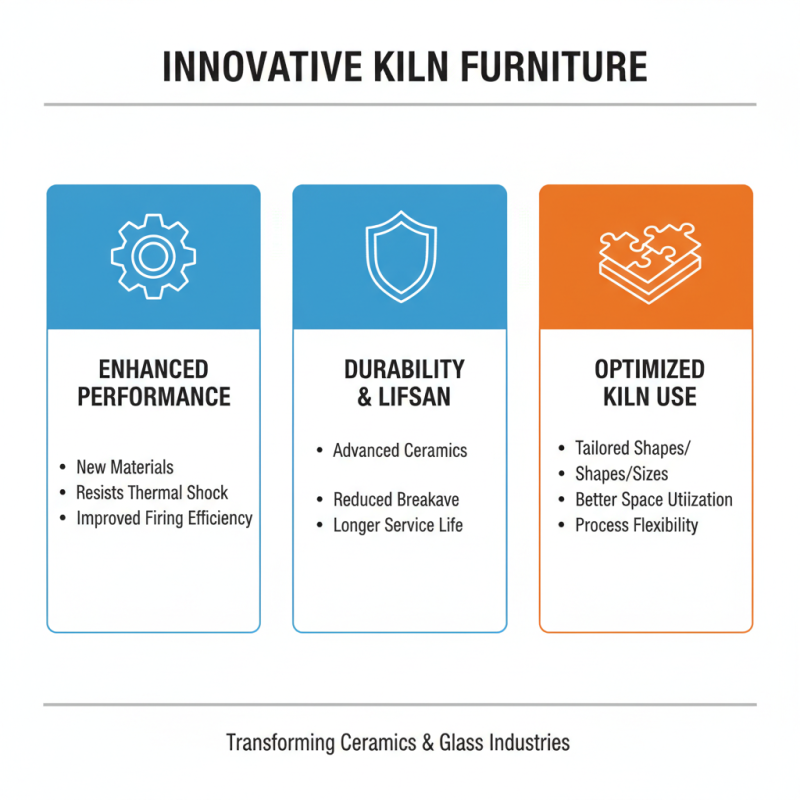
In the quest for efficient firing processes, selecting the right kiln furniture materials is crucial. Clay and cordierite stand out as popular choices. Clay, with its excellent thermal stability, is known to resist thermal shock. This makes it perfect for various firing cycles. Cordierite is another excellent material due to its low thermal expansion and high strength. Its ability to endure extreme temperatures has made it a favorite in many kiln setups.
However, one must also consider the potential downsides of these materials. Clay can be heavy, making handling cumbersome. It may also require more frequent replacement due to wear. Cordierite, while durable, can be costly. The investment may not always justify itself for smaller operations. Thus, evaluating the specific needs of your firing process is essential.
Other options like silicon carbide offer unique benefits. This material is lightweight and has a high thermal conductivity. It can improve firing efficiency but may not suit all types of ceramics. Each material presents its own set of advantages and challenges. Therefore, makers should assess their unique circumstances before making a decision.
Key Factors to Consider When Selecting Kiln Furniture
When selecting kiln furniture, several key factors must be taken into account. First, consider the material. Common options include cordierite and refractory boards. Each material has its own thermal properties and durability. For high-temperature applications, choose materials that can withstand significant heat without warping.
Evaluate the size and shape of the kiln furniture. It should fit comfortably within your kiln. A perfect fit ensures even heat distribution. Inadequate sizes can lead to poor results in your firing process. Always measure your kiln dimensions before making a decision.
Tips: Ensure you understand the weight capacity of your kiln furniture. Overloading it can lead to cracks and breakage, jeopardizing your work. Additionally, consider the ease of handling. Heavy pieces are cumbersome and may not be practical for frequent adjustments.
Finally, think about the layout. Proper arrangement can optimize airflow. This improves firing efficiency. Take time to reflect on your specific needs. Each kiln operation is unique, and your choice should reflect that individuality.
Best Kiln Furniture Options for 2026 Global Buyers
| Option |
Material |
Maximum Temperature (°C) |
Applications |
Price Range (USD) |
| Silicon Carbide Shelves |
Silicon Carbide |
1600 |
Ceramics, Glass |
250 - 400 |
| Cordierite Kiln Posts |
Cordierite |
1350 |
Ceramics |
150 - 300 |
| Alumina Supports |
Alumina |
1700 |
Glass, Ceramics |
200 - 350 |
| Kiln Furniture Set |
Various |
1450 |
General Use |
500 - 800 |
| Refractory Bricks |
Refractory Clay |
1800 |
Kiln Linings, Furnaces |
100 - 200 |
Top Kiln Furniture Brands for Global Buyers in 2026
In 2026, the global kiln furniture market is expected to reach $1.5 billion, driven by ceramic, glass, and metal industries. As production demands increase, so does the need for high-quality kiln furniture. Kiln furniture essentially supports ceramic wares during the firing process. The right choice can greatly impact efficiency and product quality.
Leading experts emphasize the significance of selecting durable, lightweight, and heat-resistant materials. For instance, advanced refractories can endure extreme temperatures and reduce the risk of deformation. In a recent industry study, 65% of manufacturers identified material quality as a critical factor in their purchasing decisions. This highlights the necessity for buyers to prioritize brands with proven reliability.
It's essential to evaluate supplier expertise when choosing kiln furniture. Not all brands offer the same level of support and technology. Some brands lack adequate service options, leaving buyers to troubleshoot issues independently. A recent survey shows that 55% of buyers reported dissatisfaction with post-purchase support. This indicates that while brand reputation is important, thorough research can lead to better outcomes.
Sustainability Trends in Kiln Furniture Manufacturing and Usage
Sustainability has become a key focus in kiln furniture manufacturing. Buyers in 2026 are looking for eco-friendly options that reduce environmental impact. Choosing materials like recycled ceramics or renewable resources can significantly lower your carbon footprint. A shift towards sustainable practices also aligns with global trends toward responsible sourcing.
Manufacturers now prioritize energy-efficient production methods. This often means investing in technologies that minimize waste and enhance durability. The energy consumed during firing impacts overall sustainability. Hence, using kiln furniture that withstands higher temperatures can lead to fewer replacements.
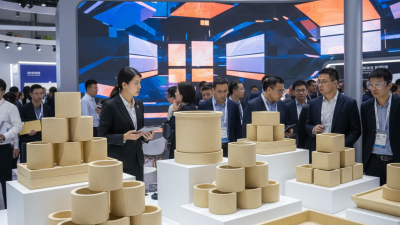
Tips for buyers: Look for certifications that verify sustainable practices. Research manufacturers' sourcing and production processes. Attend industry expos to see innovations firsthand. Seek feedback from experts on kiln efficiency. Thoughtful choices can lead to improved longevity of your kiln furniture and better environmental outcomes.