Top 5 Best Porous Alumina Ceramics for Advanced Applications?
The rapidly evolving field of Porous Alumina Ceramics has drawn significant attention in advanced applications such as catalysis and filtration. According to a recent report by Grand View Research, the global market for porous ceramics is expected to reach USD 9 billion by 2027, reflecting a compound annual growth rate (CAGR) of 10.5%. These materials are recognized for their excellent thermal stability and unique porosity, ideal for various sectors, including aerospace and environmental engineering.
Dr. Emily Chen, a leading expert in ceramic materials, states, "The versatility of Porous Alumina Ceramics will redefine many industrial processes." This sentiment highlights the material's potential. However, challenges remain. The production costs and consistency of properties can be unpredictable, which may hinder widespread adoption. Proper understanding and control during fabrication processes are essential for achieving high quality.
Despite the hype, not all porous alumina products perform equally. Variability in porous structure and composition can profoundly affect their application effectiveness. A careful evaluation of available options is critical for industries looking to utilize these materials. As the research progresses, refining methods and enhancing the characteristics of Porous Alumina Ceramics may unlock new possibilities in technology and innovation.
Top Characteristics of Porous Alumina Ceramics
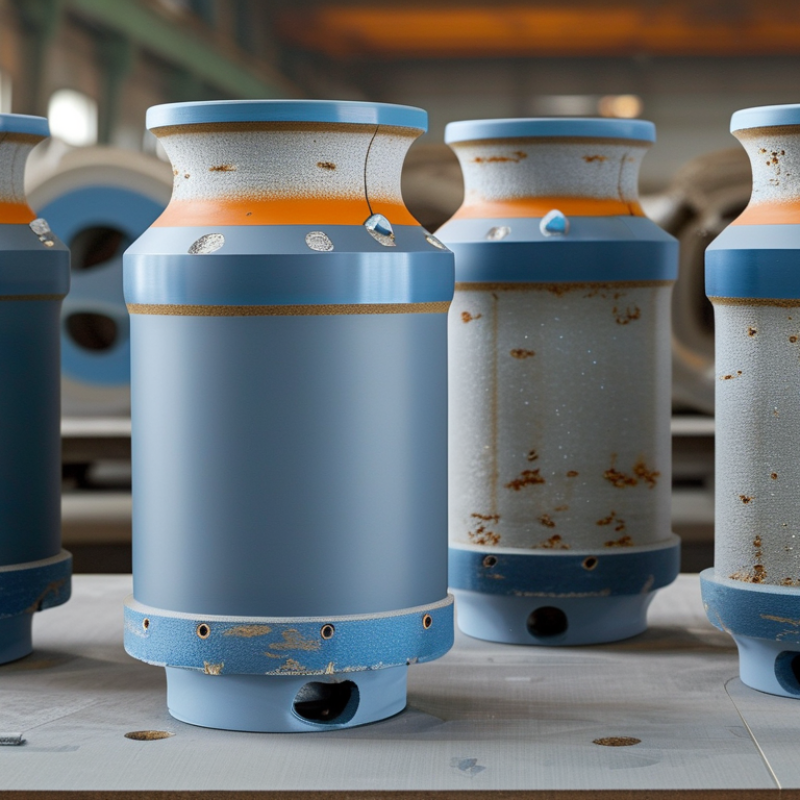
Porous alumina ceramics have gained prominence in advanced applications due to their exceptional characteristics. These materials feature a high porosity range, typically between 20% and 80%. Such porosity allows for enhanced fluid transport, making them ideal for filtration systems. Their permeability is a key factor in applications requiring air or liquid passage.
The mechanical strength of porous alumina ceramics is noteworthy. Reports indicate these materials can withstand compressive strengths up to 200 MPa. This durability makes them suitable for structural applications. Additionally, they exhibit excellent thermal stability, withstanding temperatures up to 1600°C. This property is particularly beneficial in high-temperature environments.
However, there are challenges to consider. The manufacturing process can lead to variability in pore size and distribution. This inconsistency can affect performance in critical applications. Furthermore, the brittleness of these ceramics may limit their use in dynamic environments. Ongoing research aims to address these issues, enhancing the reliability and functionality of porous alumina ceramics in diverse fields.
Applications of Porous Alumina Ceramics in Advanced Industries
Porous alumina ceramics are increasingly important across various advanced industries. Their unique properties make them suitable for applications in filtration, biomedical devices, and catalysis. For example, in the filtration sector, these ceramics exhibit high corrosion resistance and thermal stability, making them ideal for harsh environments. According to a recent market report, the global porous ceramic market is expected to reach $6.9 billion by 2026, reflecting a growing demand for efficient filtration solutions.
In biomedical applications, porous alumina is used in bone grafting and tissue engineering. Its biocompatibility allows for effective cellular integration, which is critical for patient recovery. A study indicates that porous ceramics can enhance bone regeneration by providing scaffolding that supports new tissue growth. However, the mechanical properties of these materials often need to be improved for load-bearing applications. This poses a challenge for researchers aiming to optimize their performance under stress.
The catalytic industry also benefits from porous alumina ceramics. Their large surface area and porosity facilitate chemical reactions. Reports suggest that catalysts made from these materials can significantly improve reaction rates and efficiency. Yet, achieving the right balance between porosity and strength remains a critical area for ongoing research. Overall, while the applications of porous alumina ceramics are promising, continuous innovation is essential for addressing current limitations.
Comparative Analysis of Leading Porous Alumina Ceramic Brands
When evaluating porous alumina ceramics, key characteristics become paramount. These materials are crucial in applications like filtration, thermal insulation, and catalysts. Recent industry reports indicate that alumina ceramics possess high strength, durability, and impressive thermal stability. Their pore structure can vary significantly, which affects performance. Understanding these variations is essential for selecting the right product.
The market showcases various options, each with unique attributes. Some focus on high porosity for better filtration. Others emphasize strength for structural support. Recent research showed that optimal pore size can enhance fluid flow rates. Yet, achieving a balance between strength and porosity remains a challenge.
There are also concerns about the consistency of quality across brands. Variations in manufacturing processes can lead to significant differences in performance. Industry experts highlight the importance of thorough testing to validate material properties. While some ceramics excel in specific applications, they may fall short in others. Thus, ongoing assessment and reflection are vital for users in advanced applications.
Factors Influencing the Performance of Porous Alumina Ceramics
Porous alumina ceramics have diverse applications across many industries. Their performance relies heavily on several factors. Understanding these can significantly enhance their effectiveness in advanced uses.
The microstructure of porous alumina is critical. Different porosities can alter strength, thermal stability, and other properties. Higher porosity often leads to lower density but might reduce mechanical strength. Achieving the ideal balance can be challenging, as too much porosity may compromise durability.
Manufacturing processes also play a vital role. The sintering temperature and time can influence the final properties. Improper sintering may lead to defects, affecting performance. Be aware that each application may require specific adjustments in the manufacturing phase.
**Tip**: Regularly testing samples during production can help catch potential issues early.
Additionally, surface treatments can enhance functionality. Modifying the ceramic's outer layer can improve resistance to wear and enhance adhesion properties. However, not all treatments work well with every type of alumina, so experimenting is necessary.
**Tip**: Conducting thorough research on surface treatment compatibility can save time and resources.
A thoughtful approach to these influencing factors can lead to more reliable and efficient porous alumina ceramics. It’s essential to continually assess and refine processes for optimal results.
Future Trends in the Development of Porous Alumina Ceramics
The development of porous alumina ceramics is progressing rapidly. These materials are gaining attention in various fields, including filtration, biomedical applications, and catalyst supports. The trend indicates a move towards enhancing the porosity and mechanical strength of these ceramics. Researchers are exploring innovations to achieve better performance and sustainability.
In the future, we can expect advances in the synthesis methods of porous alumina ceramics. Techniques like additive manufacturing may redefine production processes. This could lead to more complex structures and tailored properties for specific applications, such as high-temperature environments.
Tips: Consider the stability of the porous structure when selecting materials. Lower porosity may offer better mechanical strength. Also, keep in mind the impact of manufacturing methods on the final product's performance. Assessing these factors holistically can lead to better decision-making in advanced applications.
The market is becoming more competitive, which poses challenges. Balancing cost and performance is a significant concern for manufacturers. Continuous research is essential to identify new formulations that can meet rising demands. Engaging in collaborations with experts may hasten the development of innovative solutions.
Top 5 Best Porous Alumina Ceramics for Advanced Applications
| Material Type |
Porosity (%) |
Compressive Strength (MPa) |
Thermal Conductivity (W/m·K) |
Typical Applications |
| High-Porosity Alumina |
60-80 |
80-120 |
20-25 |
Filtration, Catalysts |
| Alumina Foam |
75-90 |
50-100 |
15-20 |
Thermal Insulation, Sound Absorption |
| Porous Alumina with SiC |
40-60 |
100-150 |
30-35 |
Structural Components |
| Ceramic Honeycomb |
70-85 |
60-90 |
10-15 |
Catalytic Converters, Heat Exchangers |
| Biocompatible Alumina |
30-50 |
80-110 |
25-30 |
Biomedical Applications |