What is Ceramic Saggar and How is it Used in Art?
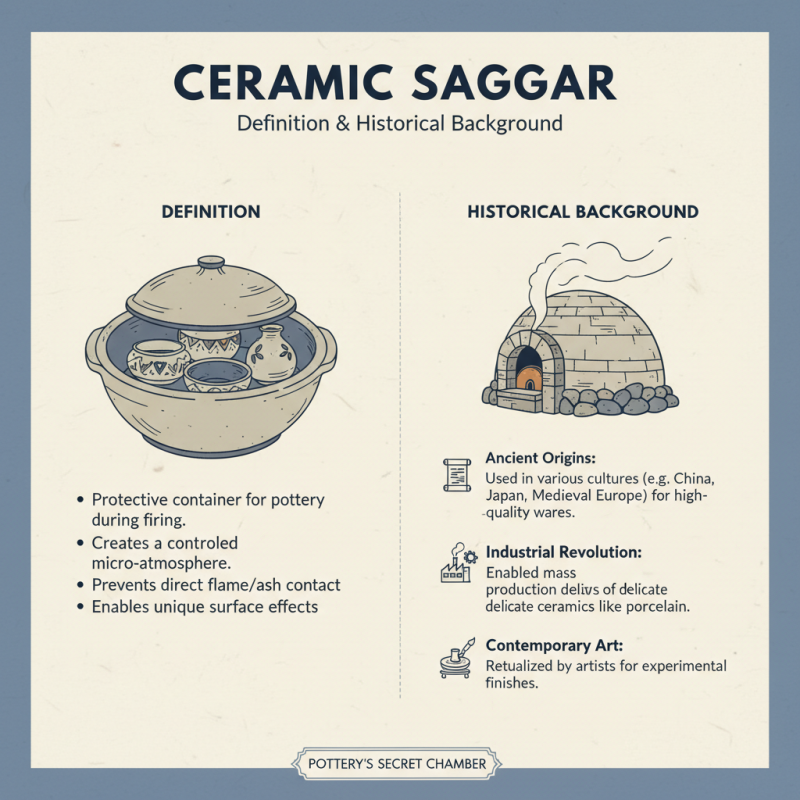
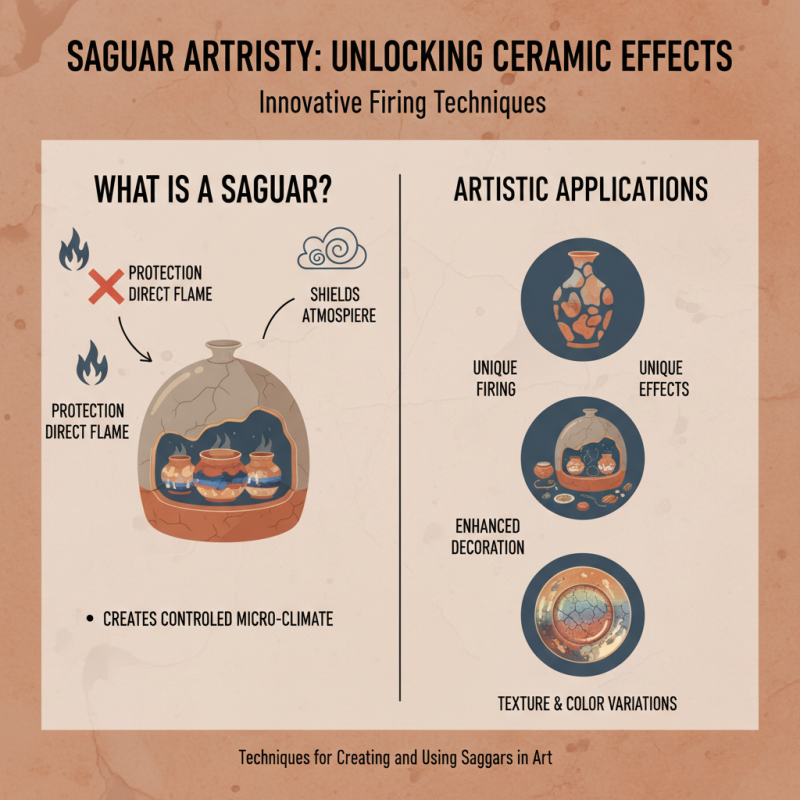
The world of ceramics is rich and diverse, with techniques evolving over centuries. Among these, the Ceramic Saggar stands out as a unique tool in the firing process. A saggar is a protective container used during the firing of pottery. It helps to shield pieces from harmful elements in the kiln atmosphere.
According to a recent industry report, the ceramics market is projected to reach $130 billion by 2025, with artistic ceramics playing a significant role. Artists utilize saggars to create distinctive effects on the surface of the clay. The usage of a Ceramic Saggar allows for experimentation, leading to various textures and colors that enhance the artistic appeal. This versatility has made it a staple for ceramicists and potters.
However, many artists still struggle with mastering this technique. Achieving the desired results requires patience and careful monitoring. Variations in temperature and materials can lead to unpredictable outcomes. Such challenges remind artists of the importance of practice and reflection in their creative journeys.
Definition and Historical Background of Ceramic Saggar
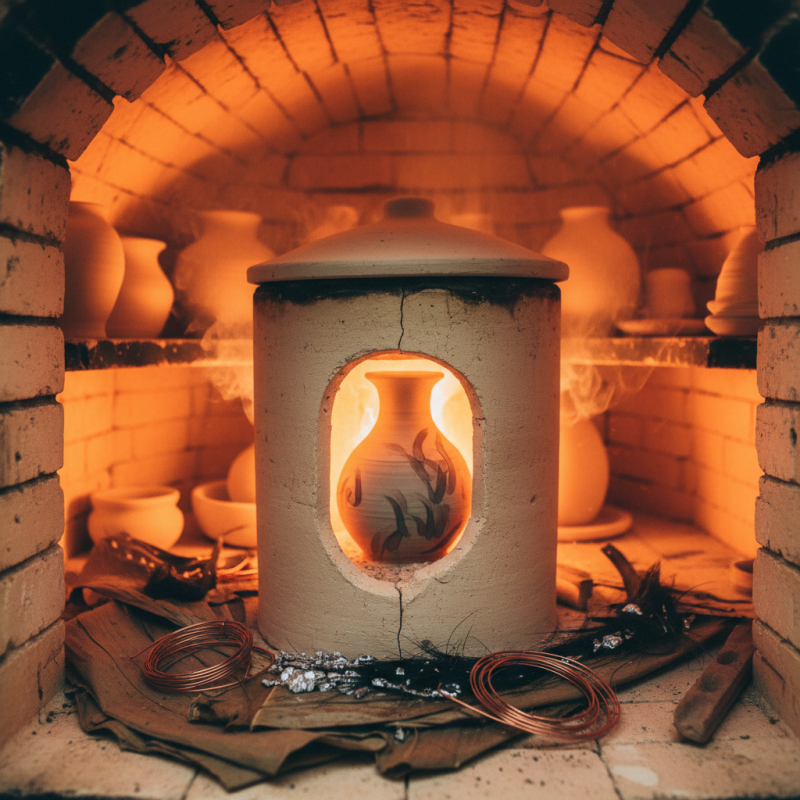
Ceramic saggar is a fascinating tool in the realm of pottery. Its primary purpose is to create a protective environment for ceramic pieces during firing. Traditionally, saggar firing involves placing pottery within a tightly sealed container. This method alters the atmosphere during the firing process. It allows for unique surface effects that would be impossible in conventional firing methods.
Historically, saggars date back centuries. Potters throughout different cultures employed them to protect their work. They often used materials like clay or metal to construct the saggars. Even today, artists explore the boundaries of this ancient technique. They adapt and innovate, using various combustible materials to achieve distinctive finishes. This ongoing evolution challenges traditional understandings of ceramic art. Artists continually reflect on their processes, often discovering unexpected results. Each firing can yield unique surprises, prompting a constant dialogue about technique and intention.
Materials Used in the Construction of Ceramic Saggars
Ceramic saggars are protective containers used during the firing of pottery. The materials used for constructing saggars play a crucial role in their effectiveness. Typically, saggars are made from clay, which can withstand high temperatures and thermal shock. Clay that is finely grogged or contains specific minerals is preferred, as it enhances strength and durability.
According to a market report by Research and Markets, the global ceramics market is projected to grow by over 5% annually, underscoring the importance of quality materials in art.
Another common material is alumina, known for its high melting point. Artists often incorporate silica to improve the saggar's ability to form vapor barriers during firing. These materials prevent unwanted reactions between glazes and the kiln atmosphere. In pottery art, the right composition can significantly affect the final visual outcome. However, sourcing the ideal clay and minerals can be challenging, with variations affecting results unpredictably.
Testing different combinations remains a vital part of the artistic process.
Understanding different firing atmospheres adds another layer of complexity. Some artists opt for a reduction atmosphere, while others choose an oxidation setting. Each environment demands different materials to create the desired effects. This nuanced knowledge reflects the complexity of creating effective saggars. Despite years of practice, the journey of experimentation often reveals imperfections. Such challenges remind artists of the dynamic nature of ceramics and the need for continual learning.
Techniques for Creating and Using Saggars in Art
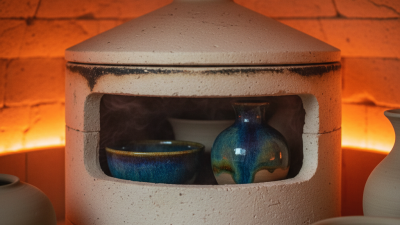
Ceramic saggars are containers used in pottery to create unique firing effects. They protect the pieces inside from direct flame and atmospheric conditions. Artists have found innovative ways to use saggars, enhancing the beauty of their work.
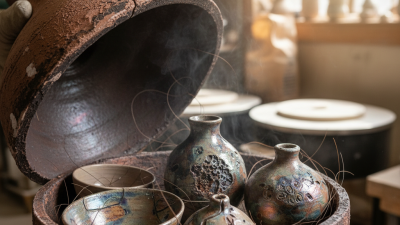
One technique involves layering materials inside the saggar. For instance, using salt, wood shavings, or sawdust can create vibrant surface patterns. As these materials burn during firing, they interact with the clay, forming unexpected colors. Experimenting with different combinations can lead to stunning results.
Tips: Keep a journal of your techniques and results. Not every firing will produce ideal outcomes. Take notes on what worked and what didn’t. Learning from these experiences is vital. It can guide your future creations.
Another method is the use of slips or glazes before firing. Thin applications can yield subtle effects. Consider how each element in your saggar might react. The possibilities are endless, but they require patience and practice. Reflect on your outcomes and adapt your methods as needed.
Common Applications of Ceramic Saggars in Pottery and Sculpture
Ceramic saggars are essential tools in pottery and sculpture. These containers protect clay pieces during the firing process. A saggar shields the artwork from direct flames and unwanted effects of the kiln atmosphere. Made from various materials, including clay and grog, saggars can endure high temperatures.
Artists often employ saggars for unique effects. For example, adding sawdust or salt to a saggar can create stunning surface textures. This method allows artists to experiment with colors and finishes. However, using saggars comes with challenges. Not every experiment leads to successful outcomes. Sometimes, the results can be unpredictable, pushing artists to rethink their approaches.
In sculpture, saggars can define a piece's character. They can influence how the final work interacts with light and shadow. Artists should understand their materials and the firing process. This knowledge enhances their use of saggars. Reflection on each firing session can lead to new insights and improved practices. Saggars are a gateway to creativity, but they also require patience and willingness to learn from failures.
Common Applications of Ceramic Saggars in Art
This chart illustrates the various applications of ceramic saggars in artistic practices such as pottery and sculpture. The most common application is in functional pottery, followed by sculptures and decorative pieces.
Variations and Innovations in Saggar Design and Usage
Ceramic saggars are versatile tools in the world of pottery. They protect ceramics during firing, creating unique surface effects. Recently, artists have innovated designs to push boundaries. According to a 2021 report by the Craft Council, 58% of ceramic artists have experimented with saggar techniques. The styles range from traditional clay saggars to modern metallic compositions, revealing diverse aesthetic possibilities.
Innovations include the use of organic materials within saggars. This can lead to unexpected results. For instance, incorporating leaves or wood can infuse pieces with rich colors and textures. The unpredictability of these methods reflects the evolving nature of ceramic art. Artists have begun documenting their processes, highlighting variations in outcomes, as 45% express a desire for more experimental approaches.
The intersection of saggar design and artistic expression continues to evolve. Many artists reflect on their practices, recognizing the balance between intent and chance. As ceramic techniques advance, the dialogue around saggar use deepens, keeping the art form vibrant and dynamic.