China Top Corundum Mullite Plate for Global Procurement Needs?
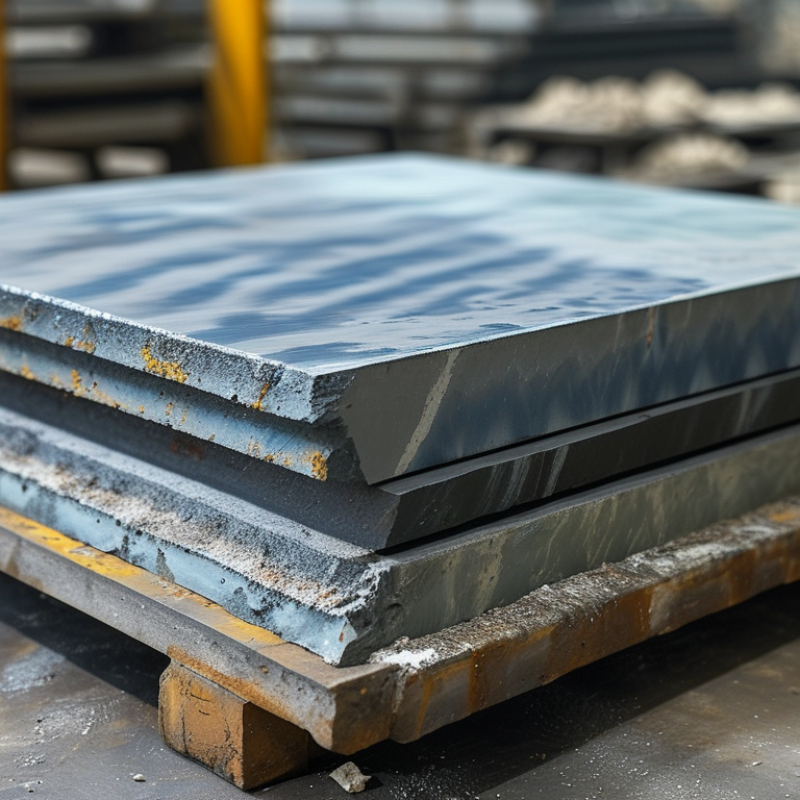
The demand for high-quality materials in various industries is surging. Among these materials, the Corundum Mullite Plate stands out for its exceptional properties. Made from a unique blend of corundum and mullite, this plate offers outstanding thermal stability and mechanical strength.
China has become a leading supplier of Corundum Mullite Plates, catering to global procurement needs. These plates are increasingly favored in sectors such as ceramics, metallurgy, and aerospace due to their reliability. However, potential buyers must ensure they understand the specifications and properties of these materials.
Quality assurance and ethical sourcing play critical roles in the procurement process. Buyers should consider certifications and vendor reliability to avoid issues associated with substandard products. Understanding regional differences in production can further enhance decision-making.
Overview of Corundum Mullite Plates and Their Applications
Corundum mullite plates are increasingly recognized for their superior performance in various industries. These materials combine alumina and silica, resulting in excellent thermal stability and mechanical strength. Their unique properties make them ideal for high-temperature applications, such as furnace linings and kilns.
In the manufacturing sector, corundum mullite plates offer significant advantages. They resist thermal shock, making them suitable for processes that involve rapid temperature changes. This durability also enhances their lifespan, leading to reduced operational costs over time. However, understanding the precise requirements of each application is crucial. Not every grade of corundum mullite will perform equally well.
While many companies show interest, sourcing these plates can be complex. Manufacturers must ensure they meet stringent quality standards. Additionally, variations in global supply chains can affect availability. A careful assessment of supplier reliability is essential. Industry players need to remain vigilant and adapt to changing market dynamics.
Key Properties and Benefits of China’s Corundum Mullite Plates
Corundum mullite plates from China are gaining attention for their exceptional properties. These materials are highly valued in various industries for their heat resistance and mechanical strength. According to market research, the global demand for advanced ceramics, including corundum mullite, is expected to increase by 5% annually. This growth stems from the expanding use of these plates in high-temperature applications.
The unique composition of corundum mullite results in outstanding thermal stability. Typical densities are around 2.9 g/cm³, with a high melting point exceeding 1800°C. Such characteristics make these plates vital for furnace linings and aerospace applications. Additionally, they exhibit low thermal expansion, reducing the risk of thermal shock. However, challenges remain in sourcing high-quality products consistently.
The environmental impact of manufacturing also invites scrutiny. While many producers follow strict guidelines, emissions during production can be an issue. Innovations in manufacturing processes are essential to address these concerns. Ultimately, balancing quality, sustainability, and cost will define the future of corundum mullite plate production in China.
Global Market Demand for Corundum Mullite Plates
The global market for corundum mullite plates is on the rise, driven by the increasing demand for high-performance materials in industries like ceramics and refractories. According to a recent industry report, the global corundum mullite market is projected to grow at a CAGR of approximately 5% from 2021 to 2026. This growth is fueled by advancements in technology and the push for sustainable materials.
Corundum mullite plates are valued for their excellent thermal stability and resistance to thermal shock. These properties make them ideal for high-temperature applications, such as kiln linings and industrial furnaces. Regions like Asia-Pacific, particularly China, are major producers due to their abundant raw materials and advanced manufacturing capabilities. However, supply chain challenges remain, as global procurement needs are often impacted by geopolitical tensions and logistical disruptions.
Consider the growing emphasis on sustainability. Manufacturers are investing in eco-friendly production methods. This shift is essential, as consumers increasingly favor green materials. A recent survey indicated that 70% of industrial buyers prioritize sustainability in their material choices. Therefore, it is crucial for potential buyers to seek suppliers who adhere to environmental regulations while maintaining high-quality standards.
Monitoring market trends is vital. Buyers should stay informed to make educated procurement decisions. This approach will help mitigate risks associated with supply fluctuations. Be sure to evaluate potential suppliers rigorously, focusing on their experience and reliability in delivering quality products.
Global Market Demand for Corundum Mullite Plates
Challenges in Sourcing Corundum Mullite Plates from China
Sourcing corundum mullite plates from China can present unique challenges. The demand for high-quality materials is rising globally. However, navigating the procurement process can be complex. Many buyers may face issues with quality assurance and consistency.
Communication barriers can hinder effective sourcing. Language differences can lead to misunderstandings regarding specifications and delivery times. Buyers should seek local partners who understand the material specifications. This can bridge the gap between expectation and reality. It’s crucial to establish clear, written agreements.
Evaluate potential suppliers carefully. Look for manufacturers with proven experience in producing corundum mullite plates. Request samples to assess the quality before making large orders. Delivery delays are common, so factor in extra time for international shipping. Even well-established suppliers may have unexpected issues.
Consider visiting suppliers for in-person assessments. Building relationships can foster better communication and trust, which is vital for long-term partnerships. A thorough understanding of logistics and regional regulations also helps avoid complications. Relying solely on price can be misleading; focus on value and reliability instead.
China Top Corundum Mullite Plate for Global Procurement Needs
| Dimension (mm) |
Density (g/cm³) |
Thermal Conductivity (W/m·K) |
Max Operating Temperature (°C) |
Application Areas |
| 300 x 300 |
3.0 |
5.0 |
1600 |
Kiln linings, Thermal insulation |
| 400 x 400 |
3.1 |
4.8 |
1650 |
Refractory applications, Foundries |
| 500 x 500 |
3.2 |
5.2 |
1700 |
Cement industry, Glass melting |
| 600 x 600 |
3.3 |
5.5 |
1750 |
Iron and steel, Petrochemical |
Future Trends in Corundum Mullite Plate Procurement
Corundum mullite plates are gaining attention in global markets. Their unique properties make them suitable for high-temperature applications. As industries evolve, the demand for these plates is expected to rise. However, procurement challenges exist. Companies often face issues in sourcing reliable suppliers. Mismatched product specifications can lead to increased costs.
Future trends indicate a shift toward more sustainable sourcing practices. Manufacturers are focusing on reducing the environmental impact of production. Innovations in material science might lead to enhanced performance characteristics. This presents an opportunity for companies to improve their procurement strategies. However, navigating these changes requires careful planning.
Reliability remains a crucial aspect of procurement in this sector. Businesses must establish strong relationships with suppliers. Transparency in the supply chain can help mitigate risks. Additionally, understanding market dynamics is essential. The continued evolution of corundum mullite plates will demand adaptability from procurement teams. As they explore new avenues, reflecting on past strategies can yield significant insights. Only through ongoing evaluation can companies thrive in a competitive landscape.