How to Choose the Best Cordierite Mullite Plate for Your Needs?
Choosing the right Cordierite Mullite Plate is crucial for industrial applications. This material is renowned for its thermal stability and mechanical strength, making it a preferred choice in high-temperature environments. According to a report by the Advanced Materials Institute, the global demand for high-performance ceramics, including Cordierite Mullite Plates, is projected to grow by 8% annually through 2025.
Experts emphasize the importance of selecting suitable specifications. Dr. Emily Chen, a leading authority in ceramic materials, states, “Understanding your operational requirements is key to maximizing the advantages of Cordierite Mullite Plates.” Her insight reflects the need for careful consideration of factors like thermal shock resistance and dimensional consistency.
However, not every Cordierite Mullite Plate on the market meets high standards. Some manufacturers may compromise on quality for cost savings. It is essential to evaluate suppliers based on their credibility and customer reviews. Remember, a well-informed decision can lead to improved efficiency in your operations, while a hasty choice can result in performance issues.
Understanding Cordierite Mullite Plates and Their Properties
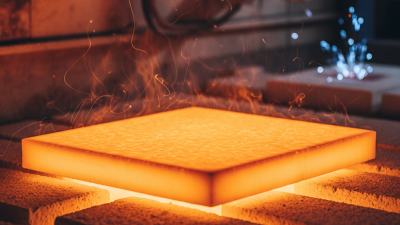
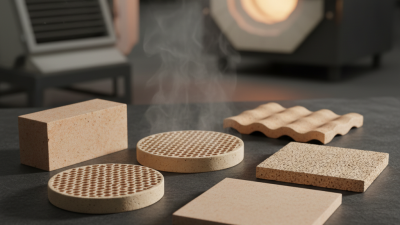
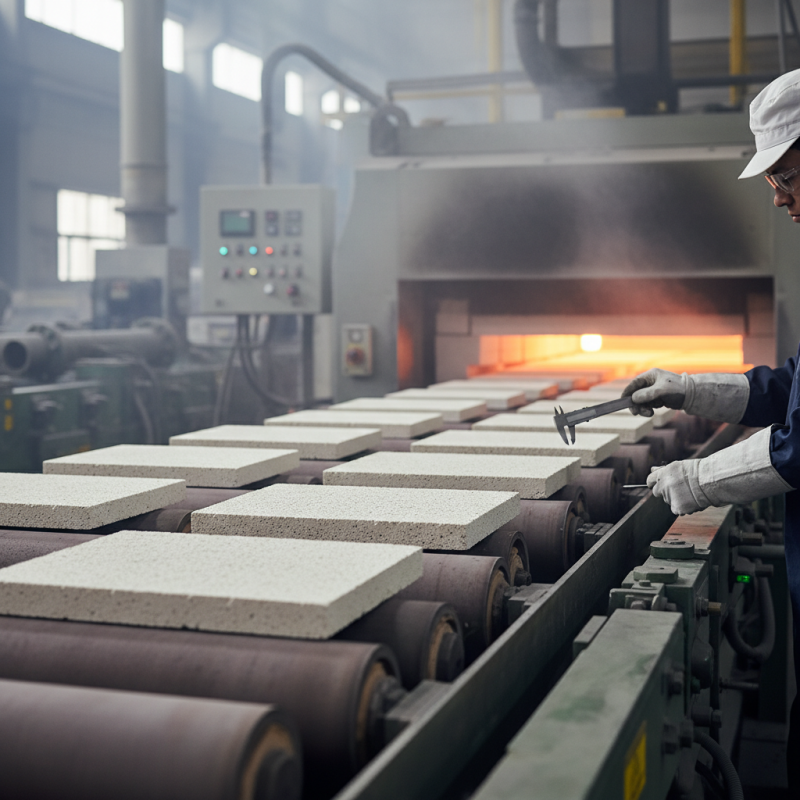
Cordierite mullite plates are crucial components in various high-temperature applications. They possess unique thermal and mechanical properties. The combination of cordierite and mullite creates a material that is lightweight and highly resistant to thermal shock. According to recent industry reports, these plates can withstand temperatures above 1,500°C, making them ideal for kilns and furnaces.
One key attribute of cordierite mullite plates is their excellent thermal conductivity. This property ensures even heat distribution, minimizing hotspots and reducing the risk of material failure. Industry data suggests that these plates exhibit a thermal expansion coefficient as low as 1.5 x 10^-6/°C. This low expansion rate means they maintain dimensional stability under extreme conditions, which is a critical factor in applications like ceramics and glass production.
However, selecting the right cordierite mullite plate can be challenging. Not all plates are created equal, and variations in composition can lead to different performance levels. Potential users should consider the intended application, required plate thickness, and specific temperature tolerance. Consulting with experts in materials science is often necessary. Relying solely on vendor specifications may not provide a complete picture of expected performance. Understanding these nuances can lead to better decision-making.
Understanding Cordierite Mullite Plates: Key Properties Comparison
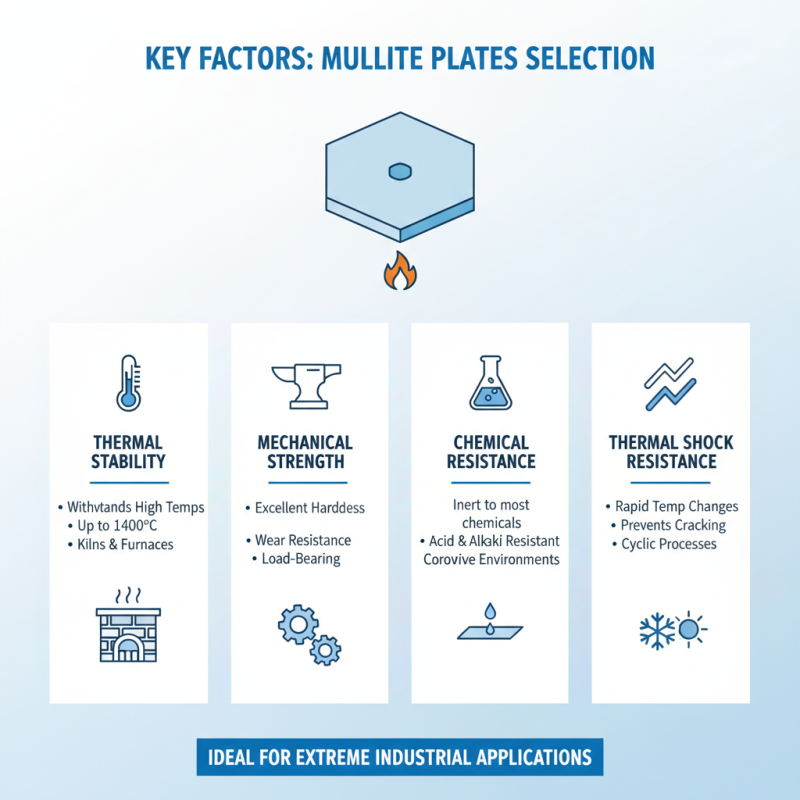
Key Factors Influencing the Selection of Mullite Plates for Applications
Choosing the right cordierite mullite plate involves understanding several critical factors. One significant consideration is thermal stability. Mullite plates can withstand high temperatures, which is vital in applications like kilns and furnaces. Research indicates that these plates maintain integrity up to 1400°C. This impressive thermal resistance makes them suitable for various industrial applications.
Another factor is mechanical strength. Mullite plates provide good load-bearing capabilities, which can be essential in high-pressure environments. According to industry reports, the flexural strength of well-manufactured mullite can reach up to 30 MPa. However, imperfections during the production process may lead to variability in strength. It’s crucial to source these plates from reputable suppliers who adhere to rigorous quality standards.
Additionally, thermal conductivity should not be overlooked. Mullite is known for its low thermal conductivity, reducing heat loss. This property enhances energy efficiency, particularly in thermal insulation applications. Yet, the specific conductivity can differ based on the composition and manufacturing methods. Careful evaluation of these properties can ensure that the selected plate aligns with operational requirements and cost-effectiveness.
Comparing Thermal Stability and Mechanical Strength of Mullite Variants
When selecting a cordierite mullite plate, the thermal stability and mechanical strength of the variants play a crucial role.
Thermal stability refers to the plate's ability to withstand extreme temperatures. Mullite variants offer differing levels of thermal resistance, which can affect their performance in high-heat applications.
Higher thermal stability usually means less deformation and longer service life under heat stress.
Mechanical strength is equally important. It impacts how well the plate can handle stress without breaking.
Cordierite mullite plates can vary significantly in toughness and density. A denser plate generally provides better mechanical strength but may sacrifice some thermal performance.
This trade-off requires careful consideration based on your specific application needs.
Tips for choosing the right plate: consider both the maximum temperature and the type of stress the plate will face. If possible,
review technical specifications to compare different mullite variants. Testing small samples before committing to a larger order can also be beneficial.
Be open to adjusting your selection based on actual performance and feedback. Evaluate ongoing costs against initial investments to ensure you're making the best choice for both short-term and long-term use.
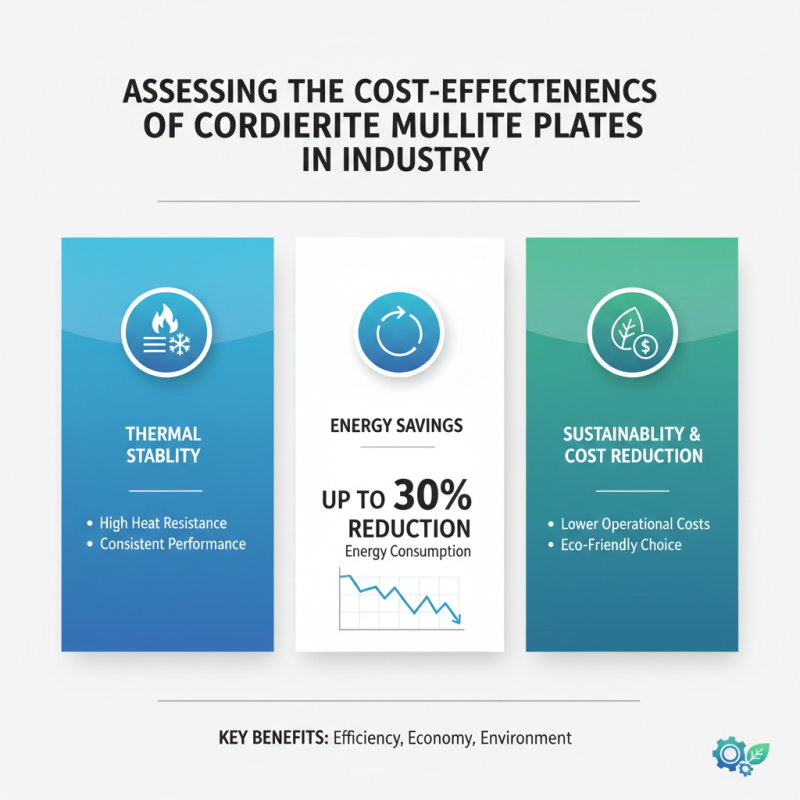
Assessing the Cost-Effectiveness of Cordierite Mullite Plates in Industry
When assessing the cost-effectiveness of cordierite mullite plates in industry, several factors come into play. Recent reports suggest that these plates, known for their thermal stability, offer significant savings on energy costs. In a manufacturing setting, switching to high-quality cordierite mullite can reduce energy consumption by up to 30%. This is essential for industries focused on sustainability and cost reduction.
Moreover, the thermal shock resistance of cordierite mullite plates contributes to longevity. They can withstand rapid temperature changes without cracking. In fact, studies have shown that these materials can last 50% longer compared to standard ceramic plates under similar conditions. This durability translates to fewer replacements and lower overall maintenance expenses.
However, buyers must carefully evaluate their specific needs. While initial costs may be higher, the long-term benefits may outweigh these upfront expenses. It's important to balance performance with budget constraints. Not every application will require the high specifications of cordierite mullite. Some industries might not need the premium performance that justifies the cost. A thorough analysis could reveal potential cost savings while avoiding overspending on materials that exceed functional requirements.
Applications and Enhancements in Performance of Cordierite Mullite Plates
Cordierite mullite plates are increasingly popular in various industries. They are known for excellent thermal stability and resistance to thermal shock. This makes them suitable for applications such as kiln furniture, heat exchangers, and substrate material in electronics. The ability to withstand high temperatures without degrading enhances their value significantly.
When selecting the right cordierite mullite plate, consider factors like thermal conductivity, size, and shape. Each application may require a specific plate configuration to optimize performance. In some cases, standard plates might not fit perfectly. Customization can yield better results, though it might increase costs.
Performance can also be influenced by the plate's manufacturing process. Quality control is crucial here, as inconsistencies can lead to unexpected failures. While most suppliers adhere to strict standards, it’s essential to verify their reliability. Reflecting on your specific needs will guide you toward the best choice. Not every plate will suit every application, leading to trial and error in the selection process.
How to Choose the Best Cordierite Mullite Plate for Your Needs?
| Dimension |
Common Applications |
Temperature Resistance (°C) |
Thermal Conductivity (W/m·K) |
Benefits |
| 300 x 300 x 20 mm |
Kiln furniture, furnace linings |
1200 |
4.4 |
High thermal stability, low thermal expansion |
| 400 x 400 x 25 mm |
Ceramic heating elements |
1250 |
3.5 |
Durability under high load, thermal shock resistant |
| 500 x 500 x 30 mm |
Refractory applications, combustion chambers |
1300 |
5.0 |
Excellent mechanical strength, low thermal conductivity |