Why Choose Cordierite Mullite Sagger for Your Kiln Needs?
Choosing the right materials for kiln applications is crucial. Cordierite Mullite Sagger stands out in this regard. According to industry expert Dr. Emily Chen, "Cordierite Mullite Saggers are essential for ensuring consistent kiln performance."
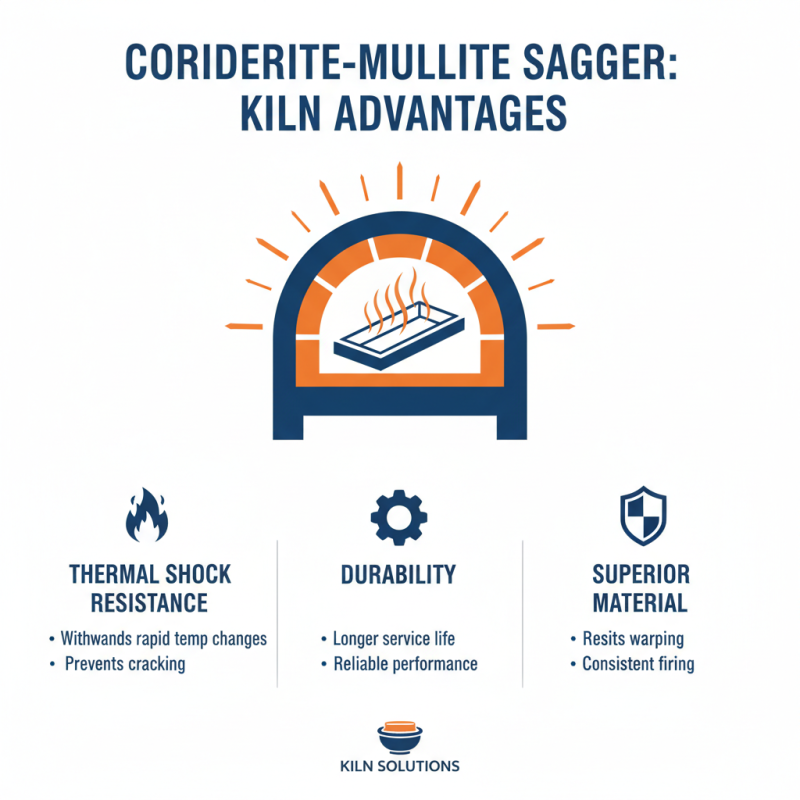
These saggers boast remarkable thermal shock resistance. They can handle extreme temperatures, making them ideal for various firing processes. The unique composition of Cordierite and Mullite ensures durability under stress. Many users find that their lifespan exceeds that of other materials. Yet, not every application benefits equally from this option.
Potential drawbacks exist. For example, some manufacturers report higher initial costs. Others note that specific designs may not meet unique kiln requirements. Therefore, careful evaluation is needed. We must weigh both the benefits and limitations of Cordierite Mullite Saggers. This balanced approach is vital for optimal kiln performance.
Overview of Cordierite Mullite Saggers
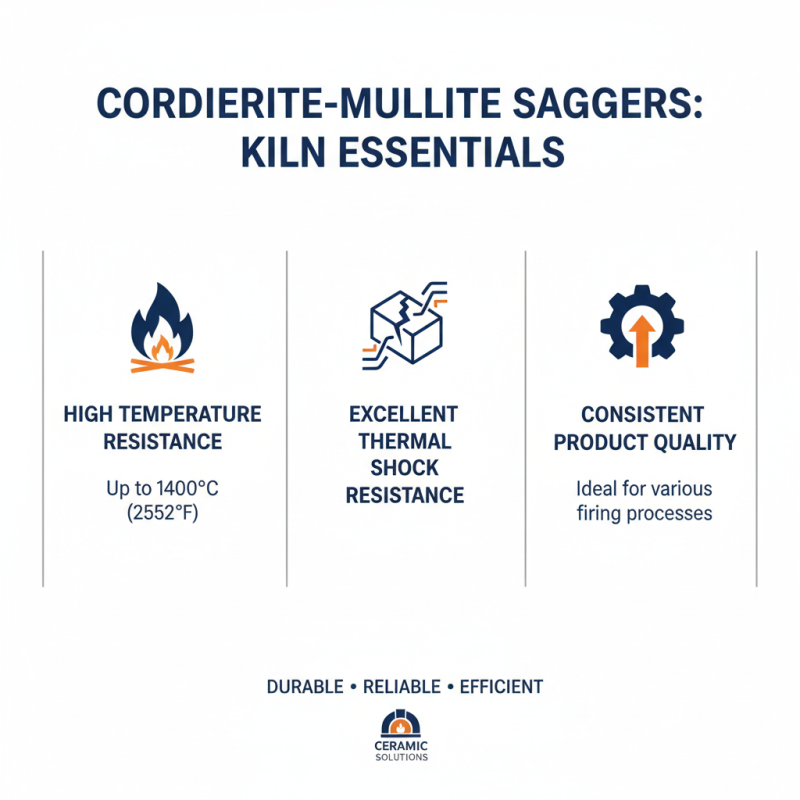
Cordierite mullite saggers are essential in kiln operations. They are designed to withstand high temperatures while providing excellent thermal shock resistance. These properties make them ideal for a variety of firing processes. According to industry reports, products made from cordierite can endure temperatures above 1400°C (2552°F) without significant deformation. This capability ensures consistent quality in the final product.
When constructing a kiln, it’s crucial to choose the right materials. Cordierite mullite saggers offer superior dimensional stability. This can prevent warping, which is often a common issue in high-heat environments. Keep in mind the importance of regular inspections. Monitor for signs of wear and tear to maintain performance.
Tips: Always consider load distribution in your kiln. Uneven loads can lead to sagging or cracking. Evaluate your kiln's temperature distribution regularly. This can help optimize the lifespan of the saggers used. Choosing the right design can significantly alleviate some operational challenges.
Key Properties of Cordierite Mullite for Kiln Applications
Cordierite mullite sagger is an excellent choice for kiln applications due to its unique properties. This material boasts remarkable thermal shock resistance. The ability to withstand sudden temperature changes is crucial in high-heat environments. Over time, some users have reported cracking issues with alternative materials. This indicates that not all kiln refractories perform equally well.
Another key property is its low thermal expansion. Cordierite mullite minimizes warping and deformation, ensuring items maintain their shape during firing. It retains its strength even under extreme heat. However, achieving the perfect balance between thermal shock resistance and durability requires careful consideration. Some kilns may not fully utilize these advantages, leading to unexpected failures.
The lightweight nature of cordierite mullite also contributes to efficiency. Lower weight means easier handling and installation. Still, some manufacturers may overlook packaging techniques, leading to potential damage during transit. Users should pay attention to proper storage and handling as the material can be sensitive. Overall, cordierite mullite offers significant benefits, but awareness of potential challenges is essential for optimal performance.
Benefits of Using Cordierite Mullite Saggers in High-Temperature Settings
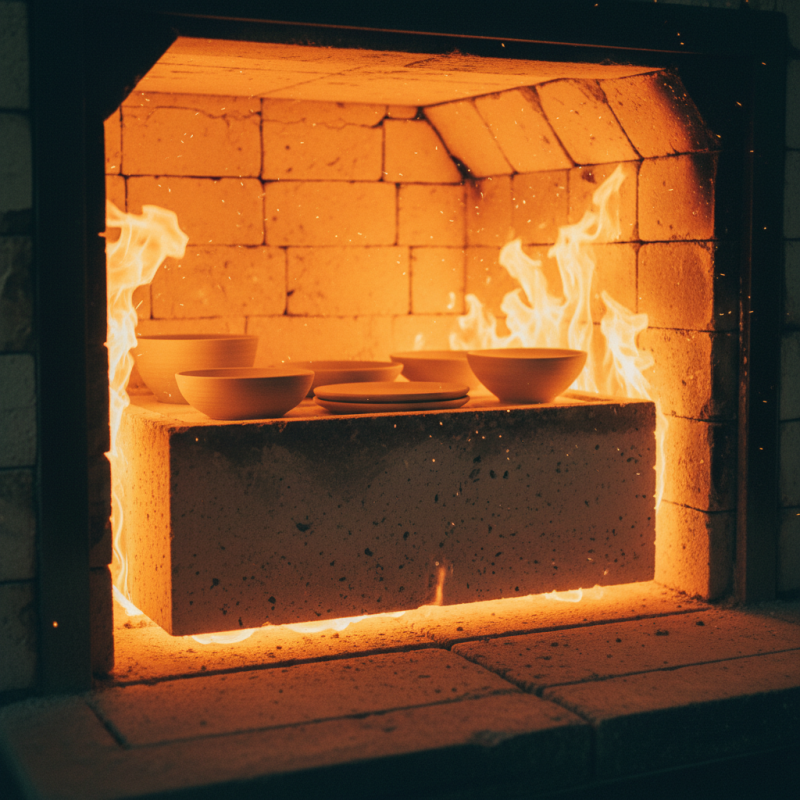
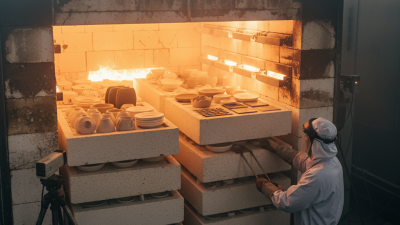
Cordierite mullite saggers are essential in high-temperature ceramics. These saggers withstand extreme heat, making them ideal for kilns. They maintain structural integrity even at elevated temperatures. This durability ensures consistent results in the firing process.
One notable benefit of cordierite mullite saggers is their thermal shock resistance. They can handle rapid temperature changes without cracking. This quality minimizes production losses, but it requires careful handling. Users often overlook the need for proper kiln environment. Improper conditions can lead to unexpected failures.
Furthermore, cordierite mullite saggers promote even heat distribution. This ensures an optimal firing atmosphere for ceramic pieces. However, some artisans may find that achieving perfect conditions takes practice. It’s a learning curve that demands attention to detail. In summary, these saggers offer unique advantages but also require thoughtful implementation.
Comparing Cordierite Mullite Saggers to Alternative Materials
Cordierite mullite saggers present numerous advantages in kiln operations. Their unique composition provides exceptional thermal stability. This makes them especially suitable for high-temperature applications. Other materials may not withstand extreme conditions as effectively. For instance, traditional clay saggers can warp or crack, leading to costly downtimes. In contrast, cordierite mullite maintains its structure, even under intense heat.
When comparing cordierite mullite to alternative materials, one must consider insulation properties. Cordierite's low thermal conductivity means better energy efficiency. It helps maintain consistent temperatures throughout the kiln. This aspect can significantly reduce fuel costs. However, one must be mindful of the initial investment. While cordierite mullite saggers may be pricier upfront, their long-term benefits often outweigh the drawbacks.
Interestingly, not every operation may benefit equally from cordierite materials. Some could overestimate their durability, leading to unexpected failures. Furthermore, meticulous handling is required during use and transportation. Potential miscalculations in weight can result in damage. Thus, understanding the specific requirements of your kiln is crucial when making decisions. Careful consideration prevents costly mistakes and maximizes production efficiency.
Comparison of Cordierite Mullite Saggers and Alternatives
This chart illustrates the thermal shock resistance of different sagger materials used in kilns, showcasing why Cordierite Mullite Saggers are often preferred for their superior performance.
Practical Tips for Selecting and Maintaining Cordierite Mullite Saggers
When selecting cordierite mullite saggers for your kiln, consider the specific requirements of your project. These saggers come in various sizes and shapes, allowing for versatility. For instance, you might need larger saggers for high-volume production. Proper sizing ensures balanced heat distribution. Inspect the saggers closely for any cracks or defects before use. These imperfections can hinder performance.
Maintenance is crucial for longevity. Clean your saggers regularly to remove any clinging residue from prior firings. This residual buildup can affect future results. It's also wise to check the saggers after each use. Look for structural integrity. If a sagger shows signs of wear, it may affect the quality of your ware. Consider establishing a routine inspection schedule to catch issues early.
Temperature control is another critical factor. Cordierite mullite saggers are designed for high thermal shock resistance. However, rapid temperature changes can still cause damage. Monitor the kiln’s temperature closely to avoid stress on the saggers. A slight oversight can lead to unanticipated failures. Always record your findings. This data helps refine your process over time. Use it to adapt your methods and improve outcomes.