Why Choose Porous Alumina Ceramics for Your Applications?
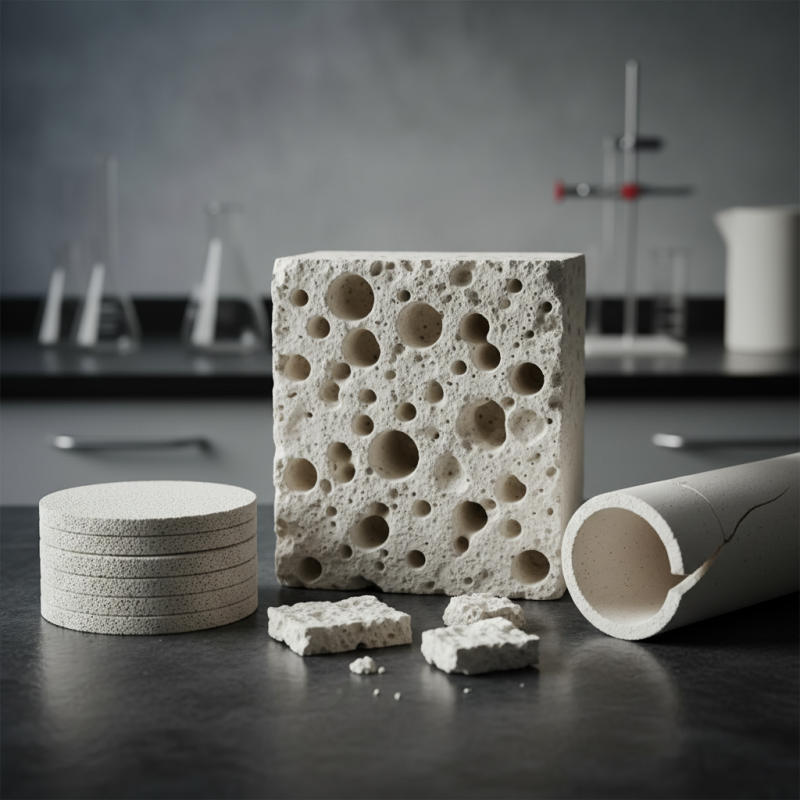
Porous Alumina Ceramics offer unique advantages for a variety of applications. Their lightweight and durable nature makes them ideal for industrial use. The ceramic's exceptional porosity allows for effective filtration and chemical resistance.
Engineered for specific needs, Porous Alumina Ceramics maintain structural integrity under extreme conditions. This makes them a preferred choice in environments needing thermal stability. Companies increasingly rely on these materials for reliable performance in demanding tasks.
While there are many benefits, it's important to consider potential limitations. Factors such as manufacturing cost and application suitability may influence decisions. As industries evolve, understanding these nuances ensures optimal application of Porous Alumina Ceramics.
Understanding Porous Alumina Ceramics: An Overview of Their Properties
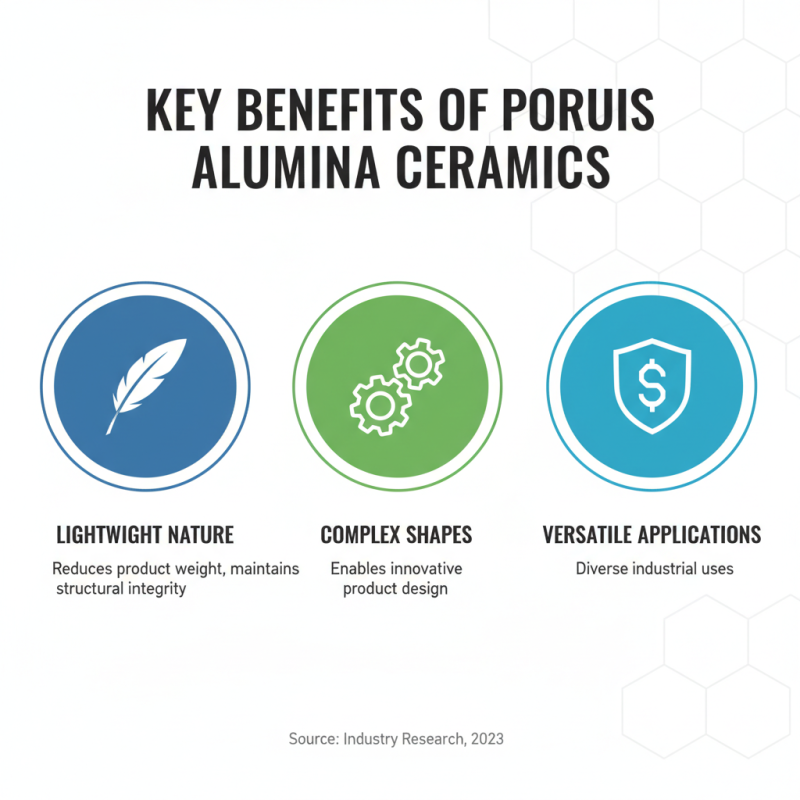
Porous alumina ceramics offer unique properties that make them suitable for various applications. Their lightweight nature and high surface area contribute to excellent filtration capabilities. This characteristic is particularly useful in industries such as environmental engineering and biomedical applications. The ability to trap particles efficiently is vital in these settings.
Another key property is the thermal stability of porous alumina ceramics. They withstand high temperatures without significant degradation. This makes them valuable in processes requiring heat resistance. Additionally, these materials are often chemically inert, which means they do not react with many substances. However, one must consider the limitations in mechanical strength. While they are suitable for specific applications, they may not replace denser ceramics in structural uses.
The porosity also introduces variability in the material. This can be both advantageous and challenging. The unpredictable nature of pore size and distribution can affect performance. Therefore, careful consideration of the application is required. Understanding these nuances helps in selecting the right material for specific needs. Balancing performance with inherent limitations is crucial in the decision-making process.
Comparative Analysis: Porous Alumina Ceramics vs. Other Materials
When comparing porous alumina ceramics to other materials, their unique properties stand out. These ceramics offer high thermal stability and excellent chemical resistance. This makes them suitable for various industrial applications. In contrast, many metals can corrode and degrade over time, especially in harsh environments. Porous alumina ceramics resist such issues effectively.
Another point of distinction is their lightweight nature. Many traditional materials, like stainless steel, can be heavy and cumbersome. This can complicate their use in applications where weight is a concern. Porous alumina ceramics, however, provide a lightweight alternative without sacrificing durability. This advantage opens up new possibilities in fields like aerospace and automotive design.
However, there are trade-offs. While porous alumina ceramics excel in specific applications, they may not be ideal for all conditions. Their brittleness can pose a challenge in high-stress environments. Additionally, their cost might be higher than some conventional materials. Users must carefully consider these factors when selecting the appropriate material for their needs. Balancing the benefits with potential downsides is essential for achieving optimal results.
Why Choose Porous Alumina Ceramics for Your Applications?
Comparative Analysis: Porous Alumina Ceramics vs. Other Materials
| Material |
Porosity (%) |
Tensile Strength (MPa) |
Thermal Conductivity (W/m·K) |
Chemical Resistance |
| Porous Alumina Ceramics |
30-50 |
200-300 |
15-30 |
Excellent |
| Steel |
0 |
350-600 |
50-60 |
Moderate |
| Glass |
0 |
50-70 |
1-5 |
Poor |
| Polymer |
10-30 |
20-50 |
0.1-0.5 |
Variable |
Common Applications of Porous Alumina Ceramics in Industry and Research
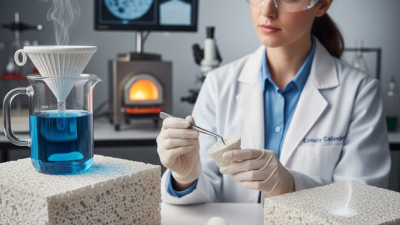
Porous alumina ceramics are gaining attention in various industries due to their unique properties. One common application is in filtration systems. Their porous structure allows for efficient separation of particles, making them ideal for water and air purification. In research laboratories, these ceramics enable precise studies of fluid dynamics. Scientists can observe fluid flow through porous materials, enhancing their understanding of filtration and absorption processes.
Another significant application is in biomedical fields. Porous alumina ceramics are used in implants and scaffolding for tissue engineering. The biocompatibility and high porosity promote cell attachment and growth. Researchers find that the interconnected pores mimic natural tissue structure, which is crucial for successful integration in the body. However, challenges remain in optimizing pore size and distribution for specific applications.
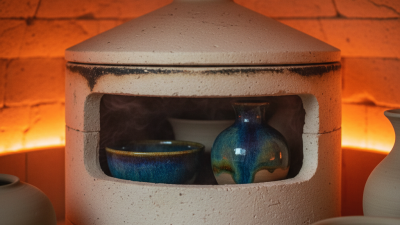
Additionally, their thermal stability makes porous alumina ceramics suitable for high-temperature applications. They are often employed in catalytic converters and thermal insulators. The material's ability to withstand extreme conditions is advantageous. Nonetheless, the manufacturing process can be complex, requiring careful control of parameters. Ongoing research is needed to refine production methods and improve performance in various settings.
Factors to Consider When Selecting Porous Alumina Ceramics for Your Needs
When selecting porous alumina ceramics, several factors should be taken into account. Their unique properties make them versatile for various applications. For instance, porosity levels can range from 20% to 80%, affecting both strength and permeability. This variance is crucial for industries such as filtration and catalysis, where specific flow rates are essential.
The mechanical strength of porous alumina is another vital consideration. Typical alumina ceramics boast a compressive strength of around 200 MPa. This robustness ensures durability in harsh environments. However, the trade-off often involves weight and thermal insulation properties. Some applications might require more insulation, while others prioritize strength. It’s essential to analyze the project needs thoroughly.
Cost-effectiveness is equally important. A recent market report indicated that alumina ceramics could reduce operational costs by up to 25% in certain applications compared to traditional materials. However, this doesn't universally apply to all use cases. The initial investment can also vary significantly based on porosity and processing methods. Careful assessment can lead to better decision-making aligned with project goals.