Why Choose Refractory Sagger for Your Manufacturing Needs?
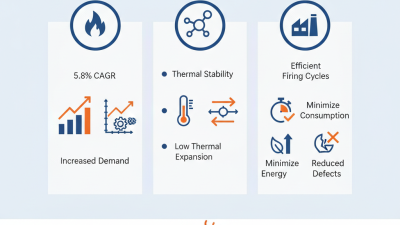
In today's competitive manufacturing landscape, choosing the right materials is crucial. Refractory sagger is gaining attention for its key role in high-temperature processes. According to a report by Allied Market Research, the global refractories market is projected to reach $36 billion by 2026, highlighting a growing need for durable solutions.
Refractory saggers provide essential support in various industries, including ceramics and metal production. They withstand extreme heat and chemical corrosion, ensuring product integrity and process efficiency. A study from Frost & Sullivan indicates that over 70% of manufacturers prioritize material resilience in their operations. This rising trend reflects the industry's demand for dependable manufacturing tools.
Yet, selecting the appropriate refractory sagger requires understanding specific needs. Some saggers may not perform optimally under every condition. Not all manufacturers provide equal quality, and this can lead to processing issues. Evaluating material specifications and supplier credentials is vital for minimizing risks and maximizing efficiency. Investing in a high-quality refractory sagger could greatly enhance production reliability and safety.

Understanding Refractory Saggers and Their Role in Manufacturing
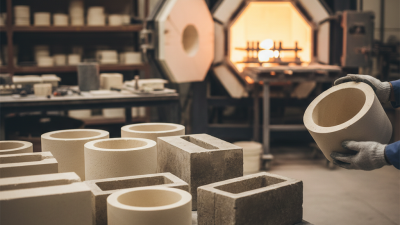
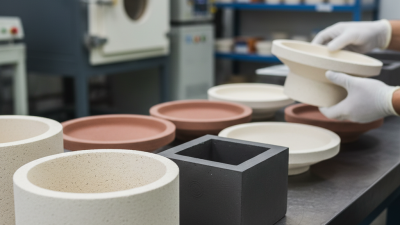
Refractory saggers play a crucial role in manufacturing processes, particularly in ceramics and metal industries. These containers are essential for holding and supporting items during high-temperature firing. The materials used in saggers must withstand extreme conditions without cracking or warping.
When selecting refractory saggers, it’s important to consider various factors. Temperature tolerance is key, as different materials have unique heat resistance. A poorly chosen sagger might lead to product defects. Additionally, the size and shape of the sagger should align with the manufactured item. Ensure the dimensions match your specific requirements for optimal results.
Understanding the interaction between the sagger and the items it supports is vital. This relationship impacts product quality and production efficiency. Regular assessments of sagger performance can reveal wear and tear. Investing time in these evaluations helps prevent costly manufacturing errors down the line. Overall, careful consideration of refractory saggers can enhance your production processes.
The Advantages of Using Refractory Saggers in High-Temperature Processes
Refractory saggers are essential in high-temperature manufacturing processes. Their robust design withstands extreme heat and protects products during firing. Made from durable materials, these saggers ensure stability and longevity, even under challenging conditions.
Using refractory saggers can significantly enhance efficiency. They reduce the risk of contamination, allowing for cleaner production. Additionally, their insulating properties prevent heat loss, optimizing energy use. However, it’s crucial to choose the right type for specific applications, as not all saggers are equal.
Manufacturers must also consider the maintenance of these saggers. Regular inspections are necessary to avoid potential failures. Over time, wear can occur, affecting performance. By addressing these issues proactively, companies can maintain their reliability and extend the service life of their refractory saggers.
Material Composition and Design Features of Refractory Saggers
Refractory saggers play a crucial role in various manufacturing processes, particularly in ceramics and glass industries. The material composition of these saggers significantly influences their performance. Typically, they consist of high-alumina clay, graphite, and other additives. High-alumina content enhances thermal resistance, while graphite provides excellent thermal conductivity. A study by the International Ceramic Society indicates that proper material selection can improve product quality and reduce energy consumption by up to 15%.
Design features also set refractory saggers apart. Many are crafted to withstand extreme temperatures, often exceeding 1,600 degrees Celsius. Their shape is engineered to provide maximum stability during thermal cycling. These characteristics help maintain consistent performance throughout the manufacturing cycle. However, not all designs are created equal. Some saggers may suffer from thermal shock and cracking. A review from the Journal of Advanced Ceramics highlights that improving the thickness uniformity can mitigate these risks.
Incorporating new technologies is essential for enhancing the durability and effectiveness of refractory saggers. Researchers are exploring advanced composites and innovative structures to improve longevity. Yet, ongoing assessments are necessary to ensure safety and reliability in various high-temperature applications. Balancing material characteristics with design innovations remains a focus in the industry.
Material Composition and Design Features of Refractory Saggers
Applications of Refractory Saggers Across Various Industries
Refractory saggers play a crucial role in various industries, especially in manufacturing ceramics and metals. According to a 2022 report by the Global Refractories Association, refractory materials account for an estimated 65% of total production costs in ceramic manufacturing. This highlights the significance of choosing the right type of sagger for efficiency and cost-effectiveness.
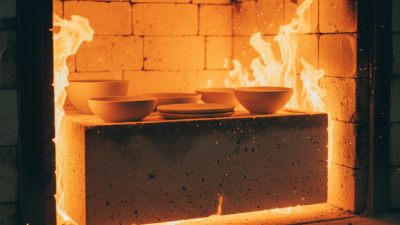
In the ceramic industry, refractory saggers provide essential support during high-temperature firing processes. These saggers withstand extreme conditions, maintaining shape and integrity. For example, they can endure temperatures exceeding 1,200 degrees Celsius. Such thermal resilience improves product quality and minimizes defects, ensuring higher yield rates. Conversely, using subpar saggers can lead to premature failures, affecting production efficiency and increasing waste.
Metal casting is another area benefiting from refractory saggers. They assist in controlling heat distribution, which influences the final properties of the metal. Studies show that using high-quality refractory materials can enhance the strength and durability of metals. However, some manufacturers overlook the importance of these components, risking compromised outcomes. This negligence may lead to increased operational costs over time. Investing in reliable refractory saggers is an often-overlooked strategy that can yield significant benefits.
Cost-Benefit Analysis: Investing in Refractory Saggers for Efficiency
Investing in refractory saggers can significantly enhance manufacturing efficiency. A recent industry report indicated that companies using refractory saggers in their processes saw a reduction in heat loss by up to 30%. This improved thermal insulation leads to lower energy costs, thus maximizing cost-effectiveness over time. The high durability of refractory materials also means fewer replacements, lowering operational disruptions.
However, the initial investment in refractory saggers may seem daunting. Analyze your usage patterns to determine potential savings. If your operations require frequent firing cycles, refractory saggers can be a smart choice. They not only withstand high temperatures but also maintain structural integrity over time, which is a crucial aspect of managing costs efficiently. A careful calculation can show that the long-term returns outweigh the upfront costs, making it a wise decision for sustainable manufacturing.
Tips: Assess your current production efficiency before transitioning to refractory saggers. A simple audit can help identify the best investment path. Regular training for staff on handling refractory materials can reduce mistakes. Finally, involve all team members in the decision-making process to ensure everyone understands the change.