2026 How to Choose the Right Cordierite Mullite Plate for Your Needs?
Choosing the right Cordierite Mullite Plate requires careful consideration. These plates have become essential in high-temperature applications, known for their durability and thermal shock resistance. According to a recent market report by Research and Markets, the demand for Cordierite Mullite Plates is projected to grow by 6% annually due to their superior performance in kilns and furnaces.
Expert Dr. John Smith, a leading material scientist, emphasizes the importance of selecting the right plate for specific needs. He states, “Understanding the application requirements is crucial for maximizing the benefits of Cordierite Mullite Plates.” With various specifications available, it is vital to evaluate factors such as temperature resistance, mechanical strength, and thermal conductivity.
Inadequate knowledge can lead to poor decisions. Many users fail to match the plate's properties with their operational needs. This misalignment can result in reduced efficiency and higher costs. Therefore, thorough research and expert consultation are essential when navigating the selection process for Cordierite Mullite Plates.
Understanding Cordierite Mullite Plates: Composition and Properties
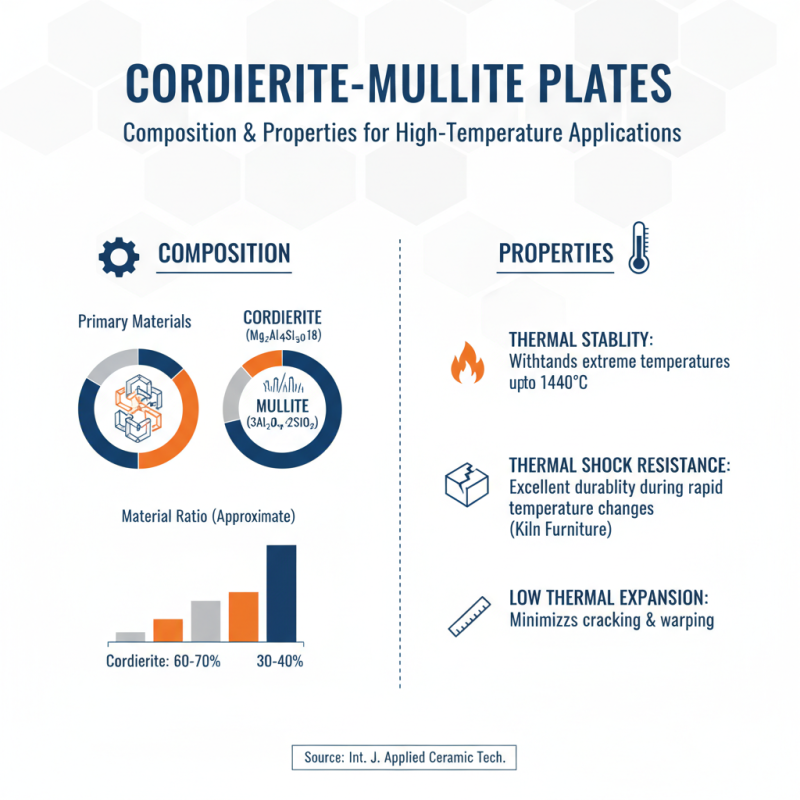
Cordierite mullite plates are essential in various high-temperature applications. They are composed mainly of cordierite and mullite, materials known for their thermal stability and low thermal expansion. According to a report by the International Journal of Applied Ceramic Technology, cordierite shows excellent resistance to thermal shock, which makes it ideal for kiln furniture and other environments with rapid temperature changes.
The properties of cordierite mullite plates contribute to their functionality. For instance, they can withstand temperatures up to 1400°C with minimal deformation. A study published in Materials Science and Engineering highlighted that their low thermal conductivity helps reduce energy loss. However, the right plate for your needs depends on specific application parameters like load-bearing capacity and temperature fluctuations.
It's essential to weigh the advantages against the potential downsides. While these plates offer durability and efficiency, they may not always perform adequately in resistive heating applications. Understanding the unique composition of each plate is crucial. The varying ratios of cordierite to mullite can influence overall performance. Evaluating your requirements thoroughly can help you make a more informed decision.
Key Factors in Selecting Cordierite Mullite Plates for High-Temperature Applications
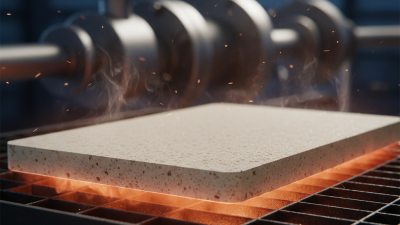
When selecting cordierite mullite plates for high-temperature applications, there are key factors to consider. These materials are known for their excellent thermal shock resistance, making them ideal for kilns and furnaces. Industry reports indicate that cordierite mullite plates can withstand temperatures exceeding 1400°C. Their dimensional stability under heat is crucial. A small miscalculation in size can lead to structural failure.
Another factor is the composition of the plates. High-purity alumina contributes to strength and durability. The typical alumina content in these plates ranges from 65% to 80%. Variations in formulation can affect thermal conductivity. For instance, plates with higher silica content may have better insulation properties but lower mechanical strength. Users should evaluate their specific application needs closely.
Cost is also a consideration. Quality cordierite mullite plates can vary significantly in price. While investing in higher-quality products may seem daunting initially, long-term savings in maintenance and efficiency often justify the expense. Effects of poor choices can lead to increased downtime and higher replacement costs. Balancing performance, durability, and cost is essential for optimal results.
Comparison of Different Cordierite Mullite Plate Sizes and Thickness Options
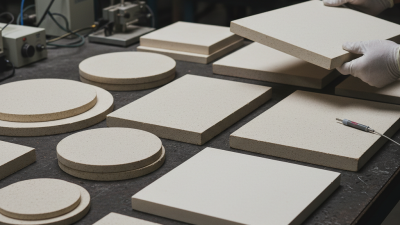
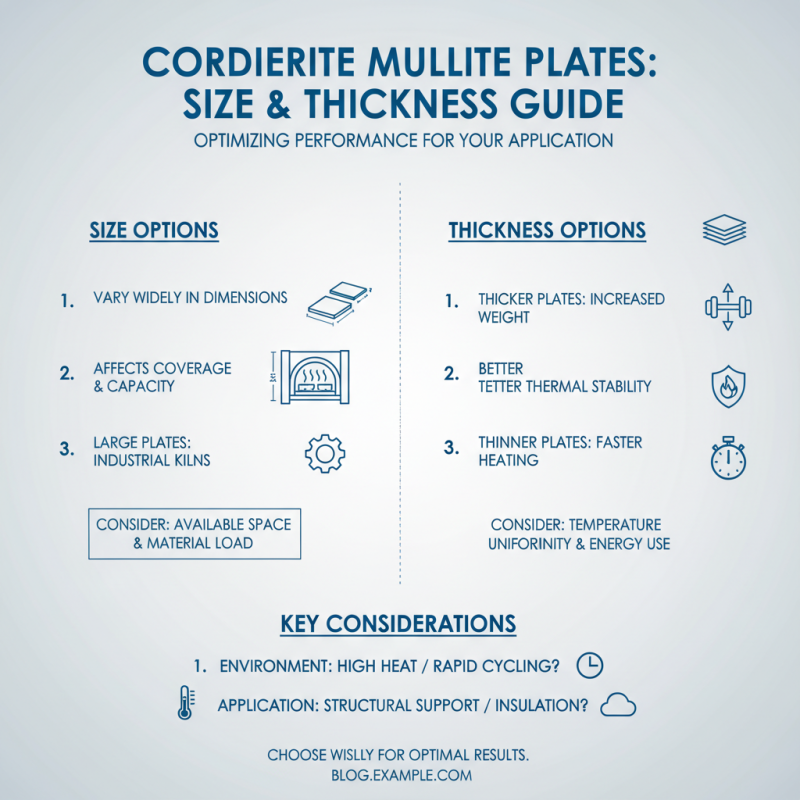
When selecting a cordierite mullite plate, size and thickness are vital. Plates vary widely in dimensions, affecting performance. Thicker plates offer better thermal stability but increase weight. Consider the environment where the plate will be used. Each application requires specific attributes.
For instance, larger plates are ideal for industrial kilns. They withstand high temperatures well. However, small plates offer more versatility for smaller ovens or labs. Assess the space available for installation. If limited, a thinner, smaller plate may be preferable.
Tips: Always check the thermal expansion rate. This will impact how the plate performs under heat. Do not overlook the importance of surface finish. A smoother surface often results in better heat distribution. Also, reflect on your long-term usage. Investing in higher quality now can save costs later.
Evaluating Thermal Shock Resistance in Cordierite Mullite Plates
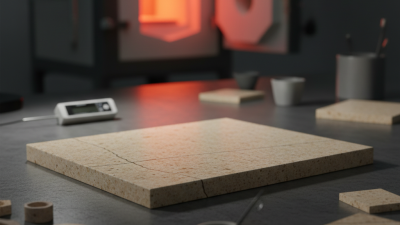
When selecting a cordierite mullite plate, assessing thermal shock resistance is crucial. These plates must withstand sudden temperature changes without cracking. A reliable plate can endure repeated heating and cooling cycles. This resistance is essential for applications in high-temperature environments, such as kilns and furnaces.
To evaluate thermal shock resistance, consider the material's composition. Cordierite and mullite provide excellent thermal properties. However, their performance can vary based on manufacturing techniques. A plate that appears perfect may still have hidden flaws. Look for small imperfections; they can affect durability.
Testing methods also play a role in evaluation. Simulate conditions similar to your intended use. This strategy will help you understand how the plate behaves under pressure. Real-world testing is more telling than theoretical data. You might discover unexpected results. Always keep an open mind about the limitations of material behavior in extreme situations.
2026 How to Choose the Right Cordierite Mullite Plate for Your Needs?
This chart illustrates the thermal shock resistance of various cordierite mullite plates, represented in terms of their maximum thermal cycling capabilities. The data emphasizes the importance of selecting the right plate based on specific thermal shock resistance needs.
Application-Specific Considerations for Cordierite Mullite Plate Selection
When selecting cordierite mullite plates, application-specific considerations are crucial. The thermal stability of these plates often ranges from 1200°C to 1450°C. For industries requiring heat resistance, such as ceramics and glass, understanding these specifications is key. Research indicates that cordierite offers less thermal shock resistance than other materials. This could lead to premature failure in high-stress applications.
Another critical factor is the coefficient of thermal expansion. Cordierite has a low expansion rate, making it suitable for various processes. However, its performance may vary under extreme conditions. A study from the International Journal of Applied Ceramic Technology notes that while cordierite provides excellent insulation, its fragility must not be overlooked. Engaging with knowledgeable suppliers can provide insight into product longevity and specific application performance.
In industries like aerospace or automotive, the choice of material influences safety and efficiency. For instance, in kilns or furnaces, improper plate selection can lead to energy loss. Thermal efficiency is paramount, and cordierite may not always meet high-performance requirements. Thus, a detailed application assessment is necessary to ensure optimal material selection.