Why Choose Silicon Carbide Kiln Shelves for Your Studio?
Choosing the right kiln shelves is vital for any studio. Among the options available, Silicon Carbide Kiln Shelves stand out for many reasons. They offer exceptional durability and heat resistance. This makes them ideal for high-temperature firings.
Silicon Carbide Kiln Shelves can also handle various materials. They are less prone to warping compared to traditional shelves. Their lightweight nature makes them easy to manipulate in tight spaces. However, some users may find them to be an investment at first glance. It's essential to weigh the long-term benefits against the initial costs.
Moreover, these shelves enhance the overall firing process. They provide a stable surface that supports your work, allowing for consistent results. Artists report fewer firing mishaps, leading to a more efficient workflow. Choosing Silicon Carbide Kiln Shelves can be a practical decision, yet it's important to consider their limitations as well. Understanding both the advantages and challenges will lead to more informed decisions for your studio.

Benefits of Using Silicon Carbide Kiln Shelves in Ceramics
Silicon carbide kiln shelves have become increasingly popular in ceramics studios. Their high thermal shock resistance makes them ideal for firing. This material can withstand rapid temperature changes without cracking. According to industry reports, silicon carbide shelves can last up to 4 times longer than traditional ceramic shelves.
Another advantage is their ability to hold significant weight. Some silicon carbide shelves can support loads exceeding 2000 pounds. This is crucial for potters who work with large pieces. Moreover, they can reduce firing times by up to 30%. This efficiency can lead to increased productivity in the studio.
However, these shelves are not without their challenges. They can be more expensive initially, which may be a concern for small studios. Additionally, if not properly maintained, they can develop surface imperfections. These issues can affect work quality and decrease lifespan. Studios should consider balancing these factors when choosing kiln shelves.
Benefits of Using Silicon Carbide Kiln Shelves in Ceramics
Comparative Durability: Silicon Carbide vs. Traditional Kiln Shelves
Silicon carbide kiln shelves stand out in comparison to traditional options. Their durability is unmatched, especially under high temperatures. Traditional shelves can crack and warp. This can lead to potential failures in your work. Silicon carbide shelves resist thermal shock better, providing a stable surface for your ceramics.
One critical aspect is the lifespan. Silicon carbide shelves can last years longer than traditional materials. They withstand weight and heat without breaking down. Keep in mind, though, they can be heavier. This might pose challenges during handling. Make sure to use proper lifting techniques when placing them.
Tips for maintaining silicon carbide shelves include regular inspections. Look for any signs of wear. Minor chips can be addressed quickly. Avoid sudden temperature changes to prolong their life. Also, use a protective coating to minimize wear. While these shelves excel, they do require thoughtful care. Reflect on your studio habits to ensure optimal use.
Cost-Effectiveness of Silicon Carbide Kiln Shelves Over Time
Silicon carbide kiln shelves are increasingly becoming the choice for many studios. Their
durability and heat resistance are impressive.
Unlike traditional shelves, they can withstand high temperatures without warping. This quality leads
to less frequent replacements, which is a key factor in their
cost-effectiveness. Over time, these savings add up.
Beyond the initial investment, consider the long-term benefits. Silicon carbide shelves can endure
years of use. Many artists find they don't crack or chip easily. This reliability reduces downtime
in production. However, purchasing such shelves may initially seem more expensive. It’s essential
to weigh the upfront costs against the longevity and performance.
Studio owners sometimes overlook the importance of these details. Some might be tempted by
cheaper materials. Yet, these often require more replacements and repairs. This creates ongoing
costs that can outweigh initial savings. Reflecting on these aspects can change your purchasing
decision. Investing wisely in kiln shelves could mean fewer headaches in the future.
Heat Resistance and Thermal Conductivity of Silicon Carbide
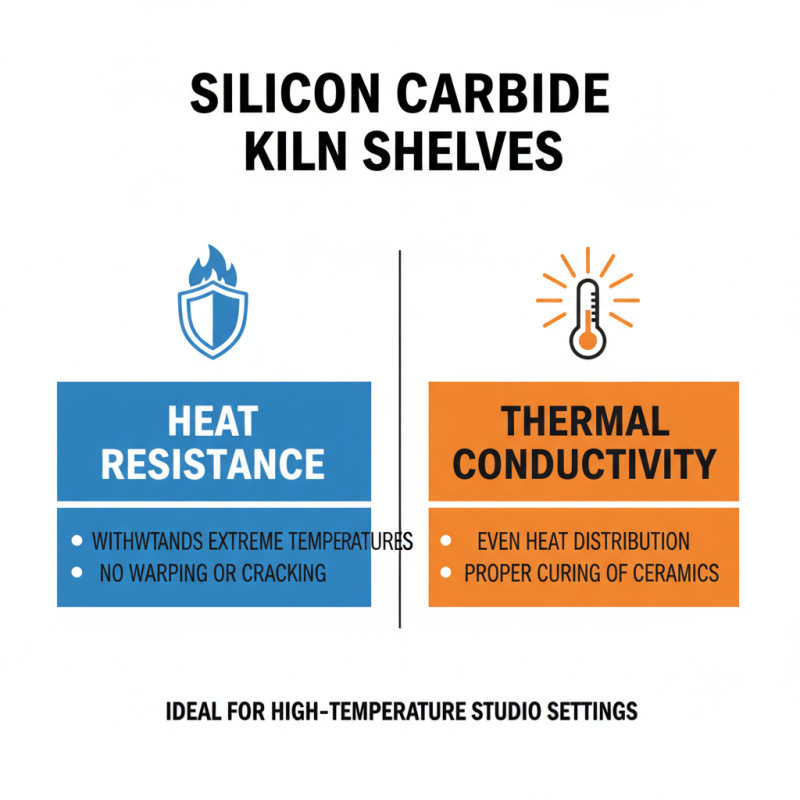
Silicon carbide (SiC) kiln shelves stand out due to their exceptional heat resistance. These shelves can withstand extremely high temperatures without warping or cracking. This quality is crucial for any studio setting where intense heat is a norm. Additionally, they offer excellent thermal conductivity. This means that heat distributes evenly across the shelf, ensuring your pieces cure properly.
When using silicon carbide shelves, keep a few tips in mind. Always preheat your kiln gradually. Rapid temperature changes can stress materials. Place your pottery carefully to avoid contact with the kiln walls. This will improve airflow and reduce the risk of uneven heating.
It's interesting to note the shelf's longevity. While they are pricier upfront, they often last much longer than traditional shelves. This makes them a cost-effective investment over time, even if it requires a re-evaluation of initial budget plans. The weight of the shelves can also be a downside. They are heavier than other materials, which may complicate handling during setup. Remember to consider your studio's layout.
Maintenance and Care Tips for Silicon Carbide Kiln Shelves
Silicon carbide kiln shelves are an excellent choice for artists and potters. They are known for their durability and heat resistance. However, caring for these shelves is crucial for their longevity. Reports show that proper maintenance can extend their lifespan by up to 30%.
Tips: Regularly inspect your shelves for cracks or chips. If you notice any damage, replace the shelf immediately. This prevents potential issues during firing. Cleaning your shelves with a damp cloth after each use keeps them free from debris. Avoid using abrasive cleaners that can scratch the surface.
Another vital aspect is proper loading technique. Overloading shelves can lead to warping or breakage. Lift shelves carefully and handle them with care. Keep in mind that silicon carbide can be sensitive to temperature changes. Aim for gradual temperature shifts during firing cycles to avoid stress.