How to Choose the Best Corundum Mullite Plate for Your Industrial Needs
In the realm of advanced industrial materials, the choice of the right components can significantly impact the performance and efficiency of operations. One such critical element is the Corundum Mullite Plate, renowned for its exceptional thermal stability, low thermal conductivity, and high mechanical strength. As industries continue to evolve, the demand for reliable and durable materials like Corundum Mullite Plates becomes paramount. According to Dr. Emily Wright, a leading expert in ceramic engineering, “The selection of the perfect Corundum Mullite Plate is essential for optimizing operational efficiency in high-temperature applications.”
When navigating the complexities of industrial requirements, understanding the specifications and advantages of Corundum Mullite Plates can provide a competitive edge. These plates are not only pivotal in high-performance environments but also play a crucial role in various sectors, including metallurgy, ceramics, and aerospace. As Dr. Wright emphasizes, “Investing time in understanding the properties of Corundum Mullite Plates can save industries both time and resources in the long run.” This guide aims to assist professionals in making informed choices by highlighting key factors to consider when selecting the best Corundum Mullite Plate for specific industrial needs.

Understanding Corundum Mullite Plates and Their Properties
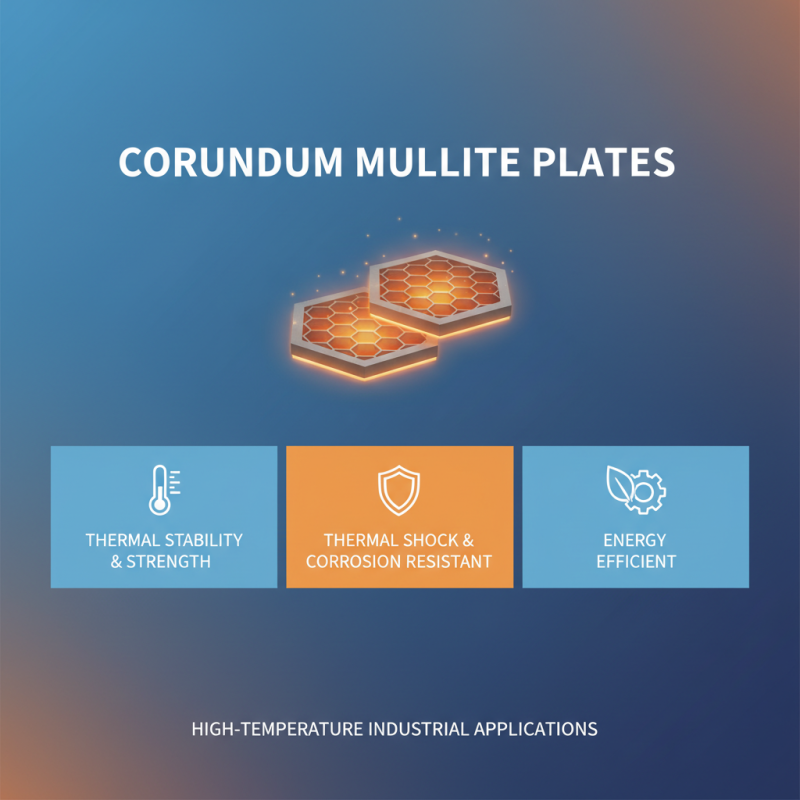
Corundum mullite plates are valuable materials widely used in high-temperature industrial applications due to their exceptional thermal stability and mechanical strength. Composed primarily of corundum (Al2O3) and mullite (3Al2O3·2SiO2), these plates exhibit impressive resistance to thermal shock and corrosion, making them suitable for environments that require durability under extreme conditions. Their low thermal conductivity also aids in energy efficiency, ensuring that processes remain cost-effective while maintaining peak performance.
In addition to their thermal and mechanical characteristics, corundum mullite plates have excellent wear resistance, which is advantageous in applications involving abrasive substances. Their chemical inertness adds to their versatility, allowing them to be used in various sectors, including ceramics, metal processing, and the manufacturing of refractory linings. When selecting the appropriate corundum mullite plate for specific industrial needs, it is essential to consider factors such as the operating temperature, the nature of the material being processed, and the specific environmental conditions to ensure optimal performance and longevity.
Factors to Consider When Selecting Corundum Mullite Plates
When selecting corundum mullite plates for industrial applications, several key factors must be considered to ensure optimal performance and longevity. One of the primary factors is the temperature resistance of the material. Corundum mullite plates are renowned for their excellent thermal stability, so assessing the specific temperature requirements of your application is critical. High-temperature resistance is essential for industries involving furnaces or kilns, where materials are subject to extreme heat.
Another important consideration is the mechanical strength of the corundum mullite plates. This strength is vital for applications where the plates will be subjected to physical stress or impact. Evaluating specifications for tensile strength and compressive resistance will help you determine if a particular plate can withstand the demands of your operational environment. Additionally, surface finish and porosity are factors that can influence the performance of these plates; a finer surface finish may enhance durability and minimize maintenance requirements.
Finally, the chemical resistance of corundum mullite plates should not be overlooked. Different industrial processes can involve exposure to corrosive substances, so understanding the chemical resistance properties of the material will facilitate better longevity and reliability in harsh environments. Choosing the right balance of temperature resistance, mechanical strength, and chemical durability will ensure that you select the most suitable corundum mullite plates for your specific industrial needs.
Evaluating Performance Standards for Industrial Applications
When selecting the best corundum mullite plate for industrial applications, it is crucial to evaluate performance standards that align with specific operational requirements. Corundum mullite is renowned for its high-temperature resistance and structural stability, making it an ideal choice for industries such as ceramics, metallurgy, and heating applications. According to a recent industry report from MarketsandMarkets, the global refractories market is expected to grow at a CAGR of 3.8% over the next five years, emphasizing the increasing demand for high-performance refractory materials like corundum mullite.
Performance standards such as thermal shock resistance, mechanical strength, and chemical stability are essential indicators of the suitability of corundum mullite plates for industrial use. The American Society for Testing and Materials (ASTM) sets specific guidelines for testing the mechanical properties of refractory materials. For instance, a standard ASTM C133 outlines the acceptable limits for modulus of rupture and compressive strength, which must meet a minimum threshold to ensure durability in high-stress environments. Evaluating these metrics can help manufacturers identify the right materials that will sustain operational efficiency under extreme conditions.
Moreover, thermal conductivity is another critical factor, as it affects not only energy efficiency but also the safety of operations. According to a study published in the Journal of Materials Science, corundum mullite exhibits low thermal conductivity values, ranging from 2.5 to 4 W/m·K at elevated temperatures, which enables it to minimize heat loss in industrial processes. Assessing these performance standards will guide industries in making informed decisions when selecting corundum mullite plates that meet their specific needs.
How to Choose the Best Corundum Mullite Plate for Your Industrial Needs
| Dimension (mm) |
Density (g/cm³) |
Compressive Strength (MPa) |
Thermal Conductivity (W/m·K) |
Max Operating Temperature (°C) |
Application Area |
| 300 x 300 x 20 |
3.2 |
200 |
20 |
1600 |
High-Temperature Furnaces |
| 400 x 400 x 30 |
3.1 |
250 |
15 |
1700 |
Ceramic Kilns |
| 600 x 600 x 25 |
3.3 |
220 |
18 |
1650 |
Glass Manufacturing |
| 500 x 500 x 20 |
3.0 |
230 |
19 |
1600 |
Industrial Furnaces |
Comparing Different Suppliers of Corundum Mullite Plates
When selecting a corundum mullite plate for industrial applications, it's crucial to evaluate various suppliers to ensure that you are getting a product that meets your specifications and quality requirements. Different suppliers offer differing levels of material purity, thermal stability, and mechanical strength. Researching these characteristics can help you narrow down your options and find a plate that not only fits your budget but also performs effectively in your specific environment.
Additionally, assessing supplier reputation and customer service is vital. Look for feedback from past clients regarding product quality and after-sales support. A supplier that provides comprehensive technical support and guidance can be invaluable, particularly if you're implementing the plate in a complex industrial system. Comparing these aspects across suppliers, including delivery times and pricing structures, will ultimately enable you to make a more informed decision, aligning your choice of corundum mullite plates with your operational needs and long-term goals.
Comparison of Corundum Mullite Plates from Different Suppliers
This chart compares the average compressive strength and thermal conductivity of corundum mullite plates from various suppliers based on available data.
Maintenance and Handling Tips for Corundum Mullite Products
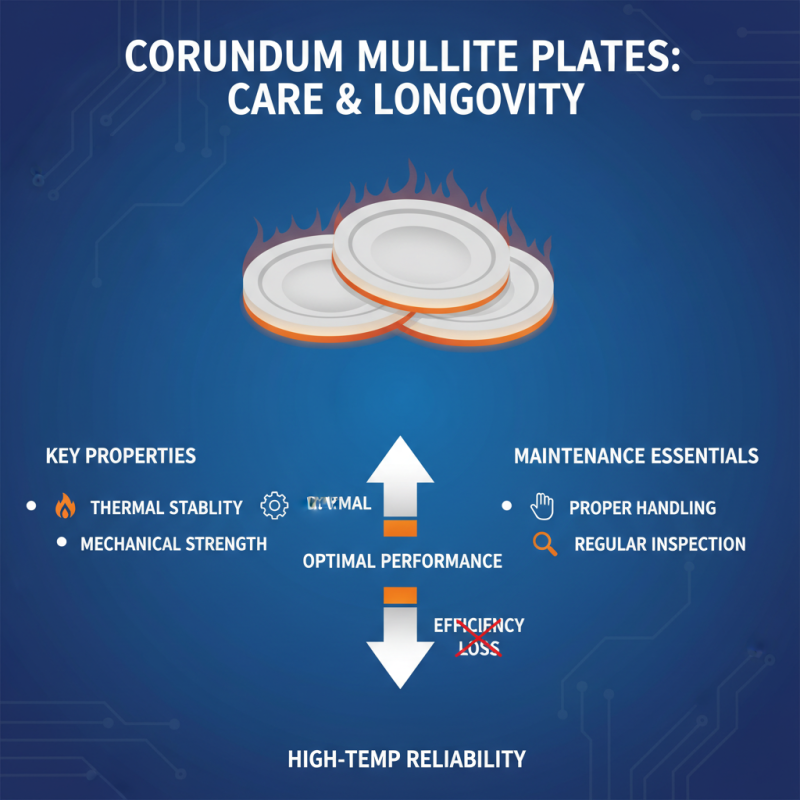
When it comes to handling and maintaining corundum mullite plates, proper care is essential to ensure their longevity and optimal performance in industrial applications. Corundum mullite products are revered for their excellent thermal stability and mechanical strength, making them ideal for high-temperature environments. However, without appropriate maintenance, their efficiency can diminish over time.
Regular inspections are crucial. Look for any signs of wear or damage, such as cracks or surface degradation, as these can compromise the integrity of the plate. If any issues are detected, it’s best to address them promptly, as ignoring them may lead to more significant problems later. Additionally, cleaning the plates should be done with non-abrasive materials and gentle detergents to avoid scratching the surface, which could impact performance.
When handling corundum mullite products, always wear appropriate protective gear to prevent personal injury. Ensure that the plates are transported with care, using lifting equipment when necessary to prevent impacts that could lead to chipping. Storing the plates in a dry and stable environment will also help maintain their structural integrity. By adopting these maintenance and handling tips, you can extend the lifespan of your corundum mullite products and ensure they continue to meet your industrial needs effectively.