How to Choose the Best Kiln Furniture for Your Needs?
Choosing the right Kiln Furniture is crucial for achieving quality results in ceramics and pottery. Expert John Smith, a renowned figure in the kiln industry, emphasizes, “Selecting the right kiln furniture can make or break your project.” This statement rings true for both novice and experienced potters alike.
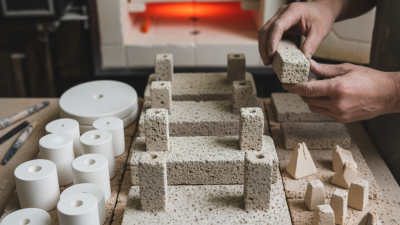
Kiln furniture, which includes shelves, posts, and supports, holds significant importance in the firing process. A poorly chosen shelf can warp or crack, affecting your work. Different materials and designs offer varying levels of heat resistance and stability. It's essential to consider the temperatures you will be working with. Not all kiln furniture can withstand high heat without compromising its integrity.
Furthermore, the choice of kiln furniture can impact your overall efficiency. Overloading or misplacing items can lead to uneven firing. Each piece of furniture interacts uniquely with the kiln environment. Reflecting on your needs can guide you towards the best choice. Balancing quality and cost requires careful reflection. Making informed decisions ensures your artistic vision remains unscathed during firing.
Understanding Kiln Furniture: Types and Functions
Kiln furniture plays a crucial role in the firing process. It includes shelves, posts, and supports. Understanding the different types helps in making informed choices.
Shelves are designed to hold pottery and ceramics. They come in various sizes and materials. It's essential to select ones that can withstand high temperatures without warping.
Posts are used to create space between shelves. This ensures proper airflow during the firing process. They should be sturdy and durable. Inappropriate materials can lead to disastrous results. Consider the weight and size of your pieces when choosing posts.
Tip: Always check for compatibility between materials. Different ceramics may not react well with certain kiln furniture.
Kiln supports are often overlooked. However, they ensure that delicate items remain stable during firing. A small error in support can lead to fractures.
Tip: Test your kiln furniture before committing to large batches. This will help in avoiding costly mistakes.
Evaluate your needs carefully. What works for one project may not suit another. Sourcing quality kiln furniture can feel overwhelming. Reach out to local potters or join online forums for advice. Their expertise can guide your decisions effectively.
Assessing Your Kiln Size and Temperature Requirements
When choosing kiln furniture, it’s crucial to consider your kiln size and temperature needs. A kiln’s dimensions determine what type of furniture can fit. Measure the interior space accurately. If your kiln is small, you may need customized shelving. This helps maximize space and ensure balanced heat distribution.
Different clays and glazes require specific firing temperatures. High-fire ceramics call for furniture that can withstand intense heat. Look for materials with good thermal shock resistance. If you often switch between firing temperatures, variability might affect the furniture's longevity. Don't hesitate to experiment. Test different setups to find what works best for your projects.
Reflect on your firing practices. Are you pushing your kiln to its limits? Overloading can lead to uneven results. Account for the weight of your pieces and the materials used. Sometimes less is more. Creating less complex setups can enhance functionality and increase effectiveness. Adapt and evolve with each firing experience.
How to Choose the Best Kiln Furniture for Your Needs? - Assessing Your Kiln Size and Temperature Requirements
| Kiln Size (Cubic Feet) |
Max Temperature (°F) |
Recommended Furniture Type |
Material Type |
| 1 |
2350 |
Shelf |
Cordierite |
| 2 |
2200 |
Post |
Silica |
| 3 |
2400 |
Plate |
Alumina |
| 4 |
2300 |
Setter |
Magnesia |
| 5 |
2350 |
Underfiring Support |
Porcelain |
Material Options: Selecting the Right Kiln Furniture
Choosing kiln furniture can feel overwhelming. It’s essential to consider the
material options available. Different materials affect
weight,
durability, and
heat retention. Common options include
ceramic and
metal, each with its pros and cons.
Ceramic kiln furniture is popular for its excellent thermal stability. It can withstand high temperatures
without warping. However, it might be heavier than other materials. On the other hand, metal rack systems
are lighter but may not handle extreme heat as well. You might need to
reevaluate your use case to determine which option fits best.
Tips: Test a small piece before committing to a large order.
This way, you can gauge how well it performs with your specific clays and glazes.
Consider how often you will be using the furniture. Frequent use might justify
investing in more durable options. Lastly, always pay attention to
manufacturing details.
Small imperfections can lead to larger issues during firing.
Evaluating Durability and Cost-Effectiveness
When evaluating kiln furniture, durability is crucial. Quality materials withstand high temperatures and heavy loads. Clay shelves and supports must resist deformation over time. Look for furniture that can endure repeated firings without damage. This reduces the need for frequent replacements, saving money in the long run.
Cost-effectiveness plays a key role in choosing kiln furniture. While upfront costs may be higher for durable goods, investing in long-lasting options pays off. Cheaper alternatives often require more replacements. Balancing initial expenses with the potential lifespan of the furniture is essential. A well-selected piece may only need occasional maintenance, enhancing its value over time.
Many people overlook the importance of regular evaluations. Inspecting your kiln furniture for wear and tear is vital. Small cracks or warping can escalate into larger issues. Regular checks not only ensure safety but also prolong the furniture's life. Investing in a reliable piece requires ongoing attention and care.
Maintenance Tips for Longevity of Kiln Furniture
Maintaining kiln furniture is essential for its longevity and performance. Regular cleaning is crucial. Dust and debris can build up, affecting results. A soft brush or cloth is suitable for routine maintenance. Avoid harsh chemicals that could damage the material. If furniture gets stained, use mild cleaners. Be gentle to preserve the surface.
Storage conditions play a significant role in durability. Place kiln furniture in a dry, cool area. Extreme temperatures can lead to warping. Keep it away from direct sunlight. This simple step can prevent unnecessary stress on the material. Periodically check for cracks or wear. Identifying issues early can save costs and extend life.
Using kiln furniture appropriately is also vital. Overloading can cause breakage, so always follow guidelines. Ensure even weight distribution to prevent tipping. When stacking, use spacers designed for this purpose. Recognizing the limits of your equipment will help prevent gradual degradation. Adjust your practices to maintain the quality of your kiln furniture.