2026 How to Choose Cordierite Mullite Plates for Your Needs?
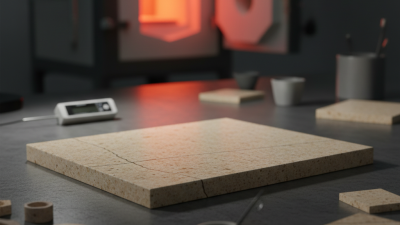
When selecting materials for high-temperature applications, understanding the properties of Cordierite Mullite Plates is essential. These plates are favored in industries such as ceramics and refractory materials due to their excellent thermal stability and low thermal expansion. Recent industry reports indicate that the global ceramic market is expected to reach USD 432 billion by 2026, highlighting the demand for effective materials like Cordierite.
It's critical to consider the specific thermal conductivity and resistance to thermal shock in your applications. Cordierite Mullite Plates exhibit remarkable durability, but they can vary in composition and quality. For instance, some plates contain higher percentages of Mullite, providing enhanced strength. It's important to evaluate not just the specifications, but also the supplier's expertise and reliability in producing these materials.
While Cordierite Mullite Plates provide outstanding performance, selecting the right grade can be challenging. Companies may face difficulties in identifying the best source or determining the appropriate dimensions for their needs. Relying on accurate data and supplier insights can help mitigate these challenges, ensuring optimal performance in your thermal applications.
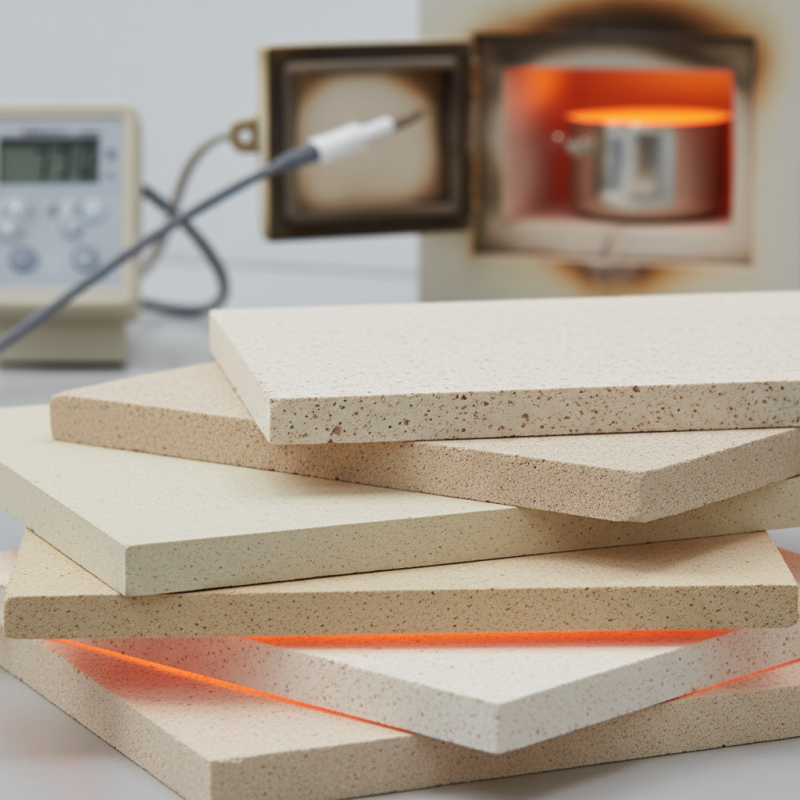
Understanding Cordierite Mullite Plates: Properties and Applications
Cordierite mullite plates are increasingly used in various industries due to their unique properties. These plates resist thermal shock and have excellent mechanical strength. According to a report by MarketsandMarkets, the global demand for cordierite products is projected to grow by 5.4% annually through 2026. This growth reflects an increasing need for high-performance materials in applications such as kiln furniture and aerospace components.
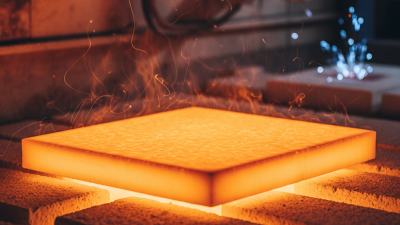
The properties of cordierite mullite plates make them suitable for high-temperature environments. They maintain stability at temperatures exceeding 1,400 °C. Their low thermal expansion coefficient minimizes the risk of cracking under thermal stress. However, while these plates excel in high-temperature settings, their performance can be compromised if improperly manufactured. The quality of material affects durability and efficiency.
In ceramic manufacturing, the versatility of cordierite mullite plates is noteworthy. They are used in the production of high-quality ceramics and tiles. The right choice for specific applications requires a deep understanding of material properties. Evaluating factors like porosity, mechanical strength, and thermal stability is crucial. Using plates that do not meet exact specifications can lead to performance failures, necessitating careful consideration during the selection process.
2026 Cordierite Mullite Plates Properties Analysis
Factors to Consider When Choosing Cordierite Mullite Plates
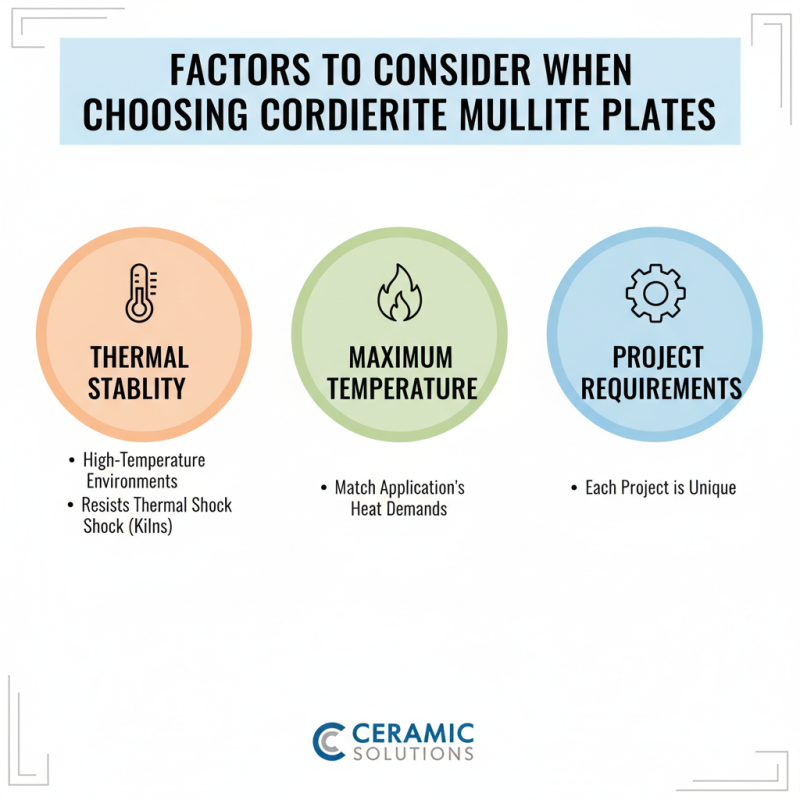
When selecting cordierite mullite plates, consider their thermal stability. These plates excel in high-temperature environments. They resist thermal shock, making them ideal for kilns. Understand the maximum temperature your application demands. Each project has unique heat requirements.
Next, think about the dimensions you need. Cordierite mullite plates come in various sizes. Custom sizing is also possible, but it often involves lead times. Precision in measurement is critical. Even minor errors can lead to significant issues in performance.
Another aspect to consider is the application type. Do you need these plates for industrial processes or pottery? Each use case varies. Research indicates that industrial applications often have stricter standards. Consult with experts if unsure. Their experience can guide you toward the right choice. Be open to feedback. Sometimes, the best choice might differ from your initial preference.
Different Types of Cordierite Mullite Plates Available in the Market
When selecting Cordierite Mullite plates, understanding the different types available is crucial. These plates are known for their thermal stability and excellent resistance to thermal shock. You can find various types based on composition and application. For instance, standard Cordierite Mullite plates are versatile and widely used in kiln constructions. Meanwhile, advanced versions may offer improved strength and durability for specialized industries.
Tips: Consider the specific temperature range your application requires. Not every type of plate will perform well under extreme conditions. If you are unsure, consulting with a knowledgeable supplier can provide clarity.
Another option is selecting plates based on their porosity levels. Low porosity plates are dense and more suitable for high-stress environments. On the other hand, higher porosity plates can be beneficial for certain applications that require lighter weight. This nuanced choice can significantly impact performance.
Tips: Weigh the pros and cons of each type carefully. Test samples can help in making the right decision. Always keep in mind your unique operational needs while evaluating different plates.
Evaluating the Performance of Cordierite Mullite Plates for Specific Uses
When choosing cordierite mullite plates, understanding their performance is crucial. These materials excel in high-temperature environments, making them suitable for various applications. Their thermal shock resistance is a key characteristic. This ensures they withstand drastic temperature changes without cracking.
Consider the specific use before selection. Applications like kiln linings, refractory parts, and heat exchangers may have different requirements. Evaluate the temperature limits and thermal conductivity needed. For high-demand settings, a thicker plate might be necessary. Adjusting the dimensions can ensure durability.
Tips: Always check for consistency in material quality. Variations can affect performance significantly. Keep in mind the manufacturing process too. Some methods yield better properties than others. Regular testing can reveal unexpected weaknesses or exceed expectations. Don’t overlook feedback from previous users; firsthand insights are invaluable.
2026 How to Choose Cordierite Mullite Plates for Your Needs?
| Property |
Value |
Importance for Specific Uses |
| Thermal Stability |
Up to 1400°C |
Ideal for high-temperature applications like kilns and furnaces. |
| Thermal Shock Resistance |
Excellent |
Recommended for applications experiencing thermal cycling. |
| Density |
2.4 g/cm³ |
Relevant for applications requiring lightweight materials with high strength. |
| Dimensional Stability |
High |
Critical for precision parts in industrial applications. |
| Chemical Resistance |
Moderate |
Suitable for environments with limited chemical exposure. |
Cost-Effective Strategies for Sourcing Cordierite Mullite Plates
When sourcing cordierite mullite plates, cost-effectiveness should be a priority. Begin by researching different suppliers and comparing their prices. Some manufacturers may offer bulk discounts, which can significantly lower your overall cost. Don’t overlook the value of local suppliers; they often have lower shipping costs and faster delivery times.
Consider the material specifications you need. Cordierite mullite plates vary in density and thermal stability. Clearly defined requirements can minimize wasteful spending. Engage with experts or consultants who can provide insights on your specific applications. Sometimes, you might find options that are cheaper but meet your needs just as effectively.
Evaluate customer feedback on various suppliers. This can be a reliable indicator of quality and service. Always ask for samples before making large purchases. Testing the samples can prevent costly mistakes. Remember, the cheapest option may not always be the best choice. Consider long-term durability and performance as factors in your decision. Review your choices periodically to ensure they still meet your evolving needs.