Why Choose Cordierite Mullite Sagger for Your Ceramics Needs?
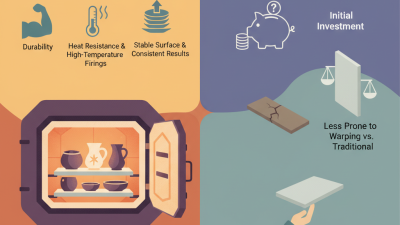
In the world of ceramics, the choice of materials can significantly impact the quality of the final product. A Cordierite Mullite Sagger is increasingly recognized for its superior properties. According to the latest industry reports, ceramics produced using Cordierite Mullite Saggers exhibit a reduction in thermal shock and improved dimensional stability. This makes them ideal for high-temperature applications.
Dr. Emily Sanders, a renowned expert in ceramic materials, states, “Using a Cordierite Mullite Sagger changes the performance landscape for ceramics.” Her research suggests that these saggers not only enhance durability but also contribute to better energy efficiency during firing. The low thermal expansion of cordierite helps prevent warping and cracking.
However, manufacturers may still face challenges. Understanding the proper firing schedules can be complex. Not every sagger is built equally; some may not withstand intense conditions. As the industry evolves, ongoing evaluations are crucial. Diving into the specifics of Cordierite Mullite Saggers is essential for anyone serious about ceramics production.

Understanding Cordierite Mullite Sagger and Its Composition
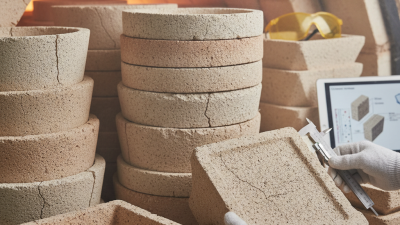
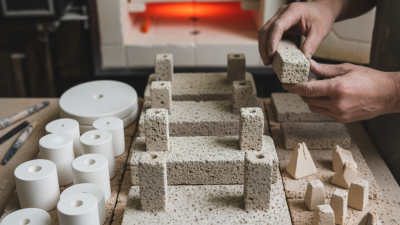
When it comes to ceramics, choosing the right sagger is essential. A cordierite mullite sagger stands out due to its unique composition. This material combines cordierite and mullite, providing excellent thermal shock resistance. It can endure high temperatures without deformation, making it ideal for various ceramic applications.
Cordierite mullite is particularly beneficial in firing processes. Its low expansion rate minimizes warping of ceramics. Artisans appreciate how it supports consistent firing, leading to higher-quality results. The composition allows for uniform heat distribution, reducing the chances of defects.
Tips: Always inspect the sagger for cracks before use. Regular maintenance can enhance longevity. Remember, proper loading techniques prevent uneven heating.
Using a cordierite mullite sagger isn’t without challenges. Some users report it may be prone to surface pitting. This could impact the final product. Identifying ideal firing schedules is key. Continuous testing may be essential to refine your approach. Balancing quality and performance in your ceramics can lead to better outcomes.
Advantages of Using Cordierite Mullite for Ceramic Applications
Cordierite mullite is a popular choice for ceramic applications due to its unique properties. It offers excellent thermal shock resistance and stability, crucial for high-performance ceramics. According to a recent industry report, materials with cordierite mullite composition can withstand temperature changes of up to 800 degrees Celsius without compromising structural integrity. This resilience allows manufacturers to create ceramics suited for both high and low-temperature environments.
In addition to thermal properties, cordierite mullite exhibits low thermal expansion. This characteristic minimizes the risk of warping or cracking during firing. A study published in the Journal of Materials Science indicates that components made from cordierite mullite show a thermal expansion coefficient significantly lower than traditional ceramic materials. Lower expansion rates lead to more reliable and durable products.
However, there are challenges to consider. Cordierite mullite production may require additional processing steps compared to conventional materials, potentially increasing manufacturing costs. Adjustments in formulation and firing techniques can also affect the final product's quality, warranting further analysis. Overall, the advantages often outweigh the drawbacks, making it a worthy option for those in the ceramics industry.
Comparative Analysis: Cordierite Mullite vs. Other Sagger Materials
When exploring materials for ceramic saggers, cordierite mullite stands out in several key areas. This material blends excellent thermal shock resistance with durability. According to a study by the American Ceramic Society, cordierite mullite can withstand rapid temperature changes better than most alternatives. This characteristic is essential for firing processes that require high thermal stability.
In contrast, traditional clay or silica-based saggers may not provide the same performance. A report from the Journal of Materials Science indicates that these materials often exhibit higher rates of thermal expansion. This can lead to warping or cracking, resulting in significant production losses. Using cordierite mullite can mitigate these concerns.
Moreover, cordierite mullite exhibits low porosity, minimizing contamination risks. Ceramics fired in these saggers tend to have smoother surfaces. Conversely, saggers made from less advanced materials may leave surface imperfections. While cordierite mullite is more expensive upfront, its benefits can justify the cost over time. This decision requires careful consideration, as not all production lines may need such advanced materials.
Factors to Consider When Choosing a Sagger for Ceramics
When selecting a sagger for ceramics, several factors come into play. The thermal properties of the material significantly affect performance. Cordierite mullite saggers are renowned for their ability to withstand high temperatures. Research indicates they can endure up to 1400°C, providing essential support during firing processes.
Another crucial aspect is the chemical composition. Sagger materials should resist reactions with ceramic glazes. According to industry reports, improper material selection can lead to contamination, compromising your ceramics' quality. Investing in high-quality materials ensures a smoother firing process and minimizes defects.
**Tips**: Always conduct a thermal expansion test when choosing your sagger. This small step can save time and resources. Consider the weight of the saggar; lighter options can reduce energy costs during firing. Pay attention to personal experience, as it offers valuable insights into long-term durability.
Best Practices for Maintaining Cordierite Mullite Saggers
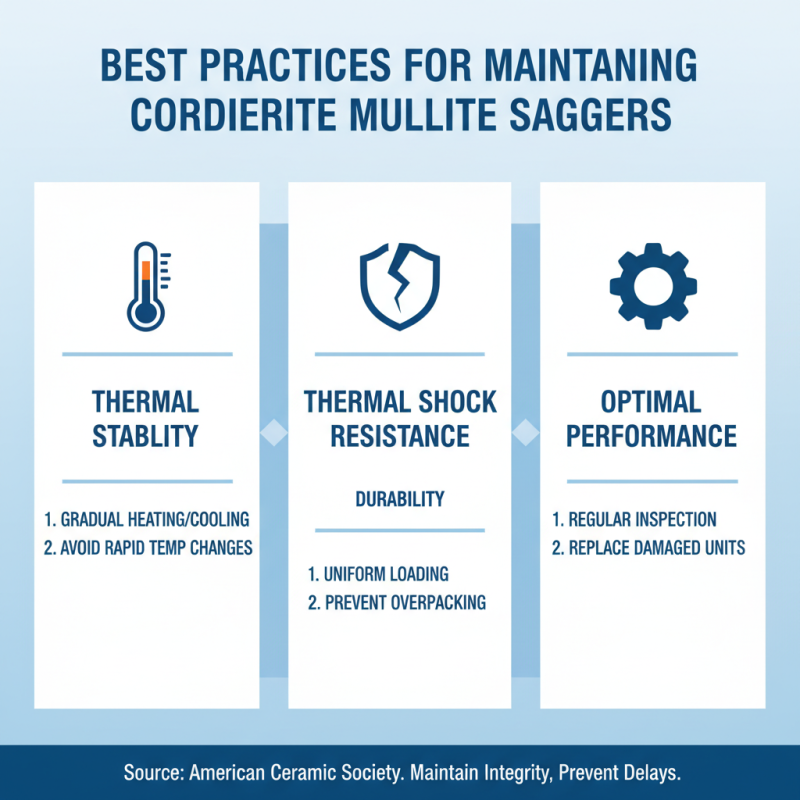
When considering the use of cordierite mullite saggers in ceramics, proper maintenance is crucial for optimal performance. Cordierite mullite offers excellent thermal stability and resistance to thermal shock, making it a preferred material among ceramic manufacturers. According to the American Ceramic Society, maintaining the integrity of saggers can prevent costly production delays.
Regular inspections should be a routine part of your maintenance practice. Check for wear and cracking, as these can lead to significant failures during firing. Reports suggest that saggers subjected to frequent use may show signs of degradation within a few months. Noticing these signs early can allow for timely repairs or replacements.
To extend the lifespan of your cordierite mullite saggers, controlling the firing atmosphere is important. Excessive exposure to reducing environments can weaken the material. Moreover, avoiding abrupt temperature changes during the heating and cooling cycles reduces the risk of thermal shock. Remember, even high-quality materials require diligent care to perform effectively over time. Regular evaluation of performance can enhance your overall output and minimize unexpected disruptions.