How to Choose the Right Refractory Sagger at 2026 Canton Fair?
Choosing the right Refractory Sagger at the 2026 Canton Fair requires thoughtful consideration. Industry expert Dr. John Wu emphasizes, "The right sagger can enhance production efficiency." This insight reflects the importance of selection in ensuring high-quality output.
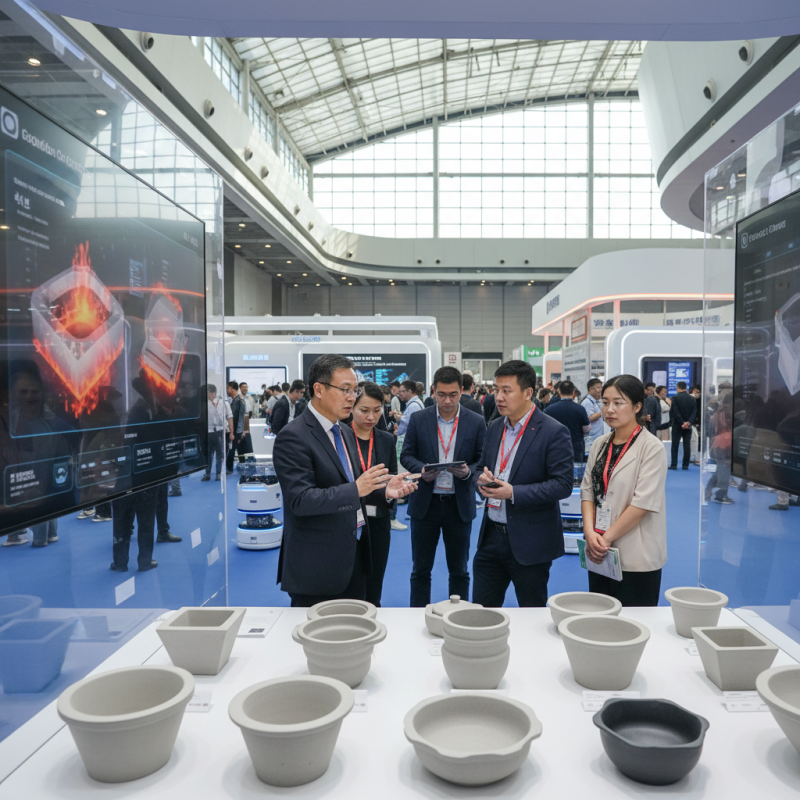
The 139th Canton Fair, happening from April 15 to May 5, 2026, offers a modernized experience. Advanced AI technology will assist buyers in locating suppliers with necessary certifications like ISO and CE. This facilitates a more efficient navigation within a vast 1.55 million square meter venue.
Attendees should focus not only on pricing and appearance but also on long-term performance. A Refractory Sagger must withstand extreme conditions and provide durability. Reflecting on past choices can reveal mistakes made when prioritizing cost over quality. Careful evaluation of materials and specifications will lead to better decisions at the fair.
Understanding Refractory Saggers and Their Importance in Manufacturing
Refractory saggers play a critical role in manufacturing processes. They are essential in supporting and protecting refractory items during firing. Understanding their importance can help manufacturers improve efficiency.
These saggers should withstand high temperatures and chemical erosion. Choosing the right material is crucial. Various materials are available, but they differ in durability and cost. Assessing your production needs is vital. Mistakes in selection can lead to costly failures.
Manufacturers often overlook the significance of proper sizing. A mismatch can lead to instability. Testing different configurations can yield better results. Regular evaluations can also reveal potential weaknesses in used saggers, prompting timely replacements. Keeping an eye on new designs and innovations can further enhance your manufacturing processes.
How to Choose the Right Refractory Sagger at 2026 Canton Fair?
| Material Type |
Temperature Resistance (°C) |
Application Area |
Key Features |
Cost Range (USD) |
| Alumina |
1600 |
Ceramics |
High thermal stability |
100 - 200 |
| Silica |
1650 |
Glass production |
Excellent thermal shock resistance |
150 - 250 |
| Zirconia |
1900 |
Metallurgy |
High strength and durability |
300 - 500 |
| Magnesite |
1550 |
Steel making |
Good creep resistance |
80 - 150 |
Key Factors to Consider When Choosing Refractory Saggers
Choosing the right refractory sagger at the Canton Fair is important for your business. Key factors play a significant role in making the right decision. Pay attention to the materials used for the sagger. They should withstand high temperatures and resist wear. Consider the size and shape needed for your specific applications.
When evaluating refractory saggers, you might want to examine their thermal conductivity. This aspect can greatly affect efficiency. A well-designed sagger will enhance heat distribution. Inefficient saggers can lead to operational setbacks. Sometimes you might overlook this detail, but it can be crucial.
Tips: Look closely at supplier reviews and their service history. Engage with company representatives to gather more insights. Ask about testing methods they use to ensure quality. Don’t rush into buying. Reflect on your production needs and future plans while making your choice. A rushed decision can lead to costly mistakes down the road.
Material Types: Selecting the Best Refractory for Your Needs
When choosing a refractory sagger at the 2026 Canton Fair, material type is crucial. Refractories vary in composition. Common materials include alumina, silica, and magnesia. Each serves a different purpose.
Alumina offers excellent thermal stability. It withstands high temperatures well. Silica is good for lightweight applications. It is less durable but cost-effective.
Magnesia, being highly resistant to basic slags, is ideal for steelmaking.
Understanding your specific needs matters. Think about the operating temperature and what you’ll use the sagger for. For example, does your process require high thermal shock resistance? If so, alumina might be your best choice. However, if it's lightweight insulation, silica could work better.
Remember to assess the mechanical strength required as well. A weak sagger could break under high loads.
Finally, reflect on your options carefully. Don’t rush your choice just because it’s a trade fair. Smarter decisions come from evaluating all options.
Check for quality certifications too. Ask questions and seek advice from industry experts. This step could save you future headaches. Neglecting to do so might bring you unexpected challenges later.
Analyzing Manufacturer Credibility and Product Quality
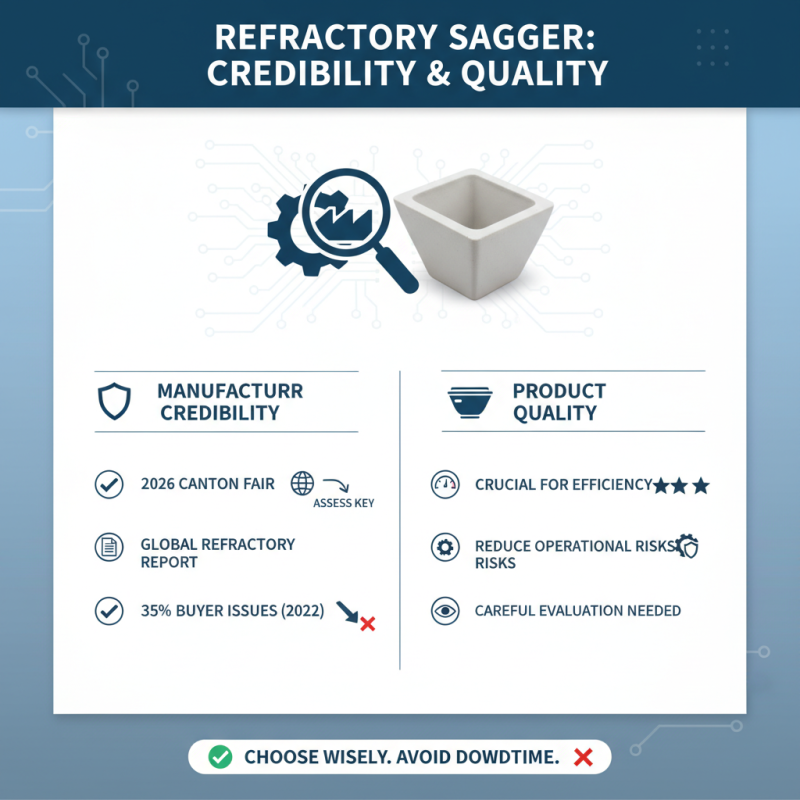
Choosing the right refractory sagger is crucial for operational efficiency. At the 2026 Canton Fair, assessing manufacturer credibility is key. According to the Global Refractory Industry Report 2022, nearly 35% of buyers experienced issues with product quality. This highlights the need for careful evaluation.
Check for certifications and industry awards. A reputable manufacturer often possesses ISO certifications, which affirm quality standards. Moreover, ask for references and testimonials. A company’s history can reveal much about its reliability. Engaging with other buyers can provide insights.
Quality should not be overlooked. Sagger materials need high-temperature resistance and durability. The industry reports indicate that over 25% of refractory failures stem from substandard materials. Understanding material composition is critical. If a sagger fails prematurely, it results in production delays and unexpected costs. Not every manufacturer meets the standards that they advertise.
Assessing Cost-Effectiveness and Longevity of Refractory Saggers
Choosing the right refractory sagger involves careful consideration of cost-effectiveness and longevity. Refractory saggers are critical in various industries, particularly ceramics and glass. A recent report indicated that the global refractory market will reach $34 billion by 2026, underscoring the need for quality materials.
Longevity is a key factor. A high-quality sagger may cost 20% more initially but can last up to 30% longer than cheaper options. This longevity ultimately saves costs on replacements and operational downtime. Companies often underestimate the long-term costs associated with inferior products. Investing in durable refractory saggers not only enhances productivity but also reduces waste.
**Tip:** Always check the thermal stability and chemical resistance of saggers. These properties significantly affect performance under high temperatures.
Considering specific operational needs is crucial. For instance, different materials may perform differently under similar conditions. Conducting trials with samples is advisable. It allows an assessment of both performance and wear.
**Tip:** Don’t rely solely on vendor claims. Consult with industry experts to verify material specifications before purchase. This step ensures you make informed decisions that align with your operational goals.
Refractory Sagger Cost-Effectiveness and Longevity Comparison