How to Choose the Best Corundum Mullite Sagger for Your Needs?
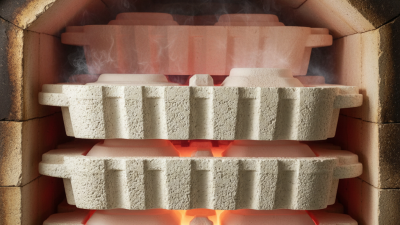
Choosing the best Corundum Mullite Sagger is crucial for achieving desired performance in high-temperature applications. These saggers play a vital role in the ceramics industry, providing support and protection during the firing process. Understanding the right properties of a Corundum Mullite Sagger can greatly enhance the quality of finished products.
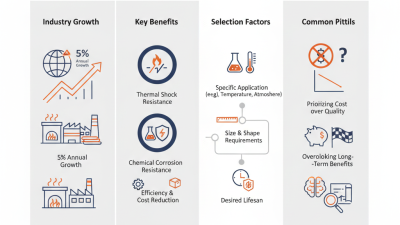
Factors to consider include thermal shock resistance, size, and composition. A sagger that can withstand rapid temperature changes will ultimately save time and reduce costs. It is essential to evaluate your specific needs and the materials you will use. Consult with experts in the field, as their insights can influence your decision.
However, not all saggers will meet every requirement perfectly. It is common to encounter challenges when selecting the right one. Balancing between quality, durability, and price may require some compromises. Reflecting on these factors can lead to more informed choices and greater satisfaction in your ceramic production process.
Understanding Corundum Mullite Sagger and Its Applications
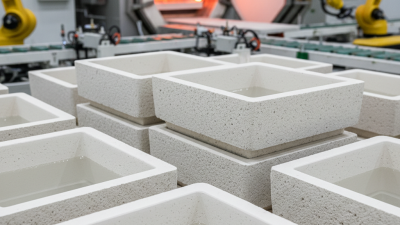
Corundum mullite saggers are essential in high-temperature applications. These products excel in industries like ceramics and metallurgy. They are designed to withstand extreme conditions. Their durability and thermal stability make them a favorite among manufacturers.
Understanding the properties of corundum mullite is crucial. This material combines alumina and silica, offering high resistance to thermal shock. Additionally, it supports products during firing processes, ensuring uniform heating. This is particularly important for delicate ceramic pieces that could crack under stress.
When selecting a sagger, consider the size and shape needed for your specific applications. The correct fit influences performance and longevity. Reflecting on past choices may reveal areas for improvement. Each application is unique, and a one-size-fits-all approach often leads to challenges down the line.
Key Factors to Consider When Choosing a Corundum Mullite Sagger
When selecting a corundum mullite sagger, consider its thermal stability. High temperatures are common in various applications. A strong sagger minimizes thermal shock. This reduces the risk of cracking and ensures product integrity during firing processes. Look for sagger options designed for intense heat. They should withstand drastic temperature changes.
Next, assess the material composition. Corundum mullite is known for durability. However, variations exist. Some saggers may contain more impurities than others. This affects performance. Evaluate any available technical data sheets for insights. Reliable information can guide your decision on quality.
Evaluate the size and shape as well. Not all facilities require the same dimensions. Customization can be a factor here. A perfect fit enhances functionality. It can impact kiln efficiency. After all, dimensions that don’t align can lead to waste. It’s worth reflecting on your specific needs and usage frequency. Adjustments may be necessary over time.
Evaluating Size and Shape Requirements for Your Sagger
Choosing the right size and shape for your corundum mullite sagger is crucial. The sagger must accommodate your specific materials and processes. A well-chosen sagger can enhance efficiency in firing and protect your products. Consider the dimensions carefully. An ill-fitting sagger can lead to uneven firing or even damage.
Take into account the size of your kiln too. A larger sagger may seem advantageous, but it can waste space and energy. Conversely, a smaller sagger might not hold sufficient pieces, leading to frequent loading and unloading. You want to strike a balance. Exceptions exist in certain scenarios where a unique shape is necessary to fit specific items.
Pay attention to the shape as well. Rounded edges can help with heat distribution, while flat surfaces may be better for stability. Reflect on your past experiences with different saggers. Did they perform optimally? Were there issues you overlooked? Each aspect matters significantly because the wrong choice could affect the overall production cycle.
Assessing Thermal Properties and Resistance of Sagger Materials
When selecting a corundum mullite sagger, assessing thermal properties is crucial. The thermal conductivity of the material affects how evenly heat is distributed. High thermal shock resistance ensures durability during rapid temperature changes. Look for saggers made with high-purity alumina to enhance performance. This choice reduces the likelihood of thermal stress and cracking.
The resistance of sagger materials is also essential. Consider the melting point and corrosion resistance. These factors significantly influence the sagger’s lifespan in industrial settings. Even slight imperfections in material composition can lead to failures under extreme conditions. Perform regular inspections to identify any signs of wear. This proactive approach helps maintain optimal performance levels and prevents costly downtimes.
Achieving the perfect balance between thermal properties and mechanical strength requires careful consideration. Analyze your specific needs and operating conditions. External factors, such as the type of kiln environment, may also impact material effectiveness. Take your time when making decisions; rushing could lead to unsuitable choices that compromise efficiency. Being informed and cautious pays off in the long run.
How to Choose the Best Corundum Mullite Sagger for Your Needs?
| Material Type |
Thermal Conductivity (W/m·K) |
Compressive Strength (MPa) |
Max Service Temperature (°C) |
Density (g/cm³) |
| Corundum Mullite |
25.0 |
150 |
1800 |
3.0 |
| Silicon Carbide |
120.0 |
200 |
1600 |
3.1 |
| Alumina Silicate |
30.0 |
80 |
1500 |
2.5 |
| Zirconia |
20.0 |
300 |
2200 |
6.0 |
Cost vs. Quality: Making an Informed Decision on Sagger Purchase
When considering the purchase of a corundum mullite sagger, evaluating cost versus quality is essential. Lower-priced saggers might seem appealing, but they often lack the durability needed for high-temperature applications. Cheaper materials can crack or degrade faster, leading to increased replacement costs over time. Thus, the initial savings may not be worth it when you factor in potential losses from damage and frequent replacements.
Quality saggers are typically made from high-grade materials, ensuring longevity and consistent performance. While the upfront cost is higher, think about the long-term benefits. A durable sagger can withstand harsh conditions, reducing downtime in your operation. Research the manufacturing processes and material specifications to assess quality. Ask industry professionals for their opinions on what has worked best over time.
You might face dilemmas when balancing your budget and quality needs. Some options may look tempting but could lead to unforeseen issues. A low-cost choice might fit your current finances but examine the potential impacts on productivity and safety. It’s crucial to weigh these factors carefully before making a decision. Finding the right balance will ultimately enhance efficiency in your operations.