How to Choose the Right Cordierite Mullite Sagger for Your Kiln Needs
In the rapidly evolving ceramics industry, the selection of the appropriate Cordierite Mullite Sagger is crucial for optimizing kiln performance and product quality. A recent market analysis by the Ceramics Industry Association revealed that the demand for high-performance saggers, particularly those made from cordierite and mullite materials, has surged by approximately 15% annually over the past five years. This trend highlights an increasing awareness among manufacturers about the benefits that such saggers offer, including enhanced thermal stability and resistance to thermal shock.
Experts agree on the significance of making an informed choice. John Smith, a noted specialist in ceramic materials, emphasizes, "Choosing the right Cordierite Mullite Sagger can profoundly affect not only the efficiency of the kiln but also the final characteristics of the ceramic products. A poorly chosen sagger might lead to defects that are costly and time-consuming to rectify." As manufacturers strive to improve sustainability and operational efficiency, understanding the specific requirements of their kiln setups becomes essential. In this guide, we will explore key considerations in selecting the right Cordierite Mullite Sagger for various kiln needs, ensuring the best possible outcomes for your production line.
How to Identify the Correct Specifications for Cordierite Mullite Sagger
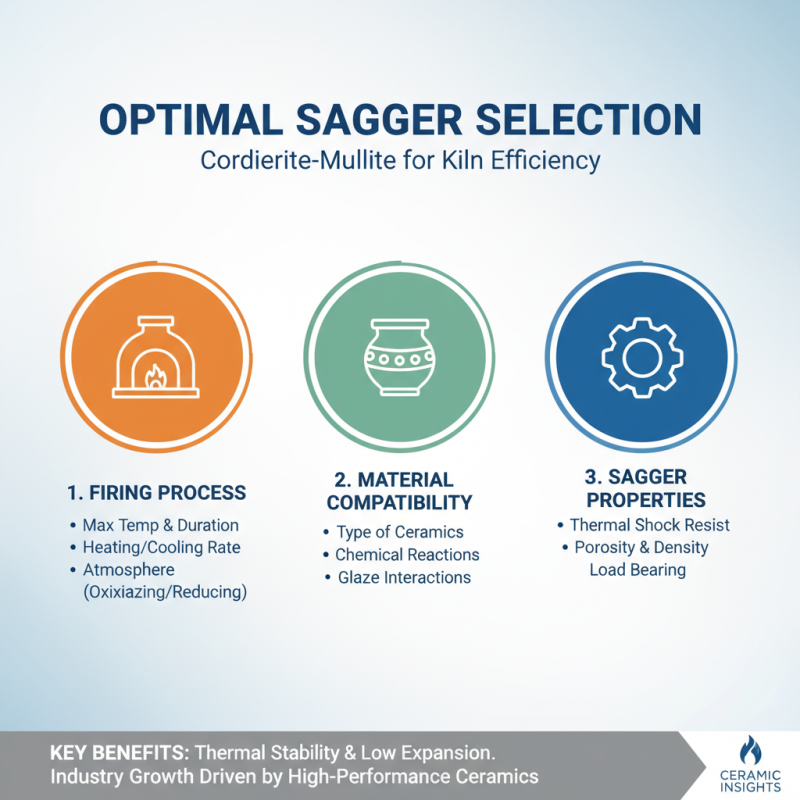
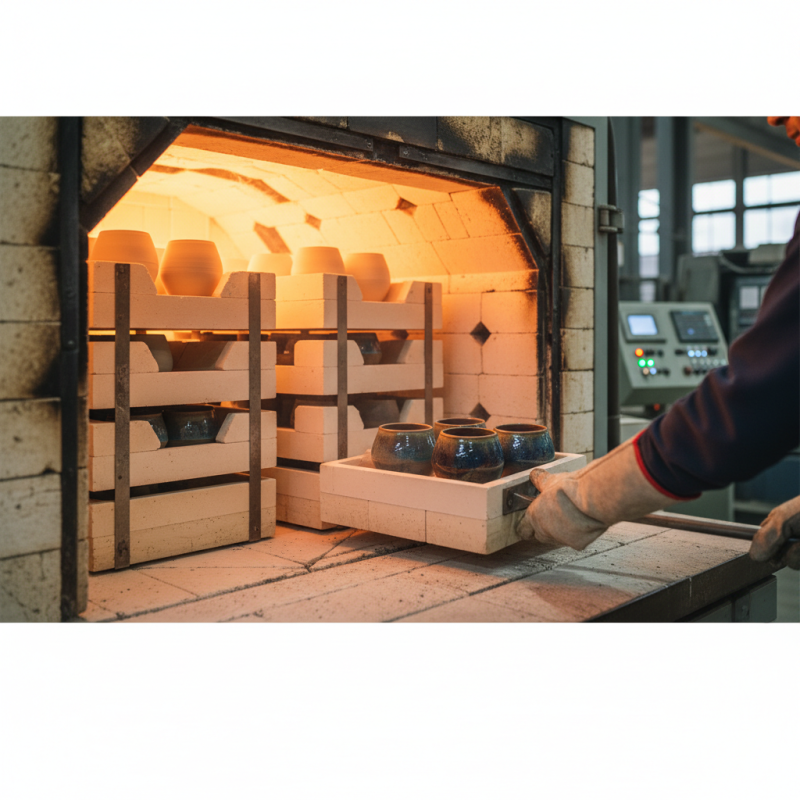
When selecting the right cordierite mullite sagger for your kiln needs, it's crucial to identify the correct specifications tailored to your specific firing processes. Cordierite mullite is favored for its excellent thermal shock resistance and low expansion rates, making it an ideal choice for high-temperature applications. According to industry reports, such as those from the American Ceramic Society, these saggers can withstand operating temperatures up to 1400°C while maintaining structural integrity, thus ensuring optimal kiln performance.
One of the key specifications to consider is the sagger's dimension and capacity, as it must align with the size of the items being fired. Calculating the volume of the kiln and understanding the loading patterns will help in selecting a sagger that maximizes efficiency without compromising safety. Furthermore, material thickness plays a crucial role in thermal insulation and durability; reports indicate that thicker saggers offer better insulation but may affect heat distribution. Therefore, evaluating the specific heating profile of your kiln is essential in determining the ideal thickness and formulation of your cordierite mullite sagger.
Understanding the Thermal Characteristics of Cordierite and Mullite Materials
When selecting a cordierite mullite sagger for your kiln, understanding the thermal characteristics of the materials involved is critical. Both cordierite and mullite are widely recognized for their excellent thermal stability and shock resistance, making them ideal choices for high-temperature applications. Cordierite, known for its low thermal expansion, minimizes the risk of cracking under sudden temperature changes, which is essential during the firing process of ceramics and other materials. Its ability to withstand repeated heating and cooling cycles contributes significantly to the longevity of kiln components.
On the other hand, mullite offers exceptional strength and thermal stability, particularly at elevated temperatures. Its high mechanical strength makes it suitable for supporting heavy loads within the kiln environment. Mullite’s superior thermal shock resistance enables it to handle abrupt temperature fluctuations without compromising structural integrity. When these two materials are combined in a sagger, the resulting product harnesses the advantages of both, providing a reliable solution for kilns operating under demanding conditions. Understanding the unique properties of cordierite and mullite is essential for making informed choices that meet specific kiln requirements, ultimately enhancing the efficiency and effectiveness of the firing process.
Evaluating the Impact of Kiln Temperature on Sagger Performance and Longevity
When selecting a cordierite mullite sagger for kiln use, understanding the impact of kiln temperature on the sagger's performance and longevity is crucial. The temperature during firing can significantly affect the structural integrity of the sagger. Higher temperatures can lead to thermal shock, which can compromise the material’s durability over time. Therefore, it’s essential to choose saggers that can withstand the specific temperature ranges of your kiln while ensuring optimal support for the items being fired.
Tips: To increase the lifespan of your sagger, consider using a gradual heating process. Gradually raising the temperature allows the sagger to expand evenly, minimizing the risk of cracking due to thermal stress. Additionally, monitor your kiln’s temperature closely and make sure not to exceed manufacturer recommendations, as doing so can dramatically impact sagger longevity.
Moreover, it's important to evaluate the type of materials you are firing. Certain ceramics may require different temperature profiles, affecting how the sagger performs. The better the compatibility between the sagger material and the items being fired, the more efficient the kiln operation will be. Keep in mind that regular inspections of the saggers can help identify signs of wear and tear, ensuring that you replace them before they become a liability in your production process.
Comparing Different Types of Cordierite Mullite Saggers for Specific Applications
When selecting the right cordierite mullite sagger for kiln needs, it is imperative to consider the specific applications and requirements of the firing process. Cordierite mullite saggers, known for their thermal stability and low thermal expansion, play a crucial role in the ceramics and pottery industry. According to a report by ResearchAndMarkets, the global market for ceramic materials, including saggers, is projected to grow significantly, with increasing demands for high-performance ceramics in various manufacturing sectors.
Different types of cordierite mullite saggers are tailored for specific firing conditions. For instance, those designed for high-temperature applications typically feature enhanced alumina content, which can withstand temperatures exceeding 1,500°C without compromising structural integrity. Studies have indicated that utilizing optimized sagger forms can result in a reduction of warping and improved product quality, as measured by less than 1% deformation during firing. Additionally, saggers with optimized designs can enhance the efficiency of energy usage in kilns, reducing overall operational costs and environmental impact.
Moreover, the choice of sagger must take into account the nature of the materials being fired. For example, saggers used when firing porcelain might differ in design and composition from those employed for stoneware applications. With advancements in material science, the development of lightweight yet robust saggers has garnered attention, as they can facilitate improved heat distribution and reduced weight in kiln loading processes. Manufacturers are increasingly focused on customizing these products to meet specific customer needs, ensuring enhanced performance for varied applications.
Analyzing Cost-Effectiveness and Quality in Cordierite Mullite Sagger Selection
Choosing the right cordierite mullite sagger is essential for maximizing kiln performance while maintaining cost-effectiveness. According to a report by the Refractories Institute, the thermal stability and low thermal expansion properties of cordierite-mullite compositions make them ideal for high-temperature applications, with optimal usage temperatures reaching up to 1400°C. This stability helps in minimizing defects in ceramic products, ensuring consistent quality outputs, which can ultimately reduce waste and improve production efficiency.
When considering the cost-effectiveness of various sagger options, it's crucial to look beyond the initial purchase price. A study from the International Ceramic Society noted that while high-quality cordierite mullite saggers might come at a premium, they often lead to significant savings in maintenance and replacement costs due to their durability and reliability. For instance, facilities using lower-quality saggers reported up to a 30% higher frequency of replacements, underscoring the long-term financial advantage of investing in quality materials. By analyzing these factors, manufacturers can make informed choices that balance upfront costs with overall lifecycle savings, ensuring that their kiln operations remain both efficient and economically viable.
Cost-Effectiveness and Quality of Cordierite Mullite Saggers
This chart presents an analysis of cost-effectiveness and quality ratings for cordierite mullite saggers used in kilns. The performance is assessed based on factors such as thermal stability, resistance to thermal shock, and overall cost-efficiency.