How to Choose the Right Corundum Mullite Plate for Your Needs?
Choosing the right Corundum Mullite Plate is crucial for various industrial applications. Experts like Dr. John Smith, a leading specialist in ceramic materials, once stated, "Selecting the right properties of Corundum Mullite affects performance significantly." Understanding your specific needs helps guide your choice.
When considering Corundum Mullite Plates, think about factors like thermal stability and durability. Each application demands different specifications. For instance, high-temperature furnaces require superior heat resistance. On the other hand, some applications prioritize mechanical strength. It’s essential to assess where you will use the plates.
Not all suppliers provide the same quality standards. Look for certifications such as ISO or CE when sourcing materials. The recent advancements in AI technologies at trade shows have improved how buyers evaluate options. However, there is still room for improvement in navigating these choices efficiently. Consider your options carefully before making a decision.

Understanding Corundum Mullite Plates: Composition and Characteristics
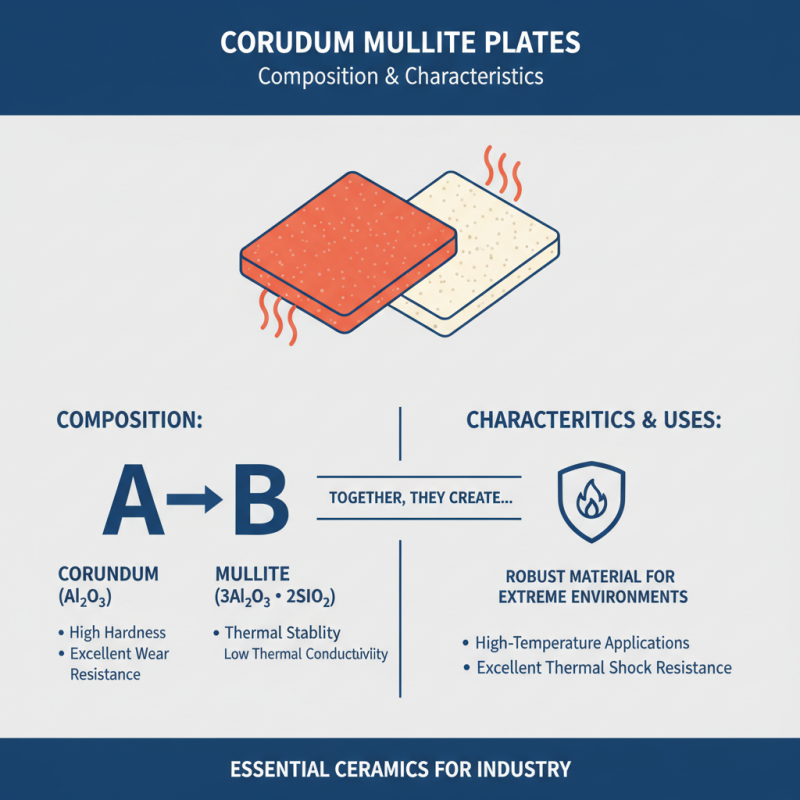
Corundum mullite plates are essential materials in various high-temperature applications. These plates are primarily composed of corundum and mullite, which provide unique thermal properties. Corundum contributes high hardness and excellent wear resistance. Mullite offers stability and low thermal conductivity. Together, they create a robust material suitable for extreme environments.
When selecting a corundum mullite plate, consider your specific needs. Analyze the temperature range and chemical exposure of your application. Some may overlook the importance of proper thickness, which affects durability. A thin plate might not withstand intense conditions as effectively as a thicker option. Additionally, note that not all plates are created equal; variations in composition can lead to different performance outcomes.
Quality control can sometimes be inconsistent. Testing samples from various sources is advisable before making a large purchase. Look for physical properties like density and porosity. This information will help ensure you choose a plate that meets your requirements. Don't hesitate to consult industry experts for insights; their experience can guide you in making an informed decision.
Key Factors to Consider When Choosing Corundum Mullite Plates
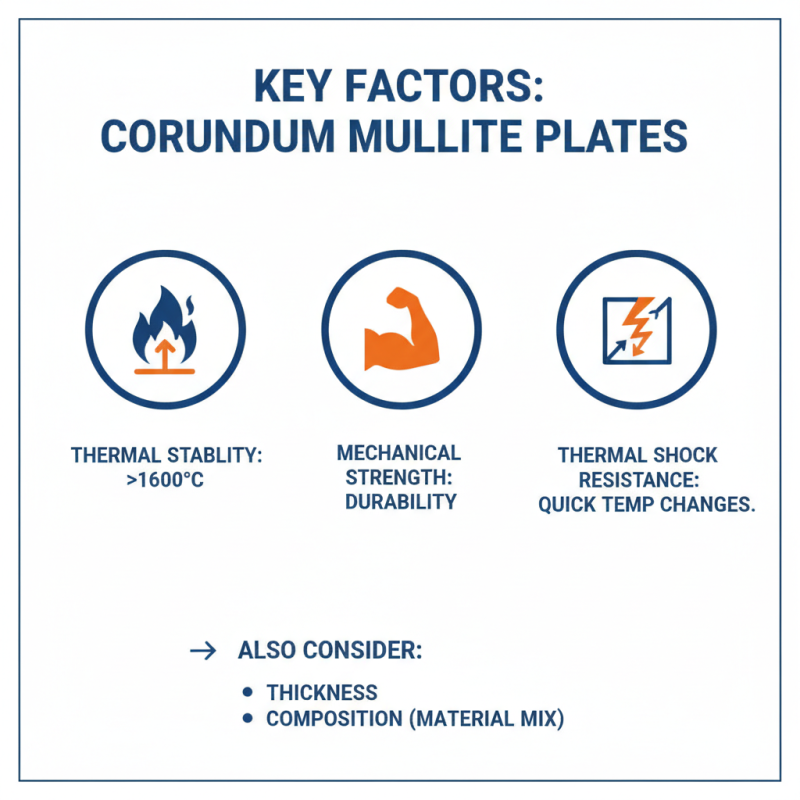
Choosing the right corundum mullite plate can significantly impact performance in high-temperature applications. The key factors include thermal stability, mechanical strength, and thermal shock resistance. Studies indicate that corundum mullite plates can withstand temperatures exceeding 1,600 degrees Celsius. These plates exhibit impressive thermal shock resistance, but factors like thickness and composition can influence performance.
Mechanical strength is another essential factor. Plates with higher alumina content typically exhibit better mechanical properties. Industry reports show that alumina content can range from 70% to 90%. Those compositions are often preferred for demanding applications. It’s crucial to balance these properties with the specific demands of your project.
When selecting, consider not just immediate needs but long-term performance. Some users focus on short-term gains, overlooking potential degradation factors. Variations in material quality can lead to compromised thermal stability. Reflecting on your application requirements and manufacturing tolerances is vital. Such introspection may prevent costly mistakes in the future.
Applications and Industries Utilizing Corundum Mullite Plates
Corundum mullite plates are used in various applications across multiple industries. Their unique properties make them ideal for high-temperature environments. They are widely found in petrochemical facilities for lining reactors. The strong thermal shock resistance helps maintain operational efficiency.
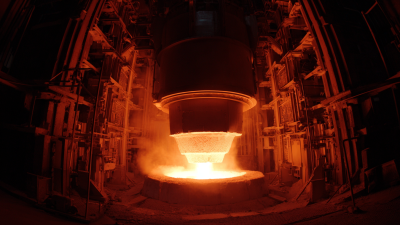
In steel manufacturing, these plates withstand extreme conditions. They are critical in furnaces where heat control is essential. However, picking the right plate can be intricate. The choice depends on temperature ranges and specific mechanical requirements. Some users report wear issues, leading to unexpected downtime.
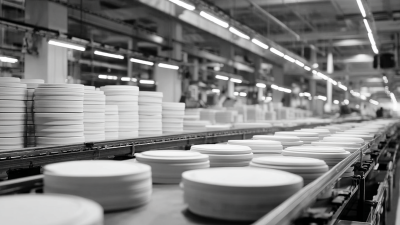
Ceramic industries also rely on corundum mullite plates. They help in kiln linings, improving durability and performance. Yet, not all plates perform equally across different settings. Users often find that adjustments are needed for optimal function. Understanding these variables can enhance overall application effectiveness, although it may require further experimentation.
How to Choose the Right Corundum Mullite Plate for Your Needs?
| Application |
Industry |
Temperature Resistance (°C) |
Key Properties |
Recommended Plate Thickness (mm) |
| Kiln Linings |
Ceramics |
1550 |
High thermal stability, low thermal conductivity |
25 |
| Refractory Castables |
Metallurgy |
1600 |
Excellent wear resistance, good thermal shock resistance |
30 |
| Heat Shields |
Aerospace |
1700 |
Low density, high strength |
15 |
| Thermal Insulation |
Construction |
1450 |
Lightweight, effective thermal insulation |
20 |
Comparing Different Grades of Corundum Mullite Plates
When selecting the right corundum mullite plate, it's crucial to understand different grades. Each grade offers unique characteristics, which impact performance in various applications.
High-grade options provide superior thermal stability and mechanical strength. However, they can also be more expensive.
Medium-grade plates offer a balance between cost and performance. They work well for many industrial applications. However, they may not withstand extreme conditions as effectively.
Low-grade alternatives are budget-friendly, but come with limitations. They may not last long in high-stress environments.
Choosing the right grade involves trade-offs. It’s essential to analyze your specific needs carefully.
Consider factors like the working environment and desired durability.
Mistakes in this choice can lead to premature failure. Over time, reflecting on past decisions can guide better choices in the future.
Different projects may require different grades. It’s not always a straightforward decision.
Best Practices for Maintaining Your Corundum Mullite Plates
Maintaining your corundum mullite plates is crucial for their longevity and performance. Regular cleaning is essential. Use a soft brush or cloth to remove dust and debris. Abrasive materials can scratch the surface, leading to premature wear. Avoid using harsh chemicals; they can damage the plates. Instead, warm water and mild soap are often sufficient.
Temperature management is also key. Corundum mullite plates can withstand high temperatures, but sudden changes can cause cracks. Gradual heating and cooling help maintain integrity. Monitor their use closely. If you notice any discoloration or cracks, it might be time for replacement.
Storage conditions matter too. Keep the plates in a dry, temperate environment. Excessive moisture can lead to degradation. If they are stacked, separate them with cloth to avoid scratches. Review your handling practices; careless handling may result in unforeseen damage. Reflect on your usage patterns and adjust as needed to extend the life of your plates.
Corundum Mullite Plate Performance Analysis
This bar chart represents the performance metrics of Corundum Mullite Plates across different parameters. The values indicate the effectiveness of the plates in each category, which is crucial for selecting the right plate for your needs.