Essential Tips for Choosing the Right Refractory Sagger?
Choosing the right refractory sagger is crucial for efficiency and quality in manufacturing. Expert Dr. John Smith, a leading authority in the refractory industry, states, "An optimal refractory sagger can enhance product integrity and reduce waste." This reflects the importance of selecting the appropriate materials and designs for specific applications.
The market offers various options, each with distinct properties. Refractory saggers must withstand extreme temperatures while providing suitable support for the materials being processed. Factors like thermal conductivity, durability, and chemical resistance play vital roles in the decision-making process. Yet, many businesses overlook these considerations.
Mistakes in choosing refractory saggers can lead to significant operational setbacks. A poorly selected sagger may cause defects in products, impacting overall productivity. It's essential to reflect on past choices and learn from them. Industries must prioritize understanding their unique needs when selecting refractory saggers to achieve long-term success.
Factors Influencing Refractory Sagger Selection in Industrial Applications
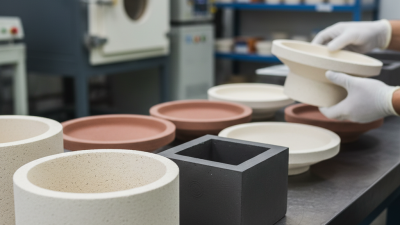
Choosing the right refractory sagger is crucial for various industrial processes. Several factors influence this decision. The material composition of the sagger determines its performance. It must withstand extreme temperatures while maintaining structural integrity. Consider whether the sagger's material can handle the specific thermal cycles of your application.
Another critical factor is the size and shape of the sagger. It should accommodate the items being fired without risk of deformation. A poorly sized sagger can lead to uneven distribution of heat, affecting product quality. Manufacturers often overlook this detail, prioritizing cost over functionality.
Finally, think about the manufacturing process of the sagger itself. The quality control measures in place can significantly impact the final product's reliability. If a sagger is not properly tested, it could lead to failures during high-stress conditions. Understanding these factors can guide better choices and improve operational efficiency. Careful consideration is essential to avoid costly mistakes.
Material Composition: Analyzing Common Types of Refractory Saggers
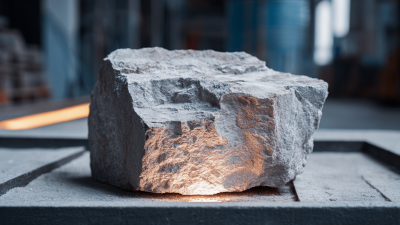
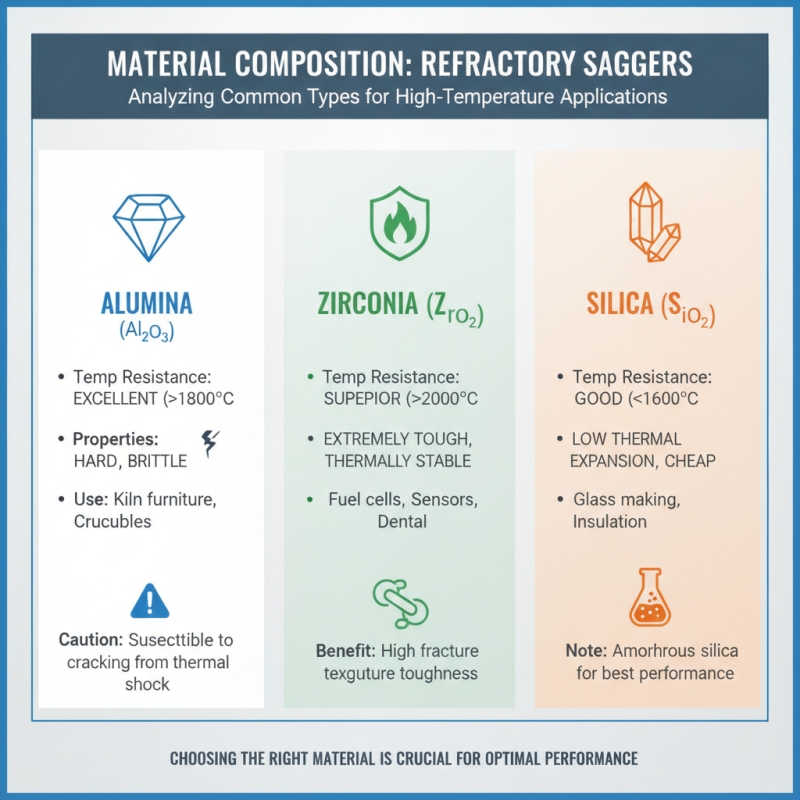
When selecting refractory saggers, understanding the material composition is crucial. Refractory saggers are designed to withstand high temperatures, often exceeding 1,500 degrees Celsius. Common materials include alumina, zirconia, and silica. Each type offers unique properties that affect performance. For instance, alumina provides excellent thermal resistance but can be brittle. This brittleness can lead to cracking under stress.
Zirconia, while more durable, is typically costlier and more challenging to source. It’s essential to evaluate the specific requirements of your application. Silica saggers are more common but may not hold up well under extreme temperatures. Ensuring compatibility between the sagger and your materials is paramount.
Choosing the right sagger also involves consideration of the manufacturing process. Are the saggers made using advanced techniques or traditional methods? This can impact durability. Pay attention to reviews and case studies. Learn from others' experiences. The journey to finding the ideal refractory sagger may not be smooth. Revisit your choice often, and adjust as needed. Making informed decisions will ultimately yield better results.
Thermal Properties and Their Impact on Refractory Sagger Performance
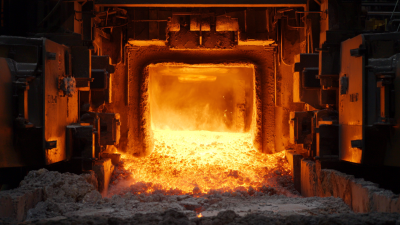
When selecting a refractory sagger, understanding its thermal properties is crucial. These properties determine how well the sagger can withstand extreme heat during processes such as ceramic firing. A sagger's thermal conductivity, thermal expansion, and heat capacity significantly impact its performance and durability.
High thermal conductivity can lead to faster heat transfer. This affects the material inside, potentially causing uneven firing. On the other hand, low thermal expansion is vital. It helps to maintain structural integrity under temperature changes. Choosing materials that balance these properties is essential to avoid common issues, like cracking or distortion.
Not every sagger performs similarly under various conditions. For instance, some may excel in high-temperature environments but fail in rapid temperature shifts. Experimenting with different types can lead to disappointments. Testing them in real firing scenarios is often necessary to gauge effectiveness. Understanding these nuances helps in making informed decisions.
Essential Tips for Choosing the Right Refractory Sagger
This chart illustrates the essential thermal properties of refractories that impact the performance of saggers, highlighting important factors to consider when selecting the right refractory material.
Understanding Sagger Dimensions and Their Role in Product Quality
When choosing a refractory sagger, dimensions are crucial. The size of the sagger affects how products are placed and fired in kilns. If the dimensions are incorrect, it can lead to uneven heating. This may cause product defects.
It’s essential to assess the dimensions based on the materials being processed. A sagger that is too large may allow for excessive movement during firing. On the other hand, a sagger that is too small can lead to crushing or damage. Both outcomes impact product quality and consistency.
Manufacturers should also consider the weight capacity of their saggers. Oversized or heavy products require robust saggers for support. This attention to detail can prevent costly production delays. While it's easy to overlook this aspect, ignoring it could lead to significant issues. Understanding these factors can enhance product quality and overall efficiency.
Essential Tips for Choosing the Right Refractory Sagger
| Dimension |
Standard Size (mm) |
Material Type |
Thermal Stability (°C) |
Weight (kg) |
Applications |
| Height |
300 |
Alumina |
1500 |
5 |
Ceramic firing |
| Width |
200 |
Fireclay |
1400 |
4 |
Glass melting |
| Length |
600 |
Silica |
1600 |
6 |
Metal treatment |
| Thickness |
50 |
High alumina |
1700 |
3.5 |
Industrial furnaces |
Cost-Benefit Analysis: Evaluating Investment in Quality Saggers
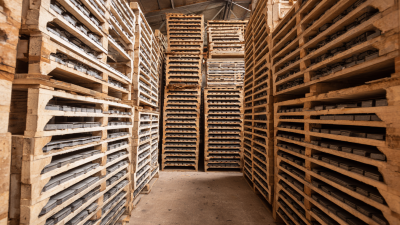
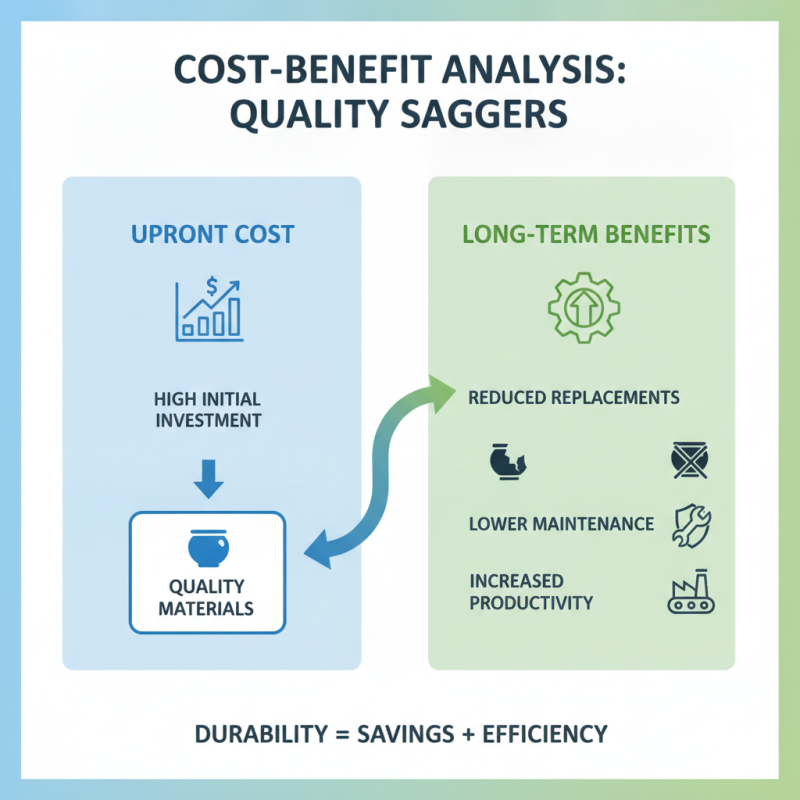
When considering refractory saggers, a cost-benefit analysis is vital. Quality saggers may have a higher upfront cost, but they often lead to significant savings in the long run. High-quality materials withstand high temperatures longer, reducing the need for frequent replacements. This durability not only lowers maintenance costs but also enhances overall productivity in manufacturing processes.
Investing in quality saggers also improves product quality. Inferior saggers can lead to defects during firing, impacting finished goods. These flaws can necessitate costly rework and waste, counteracting any initial savings from cheaper alternatives. Evaluate your needs carefully; sometimes, the short-term savings might lead to long-term losses.
It’s important to consider the intangible benefits of investing in quality. The reliability of top-grade saggers enhances workflow predictability. This consistency can lead to trust in production schedules. Yet, many overlook the significance of reliability. Balancing cost against potential disruptions is crucial for achieving a successful investment. Reflecting on past experiences aids in making informed choices for future purchases.