10 Essential Tips for Sourcing Porous Alumina Ceramics?
Porous Alumina Ceramics are gaining prominence in various industries due to their unique properties. Experts emphasize their importance in applications like filtration and catalysis. Dr. Emily Zhang, a leading researcher in ceramic materials, states, "Porous Alumina Ceramics are the backbone of modern filtration technology." Her insight highlights their crucial role in advancing industrial processes.
Sourcing Porous Alumina Ceramics requires careful attention to detail. The physical characteristics of these materials significantly impact their performance. Factors such as pore size, structure, and density must be evaluated rigorously. Not all suppliers meet stringent quality standards, making it essential to choose wisely. Reliability in sourcing can often reveal hidden challenges that require deeper knowledge and experience.
Understanding the intricacies of Porous Alumina Ceramics takes time and effort. While many suppliers advertise various advantages, not all deliver consistent results. It's vital to ask probing questions and examine certifications meticulously. Achieving success in this field means balancing expertise and practical insight. A long-term partnership with right suppliers can deepen your understanding and enhance your sourcing strategy.
Understanding Porous Alumina Ceramics and Their Applications
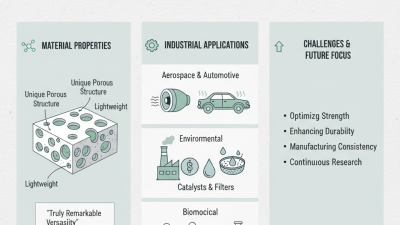
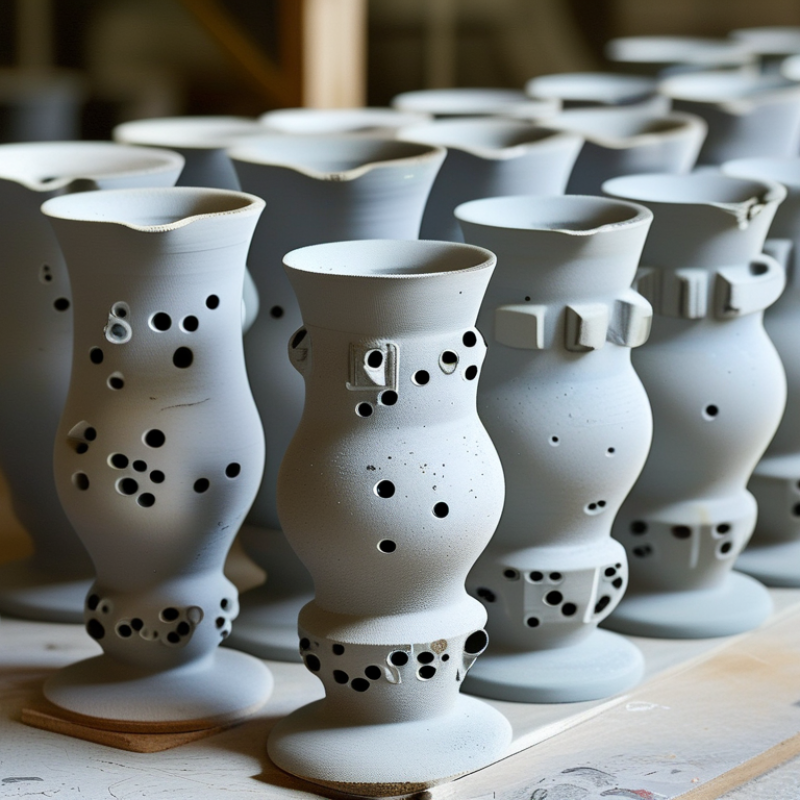
Porous alumina ceramics are gaining traction in various industries due to their versatile applications. These materials excel in filtration and catalysis. Their porous structure allows for efficient gas and liquid flow. In ceramics, the size and distribution of pores significantly impact the performance of the final product. This is crucial for applications such as bioengineering and environmental remediation.
Understanding the properties of porous alumina is essential for effective sourcing. Their mechanical strength and thermal stability make them ideal for high-temperature applications. Yet, sourcing must consider specific requirements like pore size and shape. Each application might demand different characteristics. As a result, collaboration with experts can be key in navigating these variables. Testing materials under relevant conditions often reveals unexpected performance issues.
Potential challenges in sourcing porous alumina ceramics include cost and availability. While they provide excellent performance, not all suppliers maintain quality consistency. Sourcing from established entities may ensure better reliability. However, smaller suppliers can offer unique solutions. It's important to conduct thorough evaluations, comparing specifications and understanding limitations. This careful approach can mitigate risks and improve overall sourcing strategies.
Identifying Key Properties for Ideal Sourcing of Porous Alumina
When sourcing porous alumina ceramics, it's crucial to identify key properties that suit specific applications. Start with porosity. High porosity enhances permeability, impacting filtration or insulation efficiency. Measure it accurately, as excessive porosity may weaken structural integrity. Analyzing pore size distribution is equally important, as it affects the material's performance in different environments. Smaller pores can enhance strength, while larger pores improve thermal insulation.
Next, consider the mechanical strength of the ceramics. This property determines how well the material can withstand pressure and stress. Uniformity in composition often leads to improved strength. Look for samples that have been rigorously tested to ensure reliability. Additionally, thermal stability is paramount. Porous alumina should maintain its properties over varying temperatures. Evaluate thermal shock resistance, especially for applications in extreme conditions.
Lastly, transparency in sourcing is essential. Engage in dialogues with suppliers about their production processes. Transparency can reveal a lot about material quality. Relying solely on certifications can be misleading, as not all standards are equal. Maintain a critical eye on the data provided. There might be gaps that need addressing. Balancing these properties can be challenging but crucial for successful applications.
10 Essential Tips for Sourcing Porous Alumina Ceramics
This chart represents the key properties to consider when sourcing porous alumina ceramics. The properties include porosity, thermal conductivity, compressive strength, and water absorption, which are essential for determining product suitability.
Evaluating Suppliers: Factors to Consider When Sourcing Alumina
When sourcing porous alumina ceramics, evaluating suppliers is crucial. Focus on their experience and expertise in the materials sector. A supplier's track record can reveal much about their capabilities. Look for those with a strong history in ceramics manufacturing. Ask for references to ensure they deliver quality products consistently.
Consider the supplier's production capabilities. Do they have the necessary technology and equipment? This is vital for ensuring the materials meet your specifications. Inspect their quality control processes. Reliable suppliers should have clear, documented procedures in place. Not all suppliers operate under the same standards. Some may overlook aspects of quality to cut costs.
Shipping and logistics are also important. Delays can impact your project timeline. Check how they handle order fulfillment and delivery schedules. It can be revealing to learn about their previous customer experiences. Gathering feedback from others can highlight potential issues. Remember, communication matters. A supplier's responsiveness can indicate their level of commitment. Take the time to evaluate all these factors carefully. The right choice will lead to successful outcomes.
Assessing Quality Control Measures in Porous Alumina Production
Quality control in porous alumina ceramic production is critical for ensuring that the final product meets industry standards. Many manufacturers face challenges in achieving consistent quality. Regular testing for porosity and structural integrity is essential. This helps in identifying defects early in the production process.
One method of quality assessment involves using specialized equipment to measure pore size and distribution. These metrics are vital as they influence the ceramic's performance in various applications. Often, inconsistencies arise from variations in raw materials or production techniques. Documenting these processes can illuminate areas needing improvement.
Production teams must remain vigilant. Regularly scheduled audits can reveal lapses in quality control. Engaging in peer reviews and expert consultations can bolster reliability. Sharing insights within the industry may highlight both successes and shortcomings. Ultimately, the pursuit of excellence in quality control should be an ongoing journey rather than a final destination.
Exploring Cost-Effectiveness in Sourcing Porous Alumina Ceramics
Sourcing porous alumina ceramics requires careful consideration of cost-effectiveness. Despite their high performance, these materials can vary widely in price. A recent industry report indicated that the global porous ceramics market is expected to reach $3 billion by 2027. This underscores the importance of strategic sourcing.
One effective tip for reducing costs involves bulk purchasing. It can lead to discounts, yet not all suppliers provide this benefit. Companies must assess suppliers' reliability and track records. Quality is critical; subpar materials can lead to increased production costs in the long run. Seeking certifications or manufacturing standards helps in verifying supplier credibility.
Another consideration is material complexity. Porous alumina ceramics are often used in diverse applications, including filtration. The sensitivity of the application directly impacts costs and sourcing decisions. Understanding these nuances is essential for informed sourcing. In doing so, companies must continue to evaluate supplier performance to ensure they balance quality and cost.