2026 How to Source Porous Alumina Ceramics Effectively?
Porous Alumina Ceramics have garnered significant attention in various industries. Their unique properties, such as high thermal stability and excellent chemical resistance, make them highly sought after. Sourcing these materials effectively is crucial for manufacturers and researchers alike.
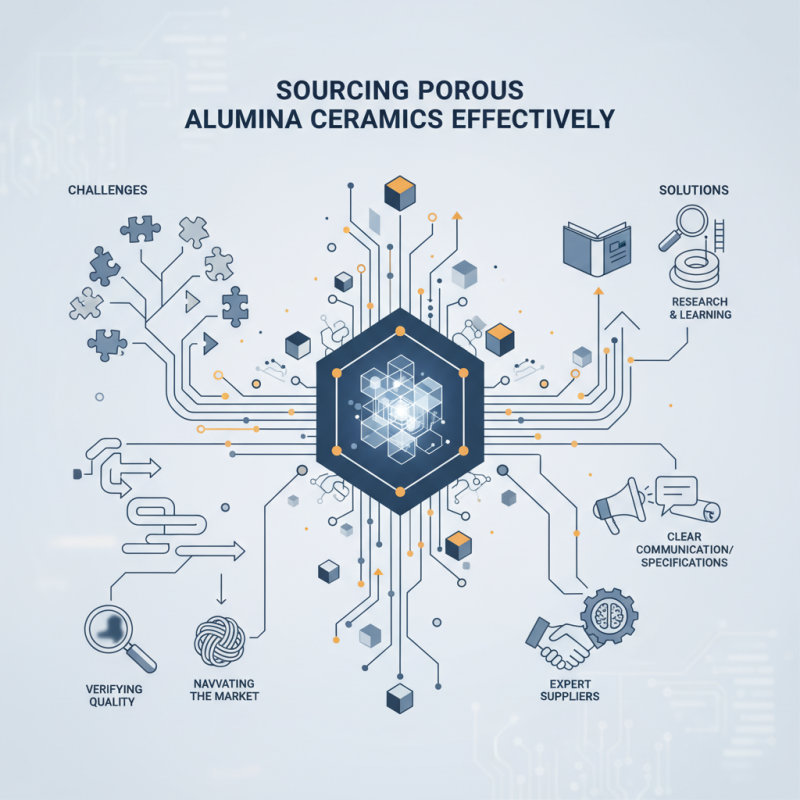
However, the market for Porous Alumina Ceramics can be challenging to navigate. A variety of suppliers offer diverse products, which complicates decision-making. Understanding the qualities that define high-performance ceramics is essential. Many companies face difficulties in verifying the authenticity and quality of their materials.
In this context, selecting suppliers with proven expertise is vital. Engaging with professionals who comprehend the nuances of Porous Alumina Ceramics can mitigate risks. Establishing clear communication about specifications ensures the desired properties are met. It's important to conduct thorough research and remain open to learning from past sourcing experiences.
Understanding Porous Alumina Ceramics and Their Applications
Porous alumina ceramics are gaining attention across various industries. These materials are characterized by their unique structure, which comprises interconnected pores. This feature allows for enhanced filtration, catalysis, and insulation. In applications ranging from biomedical devices to environmental remediation, porous alumina plays a crucial role.
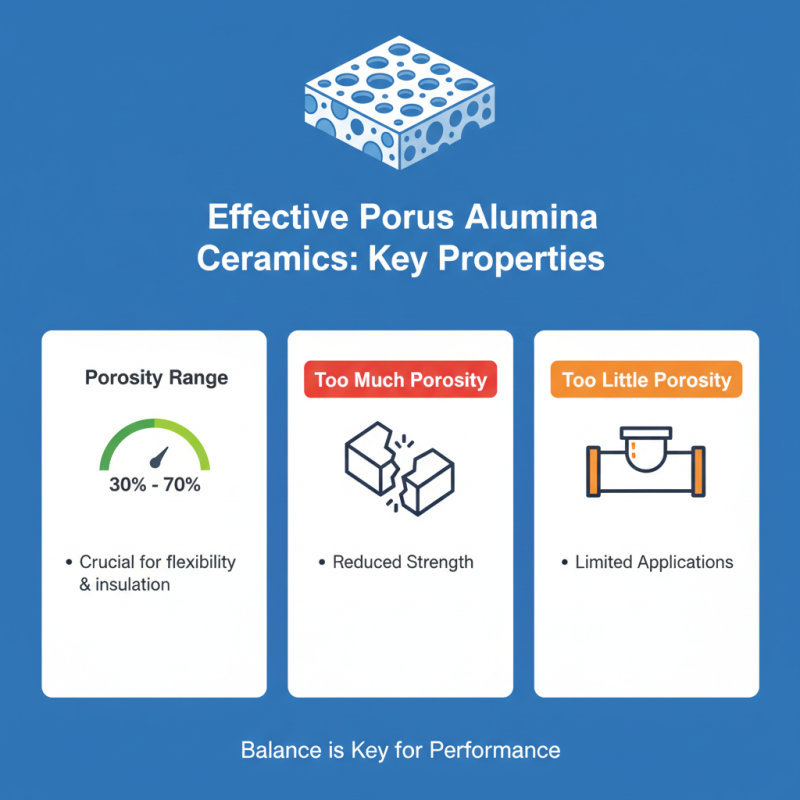
The manufacturing process requires careful consideration of the material's properties. Factors like pore size, distribution, and mechanical strength must be optimized. Achieving the desired porosity can be challenging. It often leads to varied outcomes, necessitating adjustments to the production methods. Understanding the balance between porosity and strength is vital for perfecting these ceramics.
Potential applications are vast yet varied in requirements. In water filtration, the ceramic needs a specific pore size to effectively remove contaminants. For thermal insulation, higher porosity usually enhances performance but may compromise structural integrity. Each application demands a different approach to sourcing and design. This variability reflects the ongoing need for research and development in the field, urging stakeholders to refine their sourcing strategies continuously.
Porous Alumina Ceramics Applications and Market Insights
This bar chart illustrates the market demand for porous alumina ceramics across various applications. The data reflects the estimated market value in millions of USD for key sectors including Aerospace, Healthcare, Electronics, Construction, and Energy.
Exploring Sourcing Methods for Porous Alumina Ceramics
When sourcing porous alumina ceramics, consider various factors that impact quality and efficiency. Understanding the material's properties is essential. Porous alumina ceramics are known for their lightweight, strength, and thermal resistance. They are used in filtration, catalysis, and biomedical applications. Each application demands specific characteristics. Therefore, knowing these requirements helps tailor sourcing strategies.
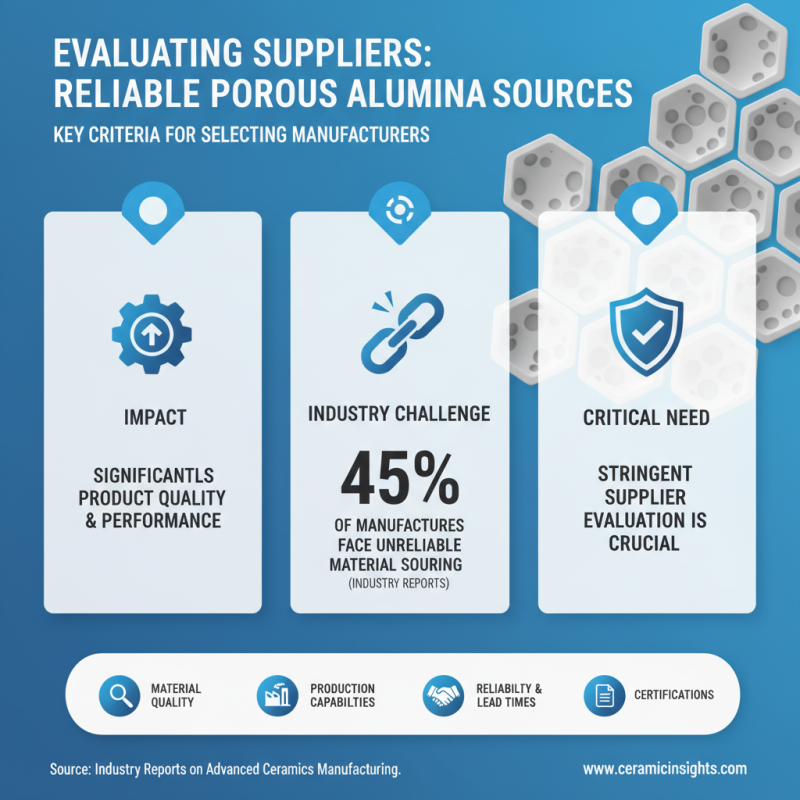
Evaluating suppliers is crucial. Look for manufacturers with a proven track record in ceramics. Investigate their production processes and quality control measures. Engaging with industry experts can provide insights on reliable sourcing methods. Networking with professionals in relevant fields also aids in gathering first-hand experiences. This leads to discovering resources that may not be widely known.
Don't overlook testing samples from potential suppliers. Quality inconsistencies may arise, even from established manufacturers. Relying solely on certifications could be misleading. Examine the mechanical and thermal properties before committing to larger orders. Some sourcing methods may initially seem beneficial, but reflection on outcomes is necessary for improvement. Adapting your approach based on past experiences often yields better results in the long run.
Quality Control Measures in Selecting Porous Alumina Ceramics
When selecting porous alumina ceramics, quality control is essential. Start with the material source. Look for reputable suppliers with a solid track record. They should demonstrate expertise in ceramics fabrication. Reliability in sourcing ensures consistency in ceramic properties. Inspection of raw materials is vital too. This includes checking for impurities and dimensional accuracy. Any deviation can lead to poor performance.
Another key area is assessing the manufacturing process. Effective production methods enhance the physical properties of the ceramics. It’s important to review the application of pressure and temperature during firing. Variations can create weaknesses in the final product. Testing for porosity and strength adds more assurance. Ensure the products meet industry standards.
Documentation plays a critical role in quality control. Suppliers should provide certification and test results. Transparency helps in verifying the quality claims. If anything seems off, raise questions. Do not hesitate to seek clarification. Quality control is not just about meeting standards; it’s about fostering trust in the materials used. Consider revisiting the quality control process regularly, as practices evolve.