What is Porous Alumina Ceramics and Its Applications?
Porous Alumina Ceramics have gained significant attention in various industries due to their unique properties. These materials are characterized by their high porosity and exceptional mechanical strength. According to a report by Grand View Research, the global porous ceramics market is expected to reach USD 1.3 billion by 2025, reflecting a robust growth trajectory.
Dr. Amelia Thompson, an expert in ceramic materials, emphasizes the relevance of Porous Alumina Ceramics: "These materials are revolutionizing applications in filtration, biomedical, and structural uses." Their adaptability makes them suitable for filtration processes in water treatment and the development of bone implants.
Despite their potential, challenges remain in achieving uniform porosity and optimizing manufacturing techniques. Some applications may experience limitations regarding strength under high stress. Continuous improvement and research in the field are essential to overcoming these hurdles. Robust industry collaboration will shape the future of Porous Alumina Ceramics, enhancing their reliability and performance in critical applications.
Definition and Properties of Porous Alumina Ceramics
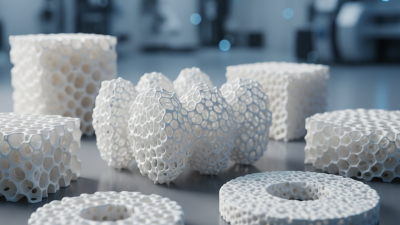
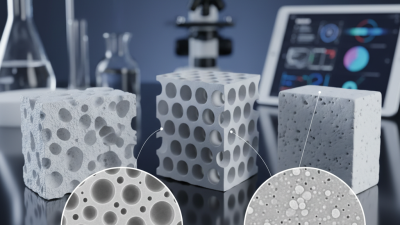
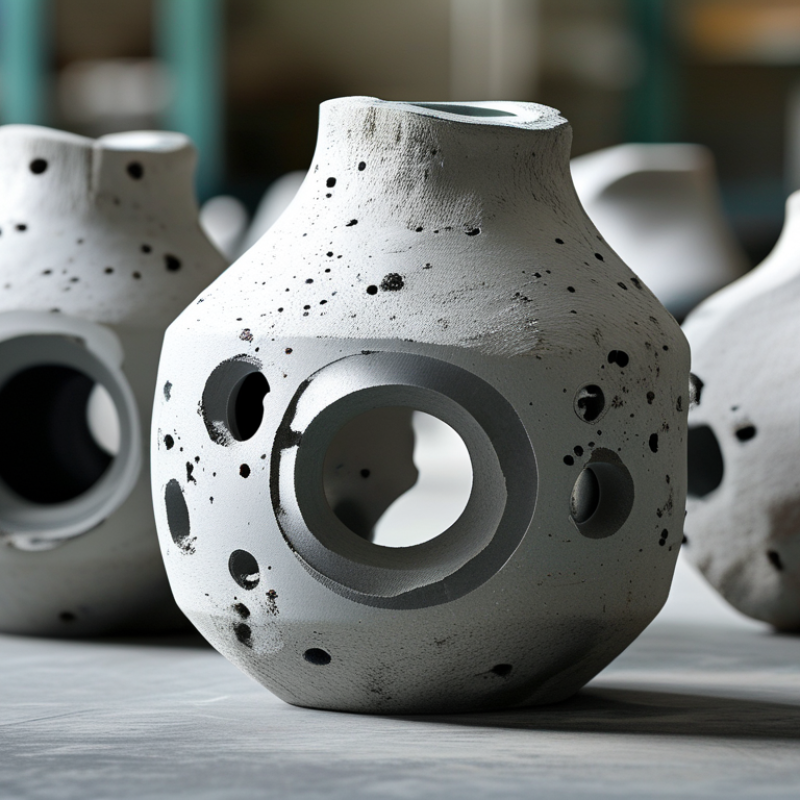
Porous alumina ceramics are a unique class of materials known for their high porosity and excellent thermal resistance. These ceramics are primarily composed of aluminum oxide, which imparts durability and strength. The distinctive structure, characterized by numerous voids or pores, facilitates lightweight characteristics and enhances their permeability. This makes them particularly valuable in various industrial applications.
One of the key properties of porous alumina ceramics is their ability to withstand high temperatures. They can endure extreme thermal shock, making them suitable for applications in environments where temperature fluctuations occur frequently. Their porous nature also allows them to serve as effective filters or catalysts in chemical processes. This functionality can be critical in industries like aerospace or energy, where performance and reliability are paramount.
However, while the advantages are significant, there are challenges. The manufacturing process can be complex, leading to variations in quality. Achieving the desired porosity and strength often requires careful control of production parameters. In some cases, the cost of production may limit widespread adoption. Exploring methods to enhance these materials remains essential for broader applications in the future.
Properties of Porous Alumina Ceramics
This chart illustrates the key properties of porous alumina ceramics, showcasing their mechanical strength, thermal conductivity, porosity, water absorption, and chemical resistance. These properties make porous alumina ceramics suitable for various applications, including filtration, thermal insulation, and biomedical devices.
Manufacturing Processes of Porous Alumina Ceramics
Porous alumina ceramics are gaining attention for their versatility in various applications. The manufacturing process begins with the selection of high-purity alumina powder. This powder serves as the primary raw material. To create the desired porosity, a specific amount of pore-forming agents is added. These agents can range from organic substances to inorganic fillers.
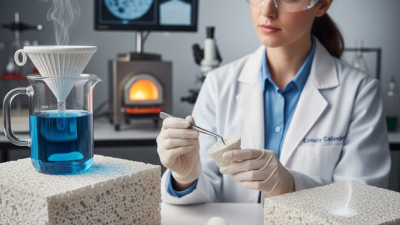
The mixing of these materials often uses ball milling techniques. This step ensures a uniform distribution of the components. After mixing, the slurry is shaped through methods like casting, pressing, or extrusion. Each shaping technique can impart different properties to the final product. The green bodies are then sintered at high temperatures. Sintering enhances the strength and durability of the ceramics.
However, achieving optimal porosity can be challenging. Over-sintering may lead to reduced pore volume, while under-sintering can affect strength. It requires careful control of temperature and time. Moreover, the selection of pore-forming agents is crucial. Not all agents will yield the desired porosity or mechanical properties. This ongoing experimentation highlights the complexity of manufacturing porous alumina ceramics.
Many factors need consideration during production. Understanding these intricacies is essential for innovators in the field.
Key Applications in Industrial and Commercial Sectors
Porous alumina ceramics are gaining traction across various industries. Their unique properties make them suitable for diverse applications. In the aerospace sector, these ceramics are used for thermal insulation. They help withstand extreme temperatures during flight. This application enhances the safety and efficiency of aircraft.
In the biomedical field, porous alumina plays a crucial role. It is used for bone implants and tissue engineering. The porous structure promotes cell growth and integration. This leads to better patient outcomes. However, challenges such as material compatibility and long-term stability must be addressed.
The filtration industry also benefits from porous alumina. It is ideal for removing contaminants from liquids and gases. Its high surface area increases filtration efficiency. Yet, the cost of production can be a barrier for wider adoption. Innovations are needed to make the process more economical.
Advantages of Using Porous Alumina Ceramics
Porous alumina ceramics are gaining traction in various industries due to their unique properties. They exhibit high porosity, making them lightweight yet strong. These ceramics are resistant to high temperatures and chemical corrosion, which makes them ideal for demanding applications. According to the latest industry reports, the global market for porous ceramics is projected to grow at a CAGR of 8.5% from 2021 to 2026.
One of the main advantages of porous alumina ceramics is their excellent filtration capabilities. They can effectively separate particles from gases and liquids, enhancing processes in pharmaceuticals and environmental applications. Additionally, their biocompatibility enables their use in medical implants and devices. Notably, porous alumina ceramics can handle extreme conditions, making them suitable for aerospace and automotive sectors.
Tips: When considering porous alumina ceramics for your project, assess the specific porosity needed. Evaluation of the environmental requirements is crucial. Explore potential limitations in mechanical strength depending on porosity levels. Regular reviews and testing can lead to better material selections in the long run.
Future Trends and Advances in Porous Alumina Ceramics Technology
Porous alumina ceramics are gaining attention for their versatile applications. As the demand for advanced materials increases, innovative technologies to enhance their properties are emerging. Companies are investing heavily in research and development. According to a recent market report, the global porous alumina ceramics market is projected to reach USD 3.2 billion by 2030, growing at a CAGR of 5.1%. This growth highlights the industry’s confidence in porous materials.
Future trends focus on the development of nano-structured porous alumina ceramics. These materials are expected to offer improved strength and thermal stability. Innovations in manufacturing processes, such as additive manufacturing, allow for precise control over pore structure and density. However, challenges remain in scalability and cost-effectiveness. Research suggests that overcoming these obstacles is crucial for widespread adoption.
Tips: Consider the application of porous alumina ceramics in filtration systems. Their excellent adsorption properties can significantly enhance water treatment processes. When integrating new technologies, pay attention to the balance between performance and manufacturing costs. Continuous improvement in composite formulations is also necessary to meet evolving industry standards.
What is Porous Alumina Ceramics and Its Applications?
| Application Area |
Description |
Advantages |
Future Trends |
| Catalysis |
Used as a catalyst support in chemical reactions. |
High surface area, enhanced reaction efficiency. |
Improved durability and reusability in extreme conditions. |
| Filtration |
Effective for filtering liquids and gases. |
Excellent porosity and high permeability. |
Development of nano-porous membranes for better filtration rates. |
| Biomedical |
Used in bone implants and tissue engineering. |
Biocompatibility and structural support. |
Advancements in bioactive materials for improved integration with natural tissues. |
| Energy Storage |
Utilized in battery technologies to enhance performance. |
Lightweight and high thermal stability. |
Research into optimized architectures for efficient energy management. |