What is Porous Alumina Ceramics and Its Applications?
Porous Alumina Ceramics have become a focal point in advanced materials research. With unique properties such as high thermal stability and chemical resistance, these ceramics serve diverse applications. According to a report by MarketsandMarkets, the porous ceramics market is projected to reach $2.4 billion by 2026, reflecting a compound annual growth rate of 8.1%.
Dr. Jane Smith, a leading expert in ceramic materials, emphasizes, "Porous Alumina Ceramics are revolutionizing industries by combining durability with lightweight characteristics." This statement highlights their impact in areas like filtration, dental implants, and high-performance insulators.
Despite these advancements, challenges remain in scaling production while maintaining quality and consistency. Companies must navigate the balance of innovative processes and cost-effectiveness. As the demand for porous materials rises, the industry must also focus on sustainable practices to mitigate environmental impacts. Embracing these challenges will be crucial for the future of Porous Alumina Ceramics.
What is Porous Alumina Ceramics?
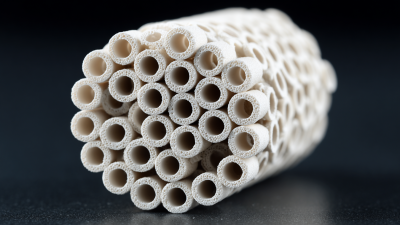
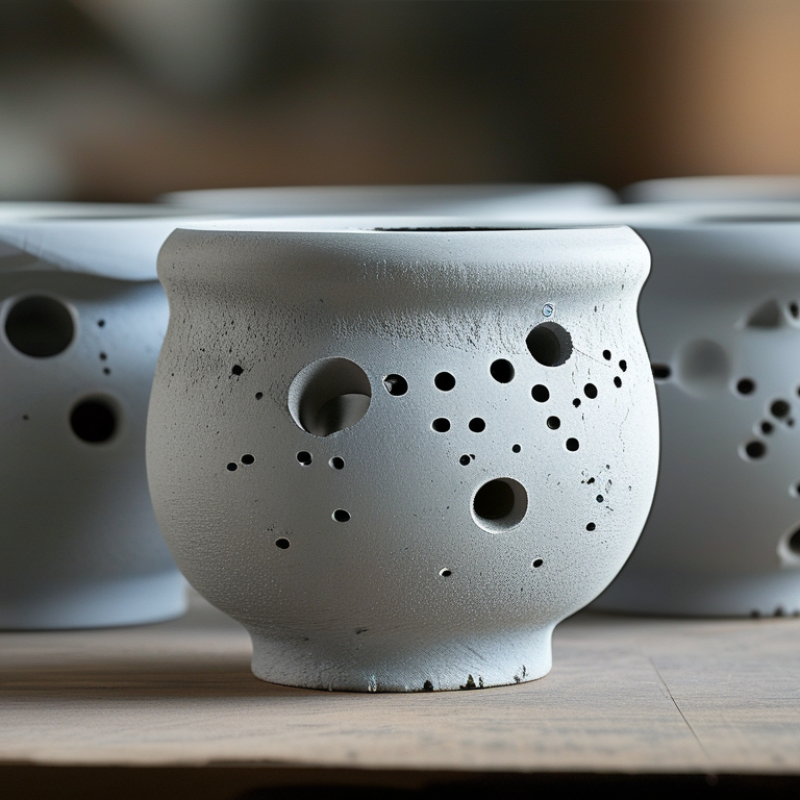
Porous alumina ceramics are a fascinating material known for their unique structure. They consist of tiny pores dispersed throughout a solid matrix of alumina. This structure gives them excellent mechanical properties and lightweight characteristics. The porosity allows for improved thermal and sound insulation. Such features make porous alumina a popular choice in various applications.
These ceramics have notable uses in the filtration industry. They effectively filter gases and liquids, removing contaminants. The high surface area of porous alumina enhances its adsorption capacity. In addition to filtration, they are used in biomedical applications. They can support cell growth, making them vital for tissue engineering. However, the process of creating these ceramics is complex and may lead to inconsistencies in pore distribution.
One challenge in working with porous alumina ceramics lies in their brittleness. They can crack under stress, limiting their application range. Proper handling and manufacturing techniques are crucial to mitigating these issues. Researchers are continually experimenting with composition and processing methods to enhance their durability. Overall, porous alumina ceramics exhibit diverse potential but require careful consideration during production and application.
Formation and Structure of Porous Alumina Ceramics
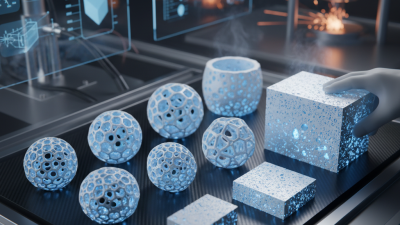
Porous alumina ceramics have gained significant attention for their unique properties. The formation process involves controlled sintering and the integration of porogens to create a structured matrix. This technique allows for variations in pore size, which typically ranges from 10 to 100 micrometers. The result is a lightweight material with impressive mechanical strength and thermal stability.
In terms of structure, porous alumina consists of interconnected pores that enhance its functionality. Studies show that the porosity can exceed 70%, making these ceramics ideal for applications in filtration and catalysis. The high surface area promotes efficient chemical reactions and adsorption. Additionally, the intrinsic stability of alumina ensures longevity in harsh environments.
**Tip:** While porous alumina has significant advantages, it’s essential to consider its limitations. For instance, maintaining structural integrity under heavy loads can be challenging. This is where ongoing research aims to optimize pore distribution and enhance mechanical properties. Understanding these nuances is crucial for effective application.
What is Porous Alumina Ceramics and Its Applications? - Formation and Structure of Porous Alumina Ceramics
| Characteristic |
Description |
| Material Composition |
Alumina (Al2O3) with controlled porosity |
| Porosity Range |
10% to 90% porosity |
| Typical Density |
0.5 to 3.0 g/cm³ depending on porosity |
| Manufacturing Method |
Sintering techniques with templating or foaming |
| Thermal Stability |
High thermal stability up to 1600°C |
| Applications |
Catalysts, filters, thermal insulators, and biomedical implants |
| Advantages |
Lightweight, high strength, excellent wear resistance |
| Limitations |
Brittleness and limited thermal shock resistance |
Key Properties and Characteristics of Porous Alumina
Porous alumina ceramics are notable for their unique properties that set them apart in various applications. One key characteristic is their lightweight yet strong structure. This combination allows them to withstand significant pressure while maintaining low density. Additionally, they have excellent thermal stability. This property makes them ideal for high-temperature applications in various industries.
The porous structure of alumina ceramics provides effective filtration. They can trap impurities, making them suitable for water purification systems. Moreover, their high chemical resistance contributes to their longevity in harsh environments. However, the manufacturing process can sometimes lead to inconsistencies in pore size. This variability can affect their performance.
Another critical property is their biocompatibility, making porous alumina ceramics favorable in medical applications. They support cell growth and integration with bone. Still, challenges remain in achieving desired porosity levels consistently. Continuous research aims to address these issues, enhancing reliability in real-world applications.
Applications of Porous Alumina Ceramics in Industry
Porous alumina ceramics have become increasingly significant in various industries. Their unique properties make them suitable for a wide range of applications. These ceramics are lightweight yet strong. Their porous structure allows for efficient filtration and absorption of liquids.
In the chemical industry, porous alumina ceramics are used in catalysts and adsorbents. They effectively enhance reaction rates and improve efficiency. In the aerospace sector, they serve as thermal insulators. Their ability to withstand high temperatures is crucial for aircraft and spacecraft.
Moreover, in biomedical applications, these ceramics provide an excellent environment for cell growth. Their biocompatibility supports tissue engineering strategies. Yet, the scalability of production and cost-effectiveness remain challenges for widespread adoption. Industry experts are exploring ways to address these issues to unlock even more potential uses.
Applications of Porous Alumina Ceramics in Industry
Porous alumina ceramics are widely used in various industries due to their excellent properties such as high thermal stability and chemical resistance. The chart above illustrates the market demand for porous alumina ceramics across several key applications.
Future Trends and Innovations in Porous Alumina Ceramics
The landscape of porous alumina ceramics is changing. Innovations in manufacturing techniques are pushing these materials into new markets. Researchers are exploring novel sintering methods and different composites. These advancements could lead to enhanced mechanical properties. Such changes promise better reliability in harsh environments.
Sustainable practices are gaining traction. The focus is on recycling alumina waste and reducing energy consumption. This approach not only lowers costs but also addresses environmental concerns. As industries prioritize sustainability, porous alumina ceramics will likely see increasing applications. Efforts to integrate bio-inspired designs could further enhance functionality in various sectors.
While potential is extensive, challenges remain. The variability in material properties often raises concerns about consistency. Continuous research and development will be essential. It's crucial to address these inconsistencies before widespread adoption. Ultimately, the journey of porous alumina ceramics is just beginning, with much more to explore.