What is Silicon Carbide Kiln Shelves and Their Benefits in Ceramics?
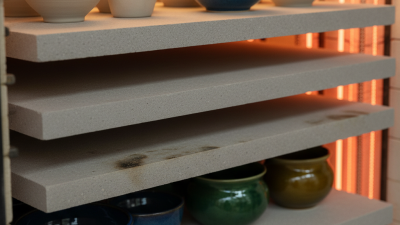
Silicon Carbide Kiln Shelves are essential tools in the ceramics industry. These shelves offer unique benefits that enhance efficiency and performance in firing processes. Made from durable silicon carbide, they withstand high temperatures and thermal shock. This makes them a reliable choice for potters and manufacturers alike.
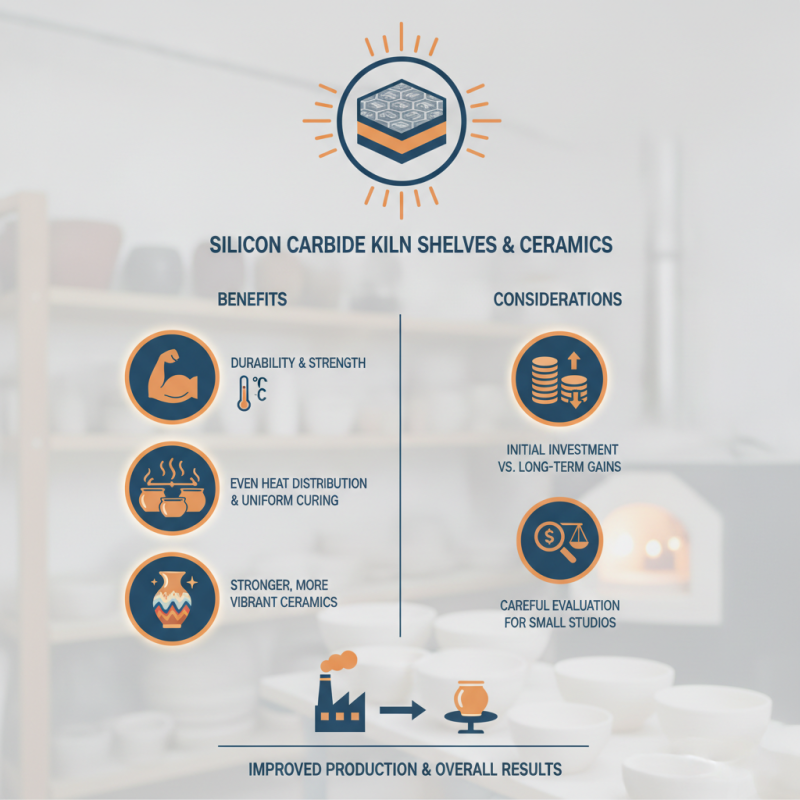
In addition to their strength, Silicon Carbide Kiln Shelves promote even heat distribution. This feature ensures that ceramic pieces cure uniformly. As a result, the final products are often stronger and more vibrant. However, the initial investment can be higher than traditional materials. This is a critical factor for small studios to consider.
Understanding the advantages of Silicon Carbide Kiln Shelves can elevate pottery production. These shelves not only provide durability but also improve overall results. Users must weigh these benefits against potential costs carefully. Investing in quality tools can lead to long-term gains, despite the upfront expense.
What is Silicon Carbide and Its Role in Kiln Shelves for Ceramics?
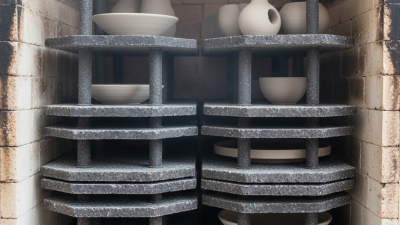
Silicon carbide is a unique compound known for its impressive heat resistance and strength. In ceramics, it plays a crucial role in kiln shelves. These shelves must withstand extreme temperatures during the firing process. Silicon carbide's high thermal conductivity helps evenly distribute heat, ensuring consistent results.
Using silicon carbide in kiln shelves reduces warping and damage. This durability means fewer replacements are needed, which can lower costs. Artists also appreciate the surfaces that reduce sticking. A smooth surface allows easier removal of pottery, helping preserve delicate shapes.
However, working with silicon carbide requires careful handling. It's not infallible; shelves can still crack if mishandled. Artists sometimes overlook the importance of proper storage. Ignoring these details can lead to issues down the road. There’s always room for improvement in how we utilize materials like silicon carbide for better outcomes.
Key Properties of Silicon Carbide That Enhance Kiln Shelf Performance
Silicon carbide is a remarkable material for kiln shelves in ceramics. It provides excellent strength and durability. This compound withstands high temperatures and harsh conditions. Its thermal conductivity is impressive, leading to uniform heat distribution. This promotes even firing of ceramic pieces.
One of the key properties of silicon carbide is its resistance to thermal shock. This means that it can handle rapid temperature changes without cracking. For ceramic artists, this is crucial. The risk of shelf failure during firing can be a nightmare. Silicon carbide shelves offer peace of mind in this regard.
Tips: Maintain proper shelf support. Ensure that there are no pressure points. It’s wise to monitor how pieces are placed on the shelf. Proper spacing can avoid undue stress. Additionally, familiarize yourself with firing schedules. Knowing the temperatures and duration can help in managing expectations.
Another benefit of silicon carbide is its low expansion rate. This characteristic prevents warping, which is often a concern with other materials. Kiln shelves made of silicon carbide can remain flat even after extensive use. This feature ensures consistent results, helping artisans achieve their desired outcomes.
Benefits of Using Silicon Carbide Shelves in High-Temperature Ceramics
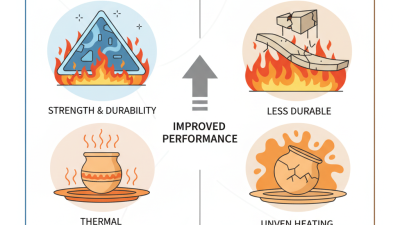
Silicon carbide shelves are becoming popular in high-temperature ceramics. These shelves can withstand extreme heat and provide excellent support during firing. Unlike traditional options, silicon carbide shelves offer better thermal conductivity. This means they can evenly distribute heat, reducing the chances of warping or cracking ceramics.
Another benefit is their durability. Silicon carbide is not only resistant to thermal shock but also to chemical corrosion. This extends the lifespan of the shelves significantly. Makers of high-temperature ceramics often find that these shelves maintain their integrity after multiple firings. This reliability is crucial when creating intricate designs that require precision.
However, there are challenges. Silicon carbide shelves can be more expensive than traditional materials. The investment might deter some artisans. Also, working with these shelves requires careful handling, as they can be brittle. Users often need to balance cost with performance, considering their specific needs in ceramics.
What is Silicon Carbide Kiln Shelves and Their Benefits in Ceramics?
| Property |
Silicon Carbide Kiln Shelves |
Traditional Ceramic Shelves |
| Material Composition |
Silicon Carbide |
Alumina, Fire Clay |
| Max Operating Temperature |
Over 1400°C |
Up to 1300°C |
| Thermal Shock Resistance |
Excellent |
Moderate |
| Weight |
Lightweight |
Heavy |
| Durability |
High |
Low to Moderate |
| Cost |
Higher Initial Investment |
Lower Initial Investment |
| Maintenance |
Low |
High |
Comparative Analysis: Silicon Carbide vs. Traditional Kiln Shelf Materials
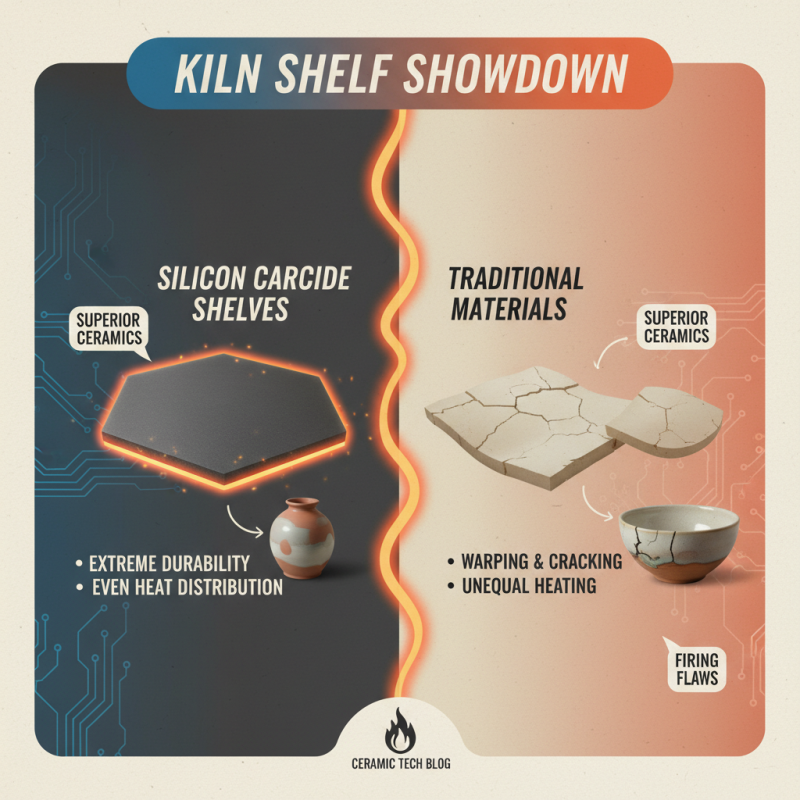
Silicon carbide kiln shelves have gained popularity in ceramics for their durability and heat resistance. In comparison, traditional kiln shelf materials like cordierite and alumina are more prone to warping under extreme temperatures. Silicon carbide's thermal conductivity ensures even heat distribution, reducing the risk of uneven firing. This quality can lead to better final product characteristics, making it a preferred option for professional ceramic artists.
However, not all artists may find the transition easy. Silicon carbide shelves can be abrasive and might require adjustments in handling. Artists transitioning from traditional materials may need to adapt their techniques for loading and unloading. It's essential to consider these factors before making the switch.
**Tips:** When choosing kiln shelves, invest in high-quality silicon carbide for optimal results. Always monitor the shelf's condition regularly to maintain its performance. Consider starting with a few silicon carbide shelves alongside traditional ones to compare the results in your specific firing conditions.
Industry Applications and Trends: Silicon Carbide in Ceramic Production
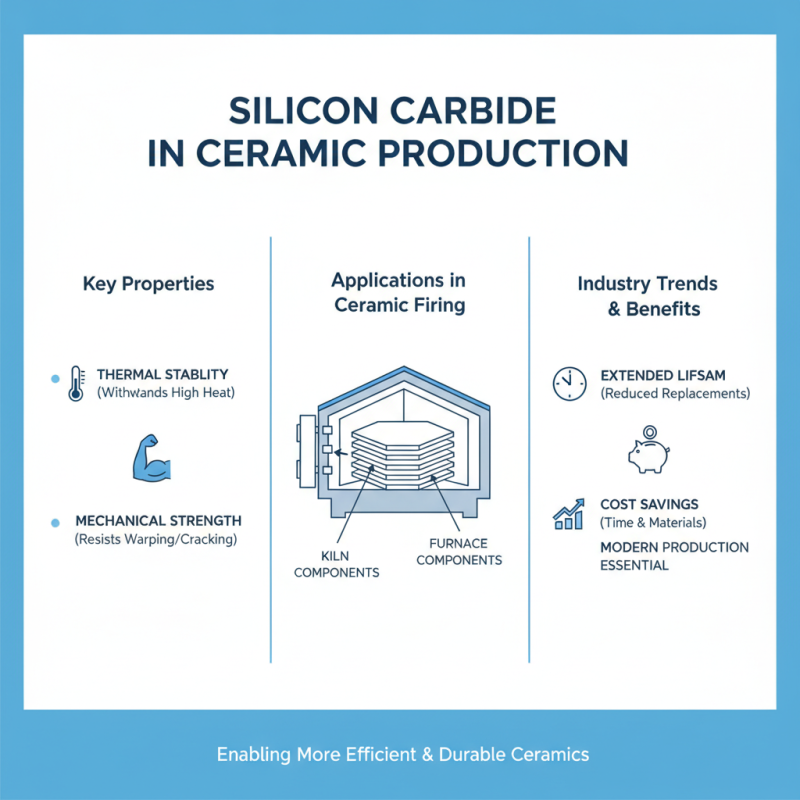
In the ceramics industry, silicon carbide is making significant strides. It is known for its superior thermal stability and mechanical strength. These properties allow it to withstand high temperatures during firing processes. As a result, silicon carbide kiln shelves are becoming essential in modern ceramic production. They don't warp easily and have a long lifespan, which saves manufacturers time and money.
Industry applications are diverse, ranging from art pottery to industrial ceramics. Artists benefit from the durability of silicon carbide, as their pieces undergo intense heat without damage. Additionally, manufacturers use these shelves for consistent quality in mass production. The trend is shifting towards more sustainable materials, with silicon carbide leading the way. However, some concerns remain. The cost of silicon carbide can be a barrier for smaller businesses, leading to a debate about accessibility.
As production techniques evolve, the use of silicon carbide shelves is likely to increase. The industry must also address these challenges to ensure that smaller enterprises can participate fully. There’s a shared belief that innovation will pave the way for a more inclusive ceramic production landscape. Ultimately, understanding both the advantages and limitations of silicon carbide is crucial for advancement in the field.