2025 Top 5 Benefits of Using Cordierite Mullite Sagger in Kiln Applications
In the ever-evolving landscape of ceramic manufacturing, the choice of materials plays a pivotal role in determining the efficiency and quality of products. One standout option that has increasingly gained traction in kiln applications is the Cordierite Mullite Sagger. According to a recent industry report by MarketsandMarkets, the global ceramics market is projected to reach USD 400 billion by 2026, with advanced materials such as cordierite playing a crucial role in this growth. The unique properties of Cordierite Mullite Sagger, including excellent thermal shock resistance and low thermal expansion, make it an invaluable asset for manufacturers seeking to enhance production processes and yield.
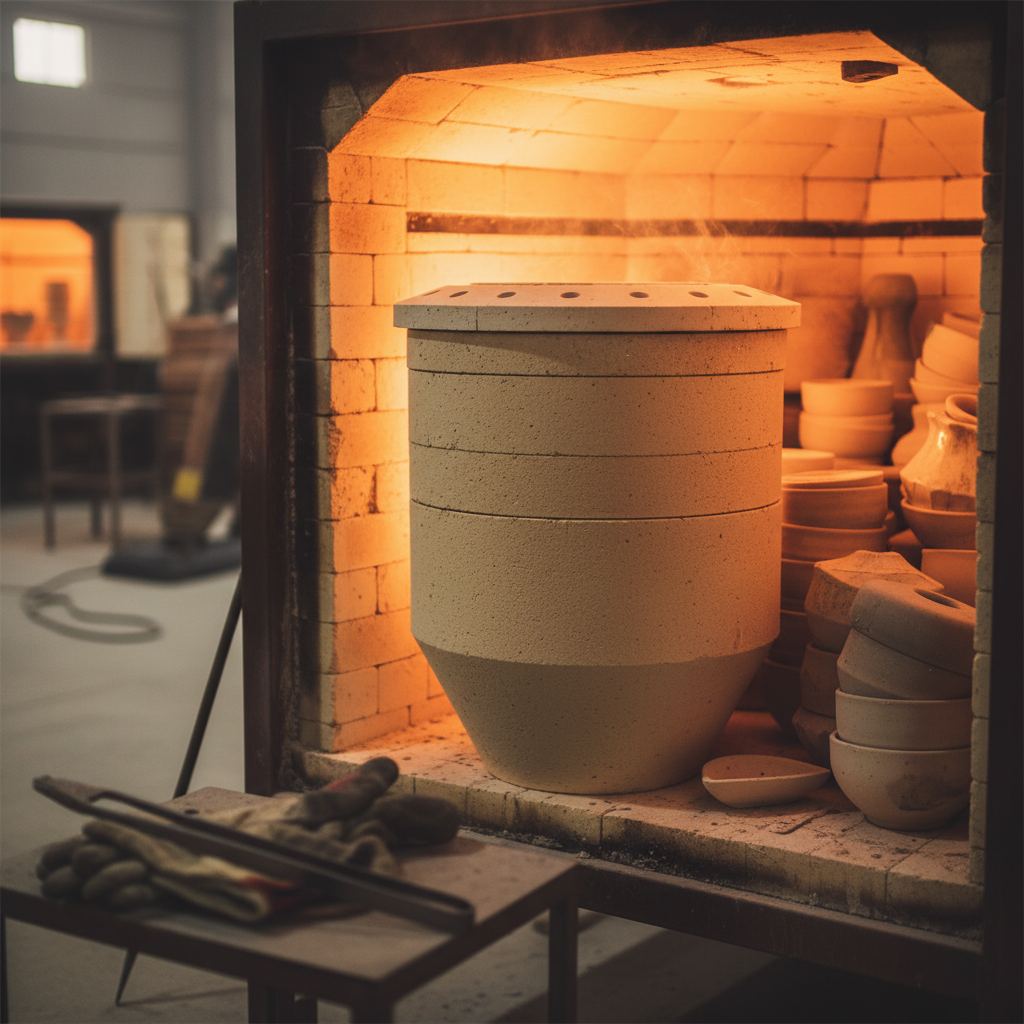
Moreover, the implementation of Cordierite Mullite Sagger not only optimizes firing cycles but also significantly reduces defects in ceramic products. Data from the Ceramic Industry Journal indicates that businesses utilizing advanced saggers have seen a reduction in product failures by up to 30%. This transformative impact underscores the importance of selecting the right materials to meet the demands of modern ceramics manufacturing. As we delve into the top five benefits of using Cordierite Mullite Sagger in kiln applications, it becomes clear that this material not only supports operational efficiencies but also aligns with the industry's ongoing pursuit of innovation and quality excellence.
Understanding Cordierite Mullite Sagger: Key Features and Composition
Cordierite mullite saggars are essential components in various kiln applications, known for their remarkable thermal stability and mechanical strength. Composed largely of cordierite and mullite, these saggars offer a unique blend of properties that enhance their performance in high-temperature environments. Cordierite, a magnesium aluminum silicate, provides excellent resistance to thermal shock, while mullite, an aluminosilicate mineral, contributes to high-temperature durability. This combination enables the sagger to withstand extreme temperatures without compromising structural integrity, making it ideal for ceramics and glass production.
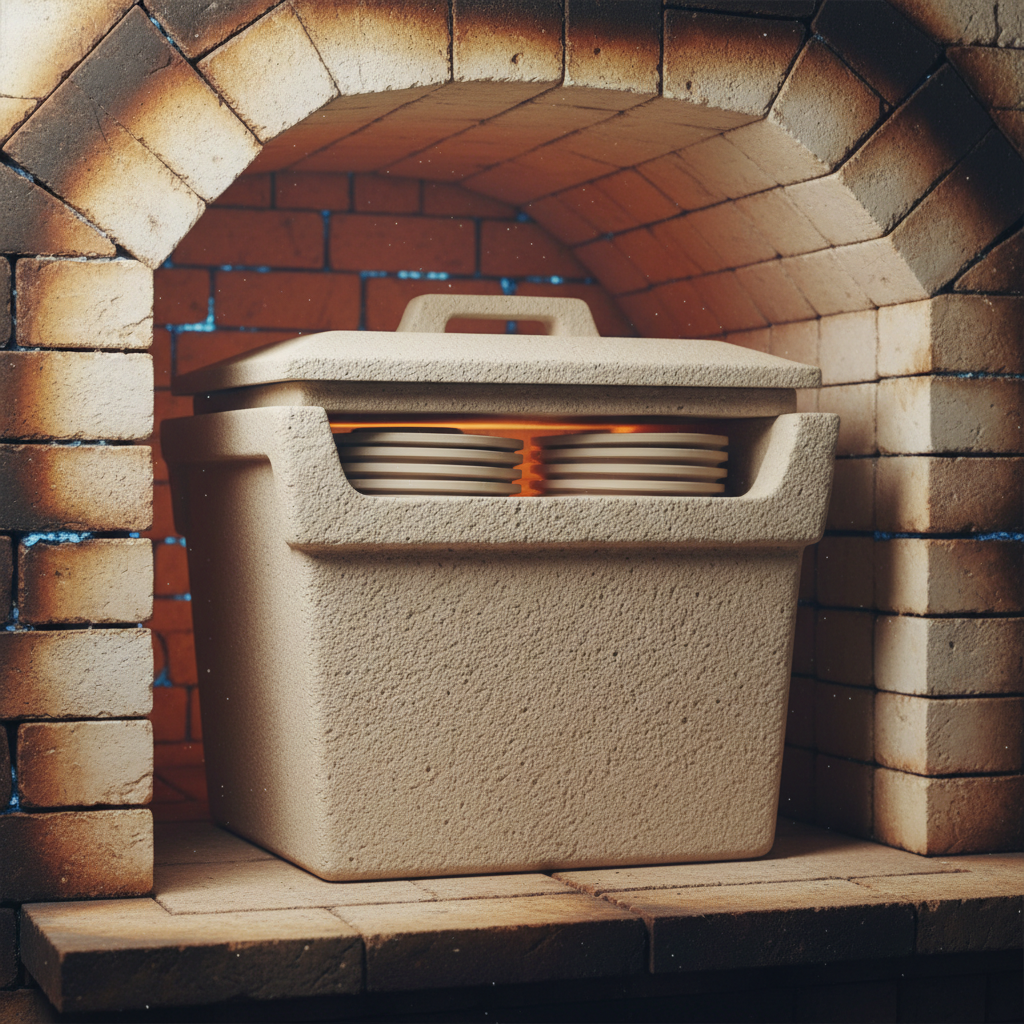
In addition to their composition, cordierite mullite saggars feature a low thermal expansion coefficient, minimizing risks of warping and cracking during intense firing cycles. Their lightweight nature not only eases handling but also enhances energy efficiency within kilns. Furthermore, the non-reactive surface of these saggars prevents contamination of the materials being fired, ensuring high-quality end products. Collectively, these key features position cordierite mullite saggars as a superior choice in industrial applications, providing manufacturers with reliable and efficient solutions for their firing processes.
Top Reasons for Choosing Cordierite Mullite Sagger for Kiln Efficiency
Cordierite mullite saggers are increasingly recognized for their significant role in enhancing kiln efficiency across various applications. One of the key reasons to choose cordierite mullite saggers is their outstanding thermal stability. Recent studies illustrate that these materials can withstand high temperatures and thermal shock, which is crucial in minimizing product defects during firing processes. Furthermore, the low coefficient of thermal expansion (CTE) characteristic of cordierite improves the compatibility of saggers with a variety of ceramic materials, reducing the risk of cracking or warping (#).
In addition, the innovative use of recycled industrial materials to create cordierite and mullite refractories has gained attention. By incorporating waste materials into the sagger production process, manufacturers not only enhance performance but also reduce environmental impact. This recycling approach serves not only to optimize resource use but also to meet increasing demands for sustainable manufacturing practices in the ceramics industry.
Tip: When choosing saggers for your kiln, consider their thermal expansion properties and compatibility with your specific ceramic materials to ensure optimal results. Additionally, explore options that incorporate sustainable materials to align with eco-friendly initiatives within your production processes.
2025 Top 5 Benefits of Using Cordierite Mullite Sagger in Kiln Applications - Top Reasons for Choosing Cordierite Mullite Sagger for Kiln Efficiency
| Benefit |
Description |
Impact on Kiln Efficiency |
| Thermal Stability |
Cordierite mullite saggers maintain structural integrity at high temperatures, reducing the risk of deformation. |
Enhances consistent firing by ensuring uniform temperature distribution. |
| Low Thermal Expansion |
The low thermal expansion coefficient minimizes the risk of cracking during heating and cooling cycles. |
Increases the lifespan of both the saggers and kiln furniture. |
| Chemical Resistance |
Cordierite mullite is resistant to various chemical attacks, which helps in reducing contamination of products. |
Ensures product quality and minimizes defects. |
| Lightweight |
The lightweight nature reduces the overall load in the kiln, facilitating easier handling and installation. |
Enhances kiln efficiency and reduces energy consumption during firing. |
| Cost-Effectiveness |
Durable and long-lasting performance translates to lower replacement costs over time. |
Improves ROI for kiln operations. |
Benefits of Enhanced Thermal Stability in Cordierite Mullite Saggers
The use of cordierite mullite saggers in kiln applications is gaining momentum due to their enhanced thermal stability. This material exhibits excellent resistance to thermal shock, allowing it to withstand the rapid temperature fluctuations commonly encountered in high-temperature firing processes. By minimizing the risk of cracking or deformation under extreme conditions, cordierite mullite saggers ensure a reliable performance throughout the firing cycle.
Moreover, the thermal stability of cordierite mullite saggers contributes to improved energy efficiency. These saggers maintain their mechanical properties at elevated temperatures, reducing the need for frequent replacements and ultimately lowering operational costs. As manufacturers strive for sustainability, the durability of cordierite mullite becomes an attractive characteristic, as it supports longer production runs and decreases waste. Therefore, incorporating these saggers not only boosts productivity but also aligns with eco-friendly practices in the ceramics industry.
How Cordierite Mullite Saggers Minimize Defects in Ceramic Products
The use of Cordierite Mullite Saggers in kiln applications plays a pivotal role in minimizing defects in ceramic products. By providing a stable and thermally efficient environment during firing, these saggers significantly reduce the likelihood of warping or cracking, which are common issues faced in ceramic production. The high thermal shock resistance and low thermal expansion of cordierite mullite facilitate a more uniform temperature distribution in kilns, ensuring that ceramics undergo even firing. This technical advantage is crucial in meeting rising customer expectations for flawless ceramic finishes.
Moreover, as the industry increasingly turns towards quality management practices, the adoption of Cordierite Mullite Saggers aligns with the goal of defect reduction. With the growing emphasis on process control and quality assurance, these saggers not only enhance product integrity but also support efficient manufacturing processes. By minimizing defects, manufacturers can improve yield rates and reduce the costs associated with rework or material waste. This shift towards higher standards in production helps build consumer trust and credibility, essential components in maintaining competitive advantage in the ceramics market.
Cost-Effectiveness of Cordierite Mullite Saggers in Long-Term Kiln Operations
The cost-effectiveness of using cordierite mullite saggers in long-term kiln operations is a crucial consideration for manufacturers looking to optimize their processes. These saggers not only showcase excellent thermal stability but also contribute to energy efficiency. Their ability to withstand high temperatures makes them ideal for ceramic applications, ultimately leading to reduced material replacement costs. Over time, the investment in cordierite mullite saggers can result in significant savings, particularly in demanding kiln environments where longevity and performance are paramount.
Tips: When selecting saggers for your kiln operations, consider the thermal conductivity and the potential for minimizing thermal shock. Additionally, assessing the ratio of initial investment to expected lifespan can help in making an informed decision that aligns with budgetary goals.
The growth of the high-purity mullite market reinforces the trend toward adopting advanced materials like cordierite mullite. As production processes evolve, industries are increasingly recognizing the long-term benefits of integrating these materials for improved durability and performance. Investing in quality saggers can not only enhance operational efficiency but also contribute to the sustainability goals of manufacturing processes in the ceramics industry.
2025 Top 5 Benefits of Using Cordierite Mullite Sagger in Kiln Applications
This bar chart illustrates the key benefits of using Cordierite Mullite Saggers in kiln applications, emphasizing cost-effectiveness over long-term operations.