Top 10 Kiln Furniture Types and Their Best Uses?
In the world of ceramics, the significance of "Kiln Furniture" cannot be overstated. As an essential component in the firing process, kiln furniture supports and arranges items within the kiln. David L. Harris, a renowned kiln furniture expert, once stated, "Choosing the right kiln furniture can dramatically improve the quality of your work." His insight highlights the critical role that these materials play in achieving desired outcomes.
Kiln furniture comes in various types, each designed for specific applications. For instance, shelves, posts, and stoppers are common. Each serves a unique purpose, and selecting the appropriate type can be a challenge. A common mistake is using the wrong material for particular projects. This misstep often leads to defects or uneven results in the final pieces.
Understanding the properties of different kiln furniture types is essential. Many artists spend years perfecting their techniques, yet overlook the significance of their kiln setup. Reflecting on this can lead to improvements in both functionality and artistry. As we explore the top ten types of kiln furniture, consider how your choices can directly impact your work.
Top 10 Types of Kiln Furniture: An Overview of Varieties
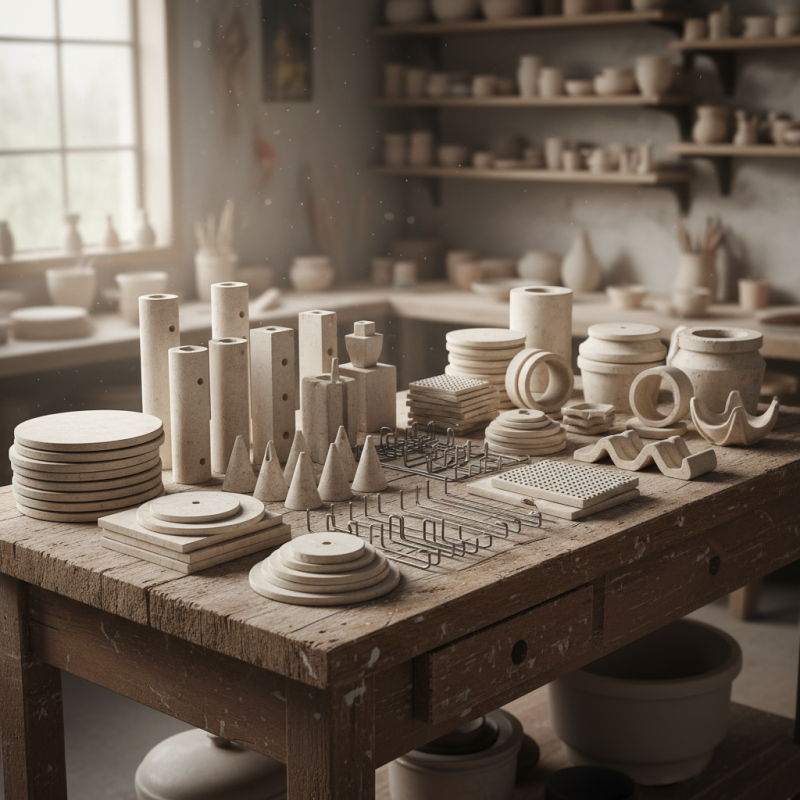
Kiln furniture is essential in ceramics and glass industries. It helps manage space and supports delicate items during firing. The most common types include
shelves, posts, and casters, each serving unique purposes. Research shows that using
the right type of kiln furniture can improve efficiency by 15%, a considerable gain for manufacturers.
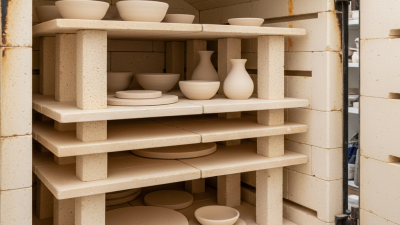
Shelves are often made of cordierite. This material can withstand high temperatures, making it ideal for ceramic products. Posts provide stability, allowing multiple layers in the kiln. The arrangement of these items is essential. An optimal arrangement can affect heat distribution and ultimately the quality of the final product.
Despite advances, choosing kiln furniture can be tricky. Not every material suits every application. Some ceramic pieces may warp, regardless of support. Monitoring heat exposure remains crucial. Some users report that after switching to different types, they noticed a change in product durability. Evaluation is necessary to ensure best practices.
Material Composition: Common Materials Used in Kiln Furniture
Kiln furniture plays a crucial role in the ceramics and glass industries. The materials used in kiln furniture greatly affect their performance and longevity. Common materials include alumina, silica, and cordierite. Each material has distinct properties that cater to different needs. For instance, alumina can withstand high temperatures and is highly durable. Silica, on the other hand, offers excellent thermal stability but is less resistant to abrasion. Cordierite, while lightweight, possesses great thermal shock resistance.
Tips: Selecting the right material is vital. Consider the firing temperature and type of product being processed. This ensures optimal performance and safety.
Another aspect to consider is the maintenance of kiln furniture. Often, users overlook the wear and tear that can occur over time. It is crucial to regularly inspect and potentially replace worn furniture. A study by the American Ceramics Society reported that neglecting maintenance can lead to costly failures. This highlights the need for effective care routines.
Tips: Keep an inventory of kiln furniture and their conditions. This proactive approach can save time and resources in the long run. Investing in the right materials and maintaining them is essential for consistent production quality.
Top 10 Kiln Furniture Types and Their Best Uses
This chart displays the top 10 types of kiln furniture along with their usage frequency in kilns. The higher the usage frequency, the more common the type is in ceramic and pottery firing processes.
Key Applications: Best Uses for Each Kiln Furniture Type
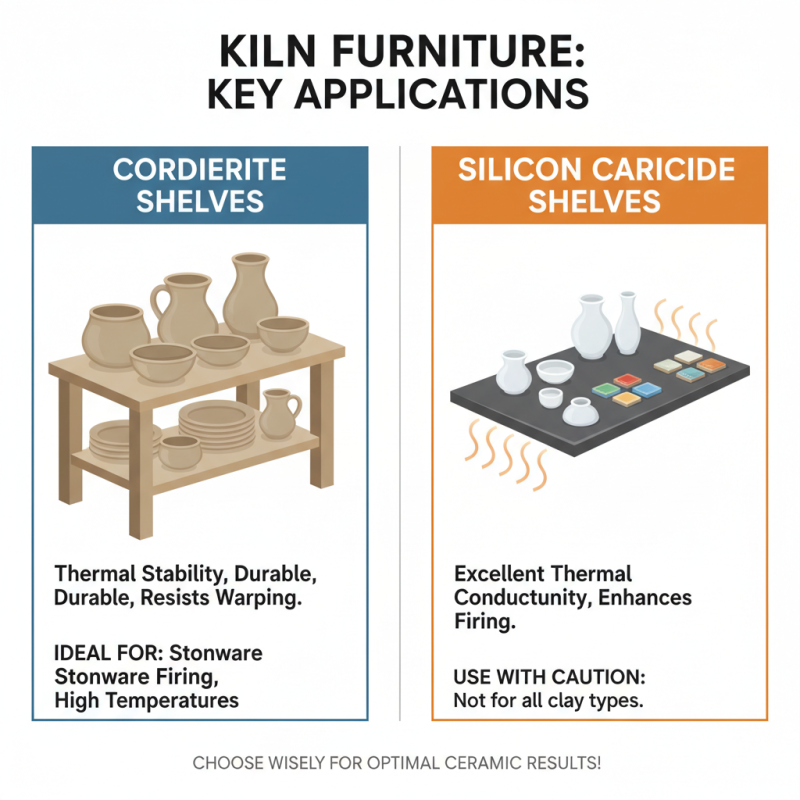
Choosing the right kiln furniture is crucial for achieving optimal results in pottery and ceramics. Each type of kiln furniture has distinct advantages and applications. For instance, cordierite shelves are popular for their thermal stability and durability. They can withstand high temperatures without warping, making them ideal for stoneware firing. On the other hand, silicon carbide shelves offer excellent heat conductivity. They can enhance the firing process but may not be suitable for all types of clay.
Kiln posts are essential for creating space and support. They allow airflow around pieces, which is vital for even heating. However, improper placement can lead to uneven results. Using them with care is essential. Similarly, setter plates are useful for stacking smaller items, but they can be tricky. If too many layers are added without adequate support, breakage can occur. It’s all about balance and careful planning. Each type of kiln furniture has its strengths, but missteps can lead to unwanted outcomes. Understanding the best uses is key to maximizing your results.
Performance Metrics: Durability and Temperature Resistance Data
When selecting kiln furniture, it's crucial to consider the performance metrics. Durability and temperature resistance are key factors that significantly impact how well the materials perform. Some furniture types can withstand extreme heat while others falter. This is particularly evident in high-heat applications like ceramics or glass production.
For instance, certain refractory materials can endure temperatures exceeding 1,400°C. However, not all types achieve this durability. Some might crack or warp under intense conditions. The interplay between temperature resistance and the material's lifespan is often misunderstood, leading to poor choices in kiln furniture.
Temperature spikes can create unexpected failures. It’s vital to match furniture type with kiln use. Relying solely on ratings can be misleading if not tested in your specific environment. Continuous evaluation is essential. What works today might not work tomorrow. Always stay observant and ready to adapt.
Industry Trends: Innovations and Future Developments in Kiln Furniture
Innovations in kiln furniture are reshaping the ceramics industry. New materials are emerging, offering improved durability and performance. For instance, advanced ceramics can withstand higher temperatures, providing greater efficiency. This innovation is crucial as manufacturers seek to reduce energy costs and waste.
Sustainability is a growing concern. Many companies are exploring eco-friendly materials for kiln furniture. These options may not always be as resilient, leading to questions about long-term viability. They can also impact production processes. Balancing sustainability with performance remains a challenge.
The future of kiln furniture lies in smart technology. Integrating sensors into kiln furniture can enhance monitoring and control. Manufacturers can optimize firing schedules to improve quality. However, reliance on technology raises concerns about data security and compatibility. These aspects require careful consideration as the industry advances.
Top 10 Kiln Furniture Types and Their Best Uses
| Kiln Furniture Type |
Material |
Temperature Resistance (°C) |
Best Use |
| Shelves |
Cordierite |
1400 |
General ceramic firing |
| Post |
Alumina |
1600 |
Supporting shelves during firing |
| Kiln Furniture Set |
Silica |
1500 |
Multiple items for specific kiln setups |
| Support Plate |
Fireclay |
1450 |
Organizing compact items |
| Props |
Refractory |
1700 |
Supporting heavy pieces |
| Kiln Shelving |
Zirconia |
1800 |
High-temperature applications |
| Dolly |
Ceramic |
1300 |
Transporting kiln furniture |
| Bat |
Clay |
1250 |
Direct use for pottery |
| Spacer |
Mullite |
1600 |
Creating space between shelves |
| Sagger |
Porcelain |
1300 |
Protecting ware during firing |