Top Technical Ceramics Suppliers in China for Global Buyers?
As global demand for advanced materials continues to rise, the significance of Technical Ceramics has never been more pronounced. According to a report by MarketsandMarkets, the global technical ceramics market is projected to reach over $130 billion by 2027, with China playing a pivotal role. The country's advancements in this sector have made it a hotspot for global buyers seeking high-quality ceramics for applications in electronics, automotive, and aerospace industries.
Industry expert Dr. Li Wei states, “China has emerged as a leading supplier of Technical Ceramics, driven by innovations and robust production capabilities.” This highlights China's critical position within the global supply chain. Various manufacturers are investing significantly in R&D to optimize material properties and explore new applications. However, challenges in quality control and market fluctuation remain pressing issues, requiring careful consideration.
It is essential for global buyers to navigate the complex landscape of Technical Ceramics suppliers in China. The competition is fierce, and a deep understanding of strengths and weaknesses will guide procurement strategies. Recognizing both opportunities and limitations is vital for making informed decisions in this dynamic market.
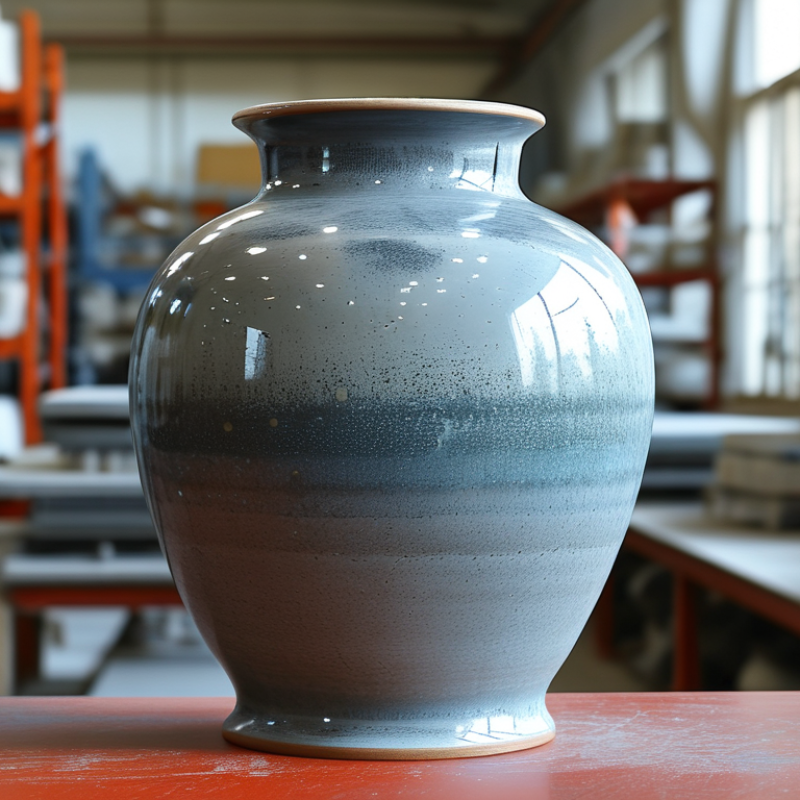
Overview of Technical Ceramics and Their Applications
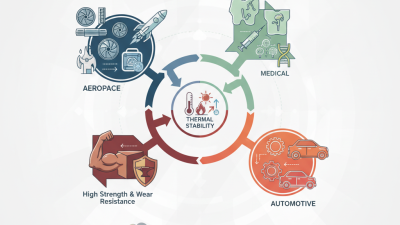
Technical ceramics are becoming increasingly vital in various industries. These materials possess unique properties like high strength, thermal resistance, and electrical insulation. As a result, they are widely used in aerospace, automotive, and electronics sectors. For instance, silicon nitride is often employed in turbine blades due to its ability to withstand extreme temperatures.
Moreover, the versatility of technical ceramics allows for applications in medical devices and telecommunications. Bioceramics, like hydroxyapatite, are essential in orthopedic implants. They promote bone integration and are increasingly relied upon in surgeries. However, challenges remain. Production costs can be high, and sourcing raw materials can be challenging. Some manufacturers struggle to maintain consistent quality, hindering the growth of this sector.
Ongoing research is needed to enhance these materials' properties and production methods. This could lead to even more innovative applications. Collaboration between suppliers and researchers is key. Addressing these issues will strengthen the market for technical ceramics globally.
Key Attributes and Benefits of Technical Ceramics in Industry
Technical ceramics are becoming vital in various industries due to their unique properties. These materials boast high resistance to heat, chemicals, and wear. This makes them ideal for applications in aerospace, medical, and automotive fields. For example, their durability allows for longer life in demanding conditions, reducing maintenance costs.
The benefits of technical ceramics extend beyond mere strength. They possess excellent electrical insulation properties, which are crucial in electronic applications. These materials can also be engineered to offer specific thermal conductivities. It's interesting to note that while technical ceramics excel in many areas, they are often costly and require specialized manufacturing processes. Some suppliers may struggle with consistency in quality, leading to potential challenges for global buyers.
Exploring the advantages and disadvantages of technical ceramics can be insightful. They represent a blend of innovation and tradition, yet the market demands ongoing research. Innovations in material science must address limitations in production and application. As industries evolve, the role of technical ceramics will become even more significant, prompting continuous evaluation of their effectiveness in real-world scenarios.
Top Technical Ceramics Suppliers in China for Global Buyers
| Supplier Region |
Product Type |
Key Attributes |
Typical Applications |
Benefits |
| Eastern China |
Alumina Ceramics |
High hardness, excellent wear resistance |
Electrical insulators, wear parts |
Long service life, cost-effective |
| Southern China |
Zirconia Ceramics |
High toughness, low thermal conductivity |
Cutting tools, dental applications |
Superior strength, highly reliable |
| Northern China |
Silicon Nitride Ceramics |
Exceptional thermal stability, low density |
Aerospace components, automotive parts |
Lightweight yet strong, energy efficient |
| Western China |
Titanium Diboride Ceramics |
High-temperature stability, corrosion resistance |
Armor plating, electronics |
Enhanced durability, protection |
| Central China |
Piezoelectric Ceramics |
Piezoresistive properties, high sensitivity |
Sensors, actuators |
Precise measurements, responsive |
Criteria for Selecting Top Technical Ceramics Suppliers in China
Selecting top technical ceramics suppliers in China requires a careful evaluation of several key factors. Experience is vital. A company with years of industry practice often demonstrates a better understanding of market needs. Look for suppliers with a solid track record in producing high-quality products. They should provide detailed case studies or references to support their claims.
Expertise in advanced manufacturing techniques is another critical aspect. Technical ceramics can be complex, necessitating sophisticated processes. Suppliers should showcase their capabilities in precision engineering and stringent quality control. This assures buyers that the products will meet required specifications.
Reliability must not be overlooked. Regular delivery and consistent product quality are essential for any business. Suppliers should have transparent communication channels, preventing misunderstandings. Some companies may promise too much, so assessing their actual capabilities is wise. Engaging in initial small-scale orders can reveal their true performance before committing to larger contracts. Familiarity with international standards is also critical. This ensures compatibility for various markets.
Top Technical Ceramics Suppliers in China - Data Overview
Leading Technical Ceramics Manufacturers and Suppliers in China
China has become a significant player in the global technical ceramics market. This sector is anticipated to grow at a compound annual growth rate (CAGR) of around 6.5% from 2021 to 2027, according to recent industry reports.
Technical ceramics are vital in various applications, including electronics, aerospace, and biomedical fields. Their unique properties offer excellent thermal stability and high resistance to wear and corrosion.
Leading manufacturers in China focus on innovative materials and advanced processing techniques. Many companies are investing heavily in research and development. This investment aims to improve the performance and application range of technical ceramics.
A 2020 market analysis highlighted that China's exports of technical ceramics accounted for approximately 30% of global exports, underscoring the country's competitive position.
While China boasts advanced production capabilities, challenges remain. Quality control and consistency can sometimes be inconsistent. Furthermore, navigating international regulations can be complex. Global buyers must remain vigilant in assessing suppliers.
Connecting with reputable manufacturers can lead to successful partnerships. Evaluating supplier capabilities is crucial to ensuring product reliability and meeting specific requirements.
Future Trends in the Technical Ceramics Industry in China
The technical ceramics industry in China is witnessing significant transformations. Innovations in material science are paving the way for advanced applications. Enhanced properties like resistance to heat and wear make these ceramics suitable for various fields. As technology evolves, demand for specialized products grows. Global buyers must stay informed about these changes.
Tips: Research market leaders to identify emerging trends. Attend industry conferences to network and learn about new technologies.
Sustainability is becoming a priority in manufacturing processes. Companies are adopting eco-friendly materials and practices. This shift meets global environmental standards. However, balancing performance and sustainability can be challenging. Manufacturers must reflect on their strategies to remain competitive.
Tips: Evaluate suppliers’ sustainability certificates. Ensure they align with your values for a responsible partnership.
Furthermore, the integration of automation and AI is redefining production efficiency. Smart factories are emerging, reducing costs and enhancing precision. Yet, the reliance on technology can introduce new risks. Adapting to these changes requires continuous learning. Organizations must cultivate a culture of innovation to thrive.