Top Refractory Sagger Types You Should Know About?
In the world of ceramics, understanding the types of refractory saggers is crucial. Refractory saggers play a vital role in protecting delicate items during high-temperature firing processes. These containers withstand extreme heat and chemical reactions, ensuring the integrity of the products they hold.
Different refractory sagger types offer various advantages. Some saggers excel in heat retention, while others provide enhanced stability. This variety can lead to confusion for new users. Choosing the wrong type could result in product defects or even losses. It's essential to weigh the potential risks and benefits carefully.
Knowledge of available refractory sagger types is vital for enhancing production efficiency. Professional insight can help manufacturers select the optimal sagger for their specific needs. Understanding these materials enables smarter decisions and promotes better outcomes in the firing process.
Types of Refractory Saggers and Their Applications
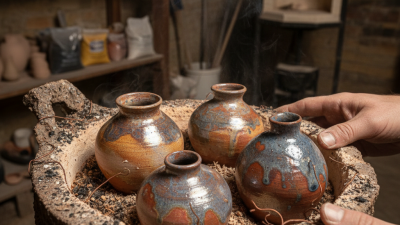
Refractory saggers are essential in high-temperature kilns. They are designed to hold and support ceramic products during firing. Various types of refractory saggers exist, each with unique applications. Knowing these types can help manufacturers select the right ones for their specific processes.
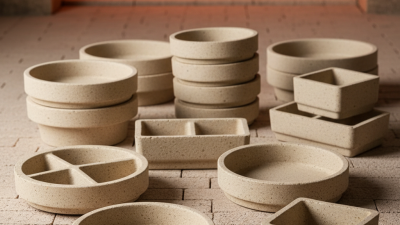
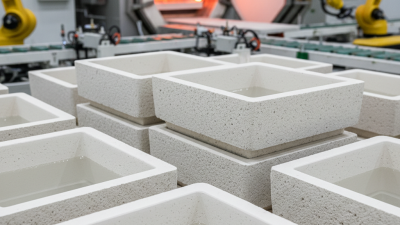
One common type is the square sagger. It offers a sturdy option for larger items. Often, it can withstand extreme temperatures. Another type is the round sagger, which is preferred for smaller, delicate pieces. Its shape allows for even heat distribution. These saggers help prevent deformation of the ceramics.
There are also customized saggers for specialized industries. These are tailored to specific firing requirements. However, some may have limited availability, leading to delays in production. Care should be taken when choosing saggers, as using the wrong type can impact quality. Each application demands a nuanced understanding of the right sagger to maximize efficiency and product integrity.
Key Materials Used in the Production of Refractory Saggers
Refractory saggers are essential in high-temperature processes, especially in ceramic and glass industries. The effectiveness of these saggers largely depends on the materials used in their production. Common materials include alumina, zirconia, and silica. Each material has distinct properties that contribute to the saggers' performance.
Alumina is widely favored for its high melting point and excellent thermal stability. It can withstand extreme temperatures without deforming. On the other hand, zirconia offers enhanced resistance to thermal shock and chemical wear. This is crucial in environments where rapid temperature changes occur. Silica, while less durable, is often used for its affordability and availability.
Choosing the right material can be challenging. Many factors, such as operating temperature and exposure to corrosive substances, should be considered. It's important to assess how each material interacts with the specific applications. Inadequate material selection could lead to failure, impacting production and quality. This highlights the need for careful evaluation and expertise in the field. Understanding these materials can enhance the reliability of refractory saggers in demanding processes.
Common Manufacturing Techniques for Refractory Saggers
Understanding common manufacturing techniques for refractory saggers is crucial for optimizing their performance in high-temperature applications. Refractory saggers are essential for supporting ceramics during firing processes. Their design and material selection dictate their durability and thermal resistance.
One prevalent technique is slip casting. This method involves pouring a liquid ceramic mixture into a mold, allowing it to form a solid structure. Research shows that slip casting enhances uniformity. According to the Journal of Materials Science, slip casting produces saggers with a 25% increase in strength compared to traditional forming methods.
Another method is pressing, where dry powder is compacted into molds under high pressure. This technique can achieve densities exceeding 2.5 g/cm³. However, achieving uniformity can be challenging. Adjusting pressure and moisture levels is critical.
The choice of manufacturing technique significantly impacts the final product. Manufacturing consistency is vital for high-performance outcomes. Ensuring quality control through these processes can prevent costly production errors. Regular monitoring and adjustments can improve reliability and longevity in harsh environments.
Top Refractory Sagger Types You Should Know About
| Sagger Type |
Material |
Temperature Resistance (°C) |
Common Applications |
| Ceramic Saggers |
Alumina |
1600 |
Ceramic Firing |
| Silicon Carbide Saggers |
Silicon Carbide |
1400 |
High-Temperature Applications |
| Cordierite Saggers |
Cordierite |
1300 |
Ceramic and Glass Firing |
| Magnesia Saggers |
Magnesia |
1500 |
Metal Casting |
| Zirconia Saggers |
Zirconia |
1700 |
Research and Development |
Factors Influencing the Selection of Refractory Saggers
When selecting refractory saggers, several factors come into play. The temperature resistance is critical. Saggers must withstand high temperatures without degrading. Common materials include alumina and silica. These choices depend on the intended application. The chemical compatibility with specific glazes or materials is also essential. This ensures minimal reactions during firing processes.
Another important factor is the shape and size of the sagger. Customizing these specifications allows for optimal arrangement and efficient space use. Variations in design can influence heat distribution. Pay attention to the interior texture, as it affects the separation of pieces. A smooth surface might be ideal for certain applications, while a rougher texture could prevent slippage.
Durability plays a role in the long-term investment of refractory saggers. Frequent replacements can increase operational costs. Consider the ease of handling these saggers as well. Heavy or awkward designs can complicate the workflow. Balance between strength and practicality is necessary. Reflecting on these factors ensures better choices in refractory sagger types.
Top Refractory Sagger Types You Should Know About
This chart displays the different types of refractory saggers and the factors influencing their selection based on thermal stability, chemical resistance, and cost-effectiveness.
Maintenance and Care for Refractory Saggers in Industrial Use
Refractory saggers are crucial in high-temperature industrial processes. Proper maintenance can extend their lifespan significantly. A recent industry report indicates that up to 30% of operational downtime is linked to refractory failures, highlighting the need for diligent care.
Regular inspections are vital. Look for signs of wear and damage. Even small cracks can compromise the entire system. Ensure appropriate cleaning after each use. Build-up of materials can lead to deterioration. According to findings, neglecting maintenance can reduce saggers' effectiveness by over 20%.
Employing thermal profiling aids in monitoring. Maintaining optimal temperatures is crucial. The wrong environment can lead to rapid degradation. Additionally, document all maintenance activities. This creates a reliable history for analysis. Reflect on past issues to prevent future ones. By treating refractory saggers with care, industries can achieve greater efficiency and reliability.