Leave Your Message

Top 10 Uses of Zirconia Ceramic for Global Buyers?

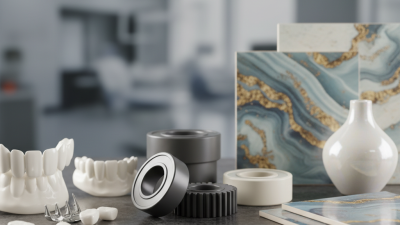
Zirconia ceramic has gained significant attention in various industries due to its unique properties. Known for its high strength and excellent biocompatibility, it plays a crucial role in dental applications. This material ensures durability in prosthetics, making it a preferred choice among professionals.

Additionally, zirconia ceramic is resistant to wear and thermal shock. This makes it suitable for high-performance applications, such as cutting tools and grinding media. Many manufacturers are exploring its use in electronics for insulation and as a dielectric material.

However, while zirconia ceramic presents numerous advantages, sourcing it can be challenging. Variability in material quality is a concern for global buyers. Understanding these aspects is essential for making informed decisions in the market.
Top 10 Uses of Zirconia Ceramic for Global Buyers?

Applications of Zirconia Ceramic in Dental Implants and Restorations

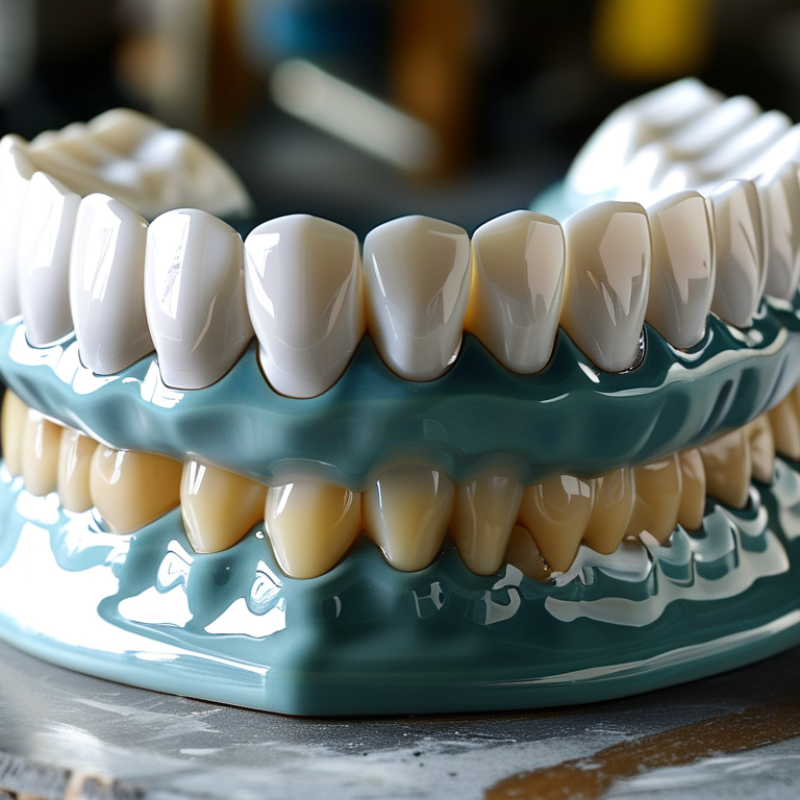
Zirconia ceramic is increasingly popular in dental applications. Its strength and biocompatibility make it ideal for implants and restorations. Dental professionals often prefer zirconia for crowns because it mimics the appearance of natural teeth. This material offers high resistance to wear, making it durable over time.

When choosing zirconia for dental restorations, consider the aesthetic qualities. It can be translucent, closely resembling natural tooth enamel. Yet, not all zirconia is created equal; check the material's specific properties. Proper assessment ensures that the chosen zirconia meets individual patient needs.

Tip: Always consult dental experts when selecting materials. Their experience can guide you to the best choice. Understand that some zirconia types may be more suited for specific applications. There can be limitations based on the case complexity, so discuss all options thoroughly. Keep in mind that the success of zirconia-based restorations also depends on the skill of the dental professional. Their expertise plays a critical role in achieving optimal results.

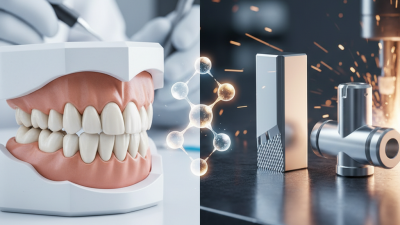
Zirconia Ceramic Uses in Industrial Applications and Wear-resistant Parts

Zirconia ceramic is gaining traction in various industrial applications, particularly for wear-resistant parts. Its remarkable hardness and durability make it suitable for components subjected to extreme stress. For instance, zirconia is often used in cutting tools, which require materials that can withstand high wear rates. A report from the Manufacturing Technology Association indicates that zirconia components can last up to five times longer than traditional materials.

In the medical field, zirconia ceramics are favored for dental crowns and implants. These applications demand materials that are not only strong but also biocompatible. Studies show that zirconia can reduce wear on adjacent teeth, ensuring longevity and patient comfort. Additionally, its aesthetic appeal mirrors that of natural teeth, enhancing its desirability in restorative dentistry.

However, the production of zirconia parts can be challenging. The sintering process requires precise temperature control, and variations can affect the material's final properties. This represents an area that requires ongoing improvement. While the benefits are clear, manufacturers must address inconsistencies in production methods. Enhanced research in this aspect could lead to even better performance in industrial applications.

Top 10 Uses of Zirconia Ceramic for Global Buyers

Use Case Description Advantages Common Industries
Cutting Tools Zirconia ceramics are used to manufacture high-performance cutting tools. High hardness, wear resistance, and excellent toughness. Manufacturing, Metalworking
Biomedical Implants Used in dental and orthopedic implants due to its biocompatibility. Chemical stability and excellent mechanical properties. Healthcare, Dental
Dental Crowns Zirconia is used to create strong and aesthetic dental crowns. Natural appearance and high strength. Dental, Orthodontics
Wear Parts Utilized for valves, pumps, and other components exposed to wear. Excellent wear resistance and long lifespan. Manufacturing, Automotive
Electrical Insulators Zirconia ceramics serve as insulators in electronics. High dielectric strength and thermal stability. Electronics, Power Generation
Rings and Seals Used in high-performance seals and O-rings. Resistance to chemicals and extreme temperatures. Oil & Gas, Chemical Processing
Laser Systems Employed in laser technology as a durable component. Optical clarity and mechanical strength. Telecommunication, Defense
Abrasive Tools Used in grinding and polishing applications. High hardness and thermal stability. Manufacturing, Construction
Industrial Machinery Parts Applied in various machine components for durability. Resistance to deformation and wear. Manufacturing, Mining
Heat Resistant Components Utilized in high-temperature applications such as furnaces. Exceptional heat resistance and chemical stability. Aerospace, Automotive

Role of Zirconia Ceramic in Electronics and Insulation Materials

Zirconia ceramic has garnered attention in the electronics industry. Its unique properties make it a vital component in various electronic applications. The material exhibits exceptional electrical insulation, making it suitable for high-voltage applications. With ceramists forecasting a growth of about 7% annually in the electronics sector, zirconia ceramic's demand is expected to rise significantly.

Moreover, its thermal stability is crucial for insulation materials. A recent industry report noted that zirconia's ability to withstand temperatures over 1000°C makes it ideal for components in electronic devices. Many manufacturers utilize zirconia for substrates and insulators in semiconductors, enhancing their efficiency. This shift towards utilizing advanced materials shows a growing trend in the industry.

While zirconia offers many benefits, challenges remain. The cost of zirconium, a key raw material, can be volatile, affecting overall pricing. Additionally, manufacturers often face difficulties in achieving optimum fabrication parameters. These issues hinge on understanding the intricate properties of zirconia. As the industry evolves, continuous research and development will be vital to address these challenges and fully leverage zirconia's capabilities in electronics and insulation.

Benefits of Zirconia Ceramic in Aerospace and Automotive Engineering

Zirconia ceramic is making waves in aerospace and automotive engineering. Its unique properties, such as high strength and low thermal conductivity, set it apart from traditional materials. Engineers favor zirconia for manufacturing components that endure extreme conditions. Its resilience under heat and pressure ensures reliability in engines and critical systems.

Additionally, zirconia's lightweight nature contributes to overall vehicle efficiency. Reducing weight without sacrificing strength is a challenge in design. With zirconia, manufacturers find a suitable solution. The material also exhibits excellent wear resistance, extending the life of essential parts. This benefit translates into cost savings and improved performance.

However, the production of zirconia ceramic can be complex. Issues like cracking during the manufacturing process can arise. Ensuring proper handling and processing is essential to maintain quality. Engineers must also weigh the benefits against challenges in sourcing raw materials. Overall, while zirconia ceramic offers significant advantages, careful consideration in its application is crucial.

Zirconia Ceramic in Artistic and Decorative Items: Trends and Innovations

Zirconia ceramic has gained popularity in artistic and decorative items due to its unique properties. Artists are embracing its versatility and durability. Its glossy finish enhances the aesthetic appeal of sculptures and home décor. Many contemporary artists incorporate zirconia ceramic to push creative boundaries, achieving stunning textures and finishes.

Sustainability also plays a crucial role in recent trends. Innovations in zirconia ceramic production aim to minimize environmental impact. Artists are increasingly interested in eco-friendly materials. However, the balance between aesthetics and sustainability remains a challenge. Some artists struggle to find sources that meet both criteria.

The use of zirconia ceramic is evolving. While it offers exceptional strength, not all designs fully utilize its potential. Craftsmanship often requires time and skill. As artists explore this medium, reflections on technique are vital. Expanding knowledge in zirconia ceramic can raise standards in the art community.