Why Using a Ceramic Saggar Enhances Your Pottery Firing Results?
Using a Ceramic Saggar can significantly improve your pottery firing experience. This traditional method has gained popularity among potters seeking better results. The Ceramic Saggar not only protects your pieces during firing but also influences their final appearance.
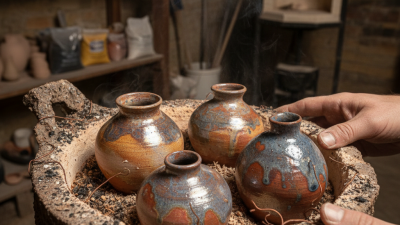
When you place your pottery inside a Ceramic Saggar, it creates a unique environment. This environment can lead to interesting effects on glazes and surface textures. Additionally, using a saggar allows for controlled oxidation and reduction conditions. Potters who experiment with different materials inside the saggar often discover inspiring outcomes.
However, the use of a Ceramic Saggar is not without its challenges. Achieving the desired results may take time, and not every experiment yields success. Some potters may find that their expectations do not match reality. Yet, this trial-and-error process is crucial for growth. Embracing imperfections can lead to unexpected beauty in your work.
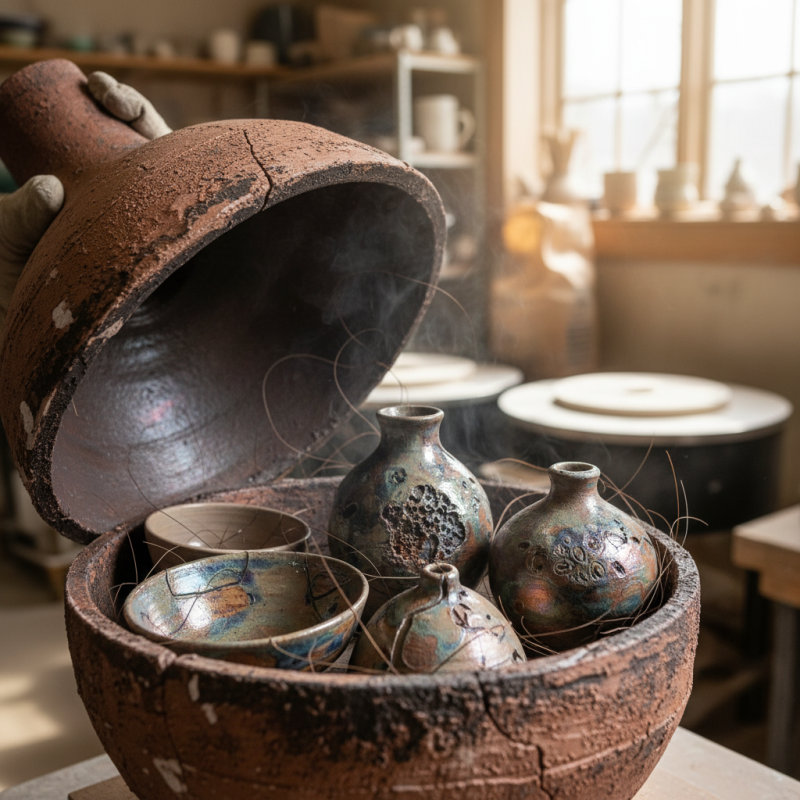
Understanding the Role of a Ceramic Saggar in Pottery Firing
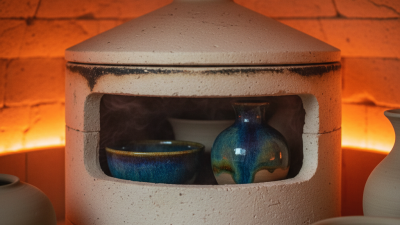
A ceramic saggar is essential in pottery firing. It creates a controlled environment that protects pieces from direct flame. This method influences the colors and finishes of the glaze, enhancing the final artwork. The saggar holds potential for surprise results; outcomes can vary with each use.
When using a saggar, it’s crucial to arrange the pieces thoughtfully. The placement can affect airflow and heat distribution. This means each firing can be a learning experience, requiring adjustments and reflections on previous attempts. It teaches potters the significance of experimentation.
Atmospheric changes within the saggar can lead to beautiful, unintended effects. Potters often discover colors and textures they didn't anticipate. While some may strive for perfection, embracing these surprises can lead to unique and authentic pieces. It’s a reminder that pottery is as much about the process as the outcome.
Benefits of Using Ceramic Saggars for Temperature Regulation
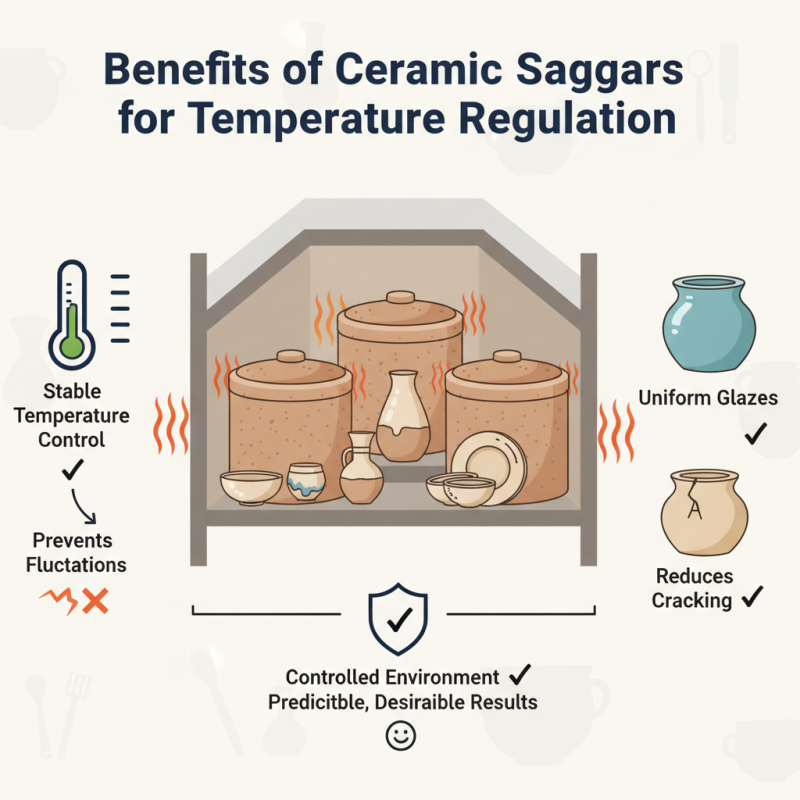
Ceramic saggars play a crucial role in pottery firing. They provide excellent temperature regulation during the firing process. This regulation helps to prevent temperature fluctuations that can lead to uneven glazes or cracking. By encasing your pieces in a saggar, you create a controlled environment. This leads to more predictable and desirable results.
When working with ceramic saggars, the choice of materials is essential. Certain clays can withstand high temperatures better than others. The right saggar can retain heat effectively, enhancing the final outcome of your work. This precision in temperature control can make a significant difference, especially in intricate designs or unique glazes. However, not all saggars perform equally, and experimentation is necessary.
Sometimes, using a saggar might not yield the expected results. Factors like miscalculating firing times or improperly stacking pieces can cause issues. These missteps can lead to disappointing results. Reflecting on these experiences can be valuable for future projects. The journey with ceramic saggars is about trial and error, learning, and evolving your techniques.
Impact of Saggar Materials on Creative Pottery Outcomes
Using a ceramic saggar in pottery firing significantly influences creative outcomes. Different saggar materials can produce diverse effects on glazes and textures. According to a study by the American Ceramics Society, incorporating alternative saggar materials can enhance the final aesthetics of pottery pieces by up to 30%. This finding emphasizes the importance of experimenting with various materials during the firing process.
The interaction between saggar materials and pottery creates unique results. For instance, using organic materials such as sawdust or leaves can impart rich colors and dramatic surfaces. However, not all attempts meet expectations. Sometimes, materials might produce unexpected textures or even undesirable marks. This unpredictability fosters a deeper understanding of the firing process.
Furthermore, the choice of saggar shapes and sizes matters. A tightly sealed saggar may intensify color effects, but it can also lead to a lack of airflow. A controlled environment enhances results, yet variables are ever-present. Engaging with these inconsistencies is crucial for growth. The exploration of ceramic saggars becomes not just about enhancing aesthetics but also about nurturing the artist's journey in pottery making.
Why Using a Ceramic Saggar Enhances Your Pottery Firing Results? - Impact of Saggar Materials on Creative Pottery Outcomes
| Saggar Material |
Impact on Color |
Effect on Texture |
Durability |
Cost |
| Clay-based |
Muted earth tones |
Smooth, consistent |
High |
Moderate |
| Sodium Silicate |
Bright, vivid |
Textured, varied |
Moderate |
Low |
| Refractory Brick |
Subtle shades |
Very rough |
Very high |
High |
| Ceramic Fiber |
Soft pastels |
Soft, delicate |
Medium |
Moderate |
| Metal Saggar |
Striking contrasts |
Unique patterns |
High |
Very high |
Combining Traditional Techniques with Ceramic Saggars in Modern Firing
The fusion of traditional pottery techniques and ceramic saggars is becoming increasingly popular among modern potters. Ceramic saggars provide a unique environment during firing that enhances the final appearance of clay pieces. These containers offer a controlled space for the pottery, allowing for better heat distribution and preventing direct exposure to flame.
Using a ceramic saggar can lead to unique surface effects and colors. The enclosed space interacts with the materials within, like sawdust or salt, creating stunning finishes. Potters are often inspired by ancient firing techniques, bringing their heritage into contemporary work. Yet, achieving the perfect results is not always straightforward.
There are variables in materials and firing temperatures that may produce unexpected outcomes. Potters sometimes need several attempts to achieve desired effects. It can be frustrating but also rewarding. Embracing experimentation is crucial to the pottery-making process. Each piece tells a story of its journey, marked by both success and learning moments.
Impact of Ceramic Saggars on Pottery Firing Results
This chart illustrates the significant improvement in pottery quality ratings when using a ceramic saggar during firing. The use of saggars helps to enhance the overall firing results, emphasizing the benefits of combining traditional techniques with modern practices.
Best Practices for Preparing and Using a Ceramic Saggar in Firing
Using a ceramic saggar can significantly improve your pottery firing results. A saggar acts as a protective enclosure during firing. This helps control the atmosphere around your pieces. The benefits of reduced oxidation and unique color variations can elevate your work.
Preparing the saggar is essential for success. Start by ensuring it is clean and free of debris. Consider using natural materials like sawdust or salt for added effects. These additions can create interesting surfaces on your pottery. It's also important to place your work carefully inside the saggar. Ensure there is ample space to prevent contact that may damage your pieces.
During firing, monitor temperature fluctuations. A well-controlled environment will yield the best results. Remember that experimentation is key. Sometimes, the unexpected outcomes can lead to impressive discoveries. Be open to adjusting your methods based on what you observe. Learning from both failures and successes cultivates better techniques over time.