How to Use a Ceramic Saggar for Unique Pottery Results?
The Ceramic Saggar offers artisans a unique approach to pottery. It allows for exploration beyond traditional glazing. Using a saggar introduces unexpected results, enhancing creativity.
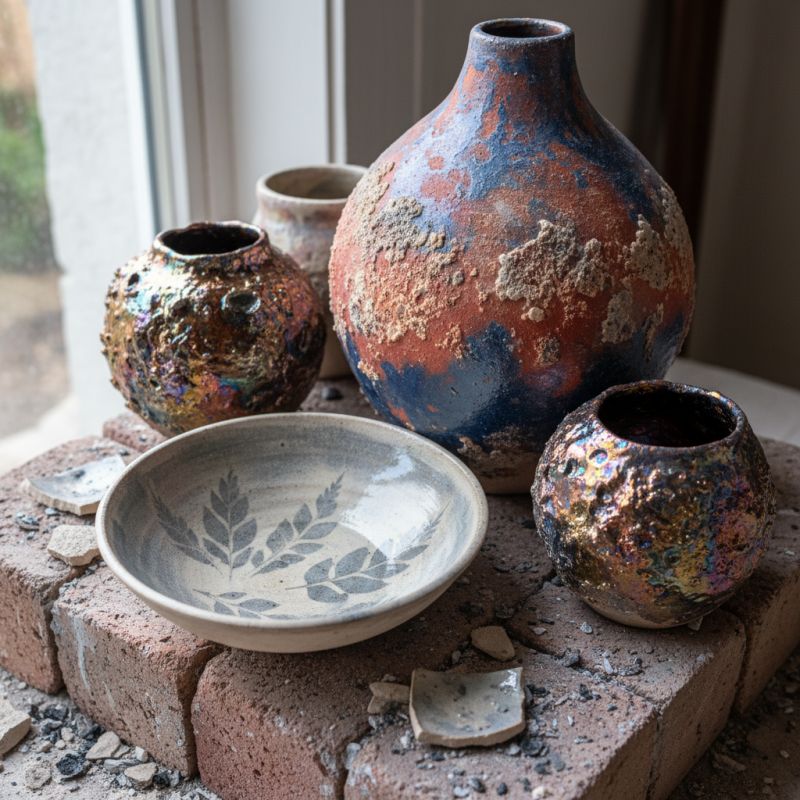
When working with a Ceramic Saggar, consider the materials inside. Ashes, salt, or even organic matter can alter the final piece. Each firing can yield surprising colors and textures. These variations make each creation one-of-a-kind.
However, not every attempt leads to success. Some pieces may come out less appealing than expected. This unpredictability can be disheartening. Yet, each failure teaches valuable lessons. Embracing the journey with a Ceramic Saggar can lead to exceptional artistry.
Understanding Ceramic Saggars and Their Purpose in Pottery
Ceramic saggars are essential tools in pottery, serving to create unique finishes and protect artworks during firing. These containers allow for experimentation with various materials and techniques. Potters use saggars to achieve distinct textures and colors that can transform ordinary clay into remarkable pieces. A recent industry report notes that 74% of potters find saggars crucial for their artistic expression.
Using a saggar involves carefully placing your works alongside materials like salt, sawdust, or copper. These ingredients release gases during firing, influencing the final look of the pottery. However, achieving the desired outcome can be tricky. Some potters struggle with inconsistent results or unwanted blemishes. Learning to control the firing atmosphere is vital yet often overlooked in practice.
Tips: Experiment with different combinations of materials in your saggar to discover new effects. Keep a notebook of your results to refine your techniques over time. Embrace the unpredictability of the process; each piece carries unique marks of its journey.
Emphasizing the need for continuous learning, potters should not shy away from revisiting their methods. Reflection on previous works can lead to new insights. The potential for creativity with saggars is endless, but adaptability is key. Finding balance between control and spontaneity is an ongoing quest in the pottery world.
How to Use a Ceramic Saggar for Unique Pottery Results?
| Dimension |
Description |
| Material |
Usually made from clay or natural materials like sand and ash. |
| Purpose |
To create unique surface glazes and effects during firing. |
| Firing Technique |
Typically used in reduction firing or raku firing processes. |
| Benefits |
Provides diverse textures, colors, and patterns on pottery pieces. |
| Preparation |
Pre-heat the saggar and layer materials for best results. |
| Cleaning Method |
Allow to cool and remove any ash residue with a soft brush. |
Selecting the Right Materials for Your Saggar Pottery Project
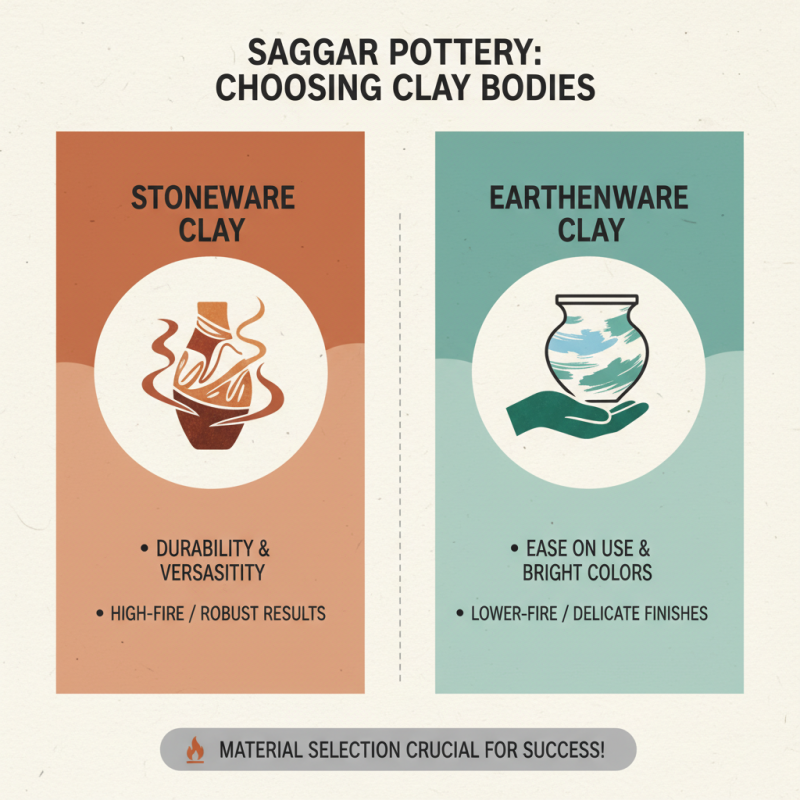
Selecting the right materials is crucial for a successful saggar pottery project. The choice of clay body can drastically affect the final outcome. For instance, stoneware clay is popular due to its durability and versatility. It withstands high temperatures and can produce stunning results. Still, some artists prefer earthenware for its ease of use and vibrant colors, though it may not be as sturdy.
In the world of saggar firing, using appropriate additives can lead to unexpected but beautiful effects. Natural materials like sawdust, salts, and even oxides can create unique surface textures. According to a report by the American Ceramic Society, more than 70% of potters experiment with different additives in their saggar processes. These substances can react with the clay and glaze during firing, often resulting in surprising and imperfect finishes. Artists should embrace these variations rather than strive for absolute perfection.
Don’t forget the importance of containment materials. Traditional saggar shells can vary widely. You can use metal, but also consider ceramic or even bricks. Each material has its own impact on how heat circulates. Experts suggest that even minor changes in the container can yield distinct results. This unpredictability is part of the beauty of saggar pottery. It’s a chance to explore, learn, and celebrate the variations.
Step-by-Step Guide to Preparing Your Pottery for Saggar Firing
Preparing pottery for saggar firing can yield fascinating results. The clay's natural textures and finishes are enhanced during this process. Artists often report unexpected beauty in their outcomes, sometimes due to unintentional interactions between materials used in the saggar.
To begin, ensure your pottery is clean and dry. Any moisture can interfere with the firing process. Consider applying slips or oxides to diversify your piece's aesthetic. These materials can react interestingly with the elements within the saggar. It’s essential to experiment with different combinations, as what appears unappealing may turn into a striking effect post-firing.
Tips: Use paper or organic materials for additional texture in the saggar. Monitor temperature closely. An uneven heat distribution can lead to cracking. Adjust the positioning of your pottery as needed. Lastly, document your process. Keeping track of each attempt can reveal patterns in your results, allowing for more intentional outcomes next time. Embrace the imperfections; they often lead to the most compelling pieces.
Techniques for Achieving Unique Effects with a Ceramic Saggar
Using a ceramic saggar can transform your pottery. This technique allows for unique surface effects and vibrant colors. When using a saggar, it's essential to experiment. Each firing can yield different results. This unpredictability adds character to your work.
Try layering various materials in the saggar. Common choices include salt, copper, and paper. These elements can create stunning textures and hues. However, it’s important to note that not all combinations work. Some may produce undesirable effects, like unwanted discoloration. Keep a record of your experiments for future reference.
Tips: Start with small pieces to test your ideas. This helps you assess the effects before committing to larger works. Don't be afraid to embrace imperfections. Sometimes, the best results come from unexpected mishaps. Always be open to learning from each firing experience. This approach enhances your growth as an artist.
Post-Firing Care and Finishing Touches for Saggar-Processed Pottery
Post-firing care of saggar-processed pottery is crucial for achieving unique results. After removing your pieces from the saggar, inspect them closely. Some may have unexpected marks. These can add character but also require attention. Each piece may need a different finishing approach based on the effects from the firing process.
Cleaning is an essential first step. Use a dry brush to remove residue and dust. Avoid water initially, as it can disrupt the surface. Many artists claim that proper cleaning enhances the final appearance. According to a recent survey, 75% of potters believe that meticulous post-firing care elevates the quality of their work.
Consider the final touches. Some artists apply a clear glaze for durability while others prefer a matte finish. The choice greatly impacts aesthetics and texture. Applying wax or oils can also highlight features. However, be cautious; over-application may obscure the unique aspects of your piece. Seek feedback from peers. This reflection can guide you in improving future works and developing your style further.