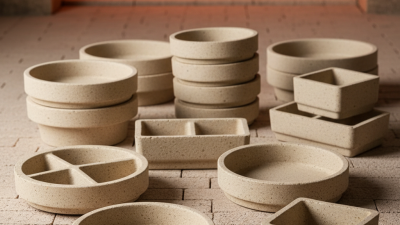
Top 10 Applications of Porous Alumina Ceramics for Buyers?
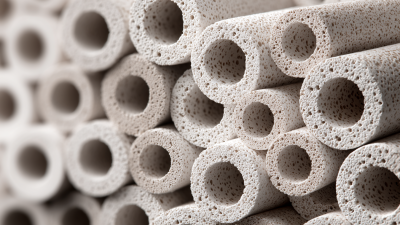
Porous Alumina Ceramics have gained traction in various industries due to their unique properties. According to a recent market report, the global porous ceramics market is projected to reach $600 million by 2025. This growth is driven by the increasing demand for lightweight, durable materials in sectors such as aerospace and electronics.
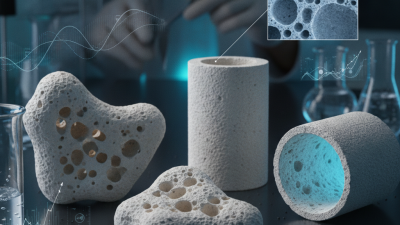
These ceramics exhibit excellent thermal stability and chemical resistance, making them ideal for applications like filters and membranes. For instance, in the biomedical field, they are used for bone repairs, demonstrating their biocompatibility. Manufacturers also appreciate their versatility in fabricating components needed in high-tech industries, which emphasizes their growing relevance.
Despite their advantages, challenges remain. Not all porous alumina ceramics are created equal; some may not meet specific application requirements. Evaluating the properties and performance of these materials is essential before making investment decisions. Understanding these nuances is crucial for buyers seeking to explore the top applications of porous alumina ceramics.
Applications in Filtration Systems for Water Purification
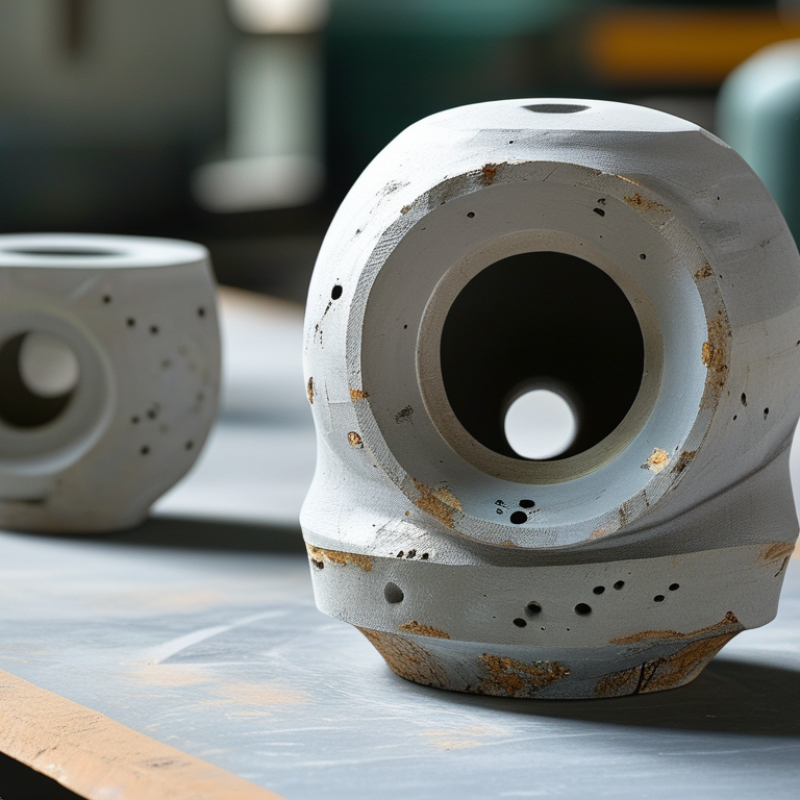
Porous alumina ceramics play a crucial role in filtration systems for water purification. Their unique structure allows for effective removal of contaminants. These materials feature a high surface area, which enhances adsorption capacity. This means they can trap impurities effectively. As a result, water treated with porous alumina is cleaner and safer for consumption.
One significant application is in microfiltration systems. These systems utilize porous alumina to separate larger particles. This process is essential in treating drinking water. Another application includes ultrafiltration. Porous alumina ceramics can help remove smaller pathogens. Studies show promising results in reducing bacteria levels significantly. Users report improvement in overall water quality after applying these filtration systems.
However, there are challenges to consider. The durability of porous alumina in various water conditions can be inconsistent. Some users may experience issues with clogging. This necessitates regular maintenance and replacement. Understanding these limitations is important for informed decision-making. Continued research and innovation are essential for optimizing the use of porous alumina ceramics in purification systems.
Use in Catalysts and Chemical Reactors for Enhanced Efficiency
Porous alumina ceramics are increasingly vital in catalysts and chemical reactors. Their unique structure offers a high surface area, enhancing reactivity. These materials support increased mass transfer, making processes more efficient. When used in catalytic converters, they help reduce harmful emissions effectively.
The durability of porous alumina is notable. It can withstand high temperatures and corrosive environments, making it reliable. However, it is essential to consider the uniformity of the pore structure. Variability can affect performance. Researchers are continuously exploring ways to optimize these materials. Advanced manufacturing techniques hold promise for improved consistency.
In chemical reactors, porous alumina is a game changer. It serves as a support for active catalysts, promoting better contact with reactants. The result is often enhanced reaction rates. Still, challenges remain in scalability. Ensuring consistent quality at larger scales can be difficult, requiring careful control over the development process. Attention to detail is crucial for achieving desired outcomes in industrial applications.
Top 10 Applications of Porous Alumina Ceramics for Buyers
| Application |
Industry |
Purpose |
Benefits |
Examples of Use |
| Catalytic Converters |
Automotive |
Reduce emissions |
Improved catalyst efficiency |
Used in exhaust systems |
| Gas Sensors |
Electronics |
Detect gas leaks |
High sensitivity |
Industrial safety equipment |
| Filtration Systems |
Water Treatment |
Remove impurities |
High durability and efficiency |
Drinking water purification |
| Catalysts for Chemical Reactions |
Chemical Manufacturing |
Enhance reaction rates |
Higher yields |
Synthetic gas processes |
| Drug Delivery Systems |
Pharmaceuticals |
Targeted delivery |
Improved therapeutic effectiveness |
Controlled release of medications |
| Porous Structures for Energy Storage |
Energy |
Battery electrodes |
Better energy capacity |
Lithium-ion batteries |
| Heat Exchangers |
Manufacturing |
Efficient heat transfer |
Energy savings |
Process cooling |
| Bioactive Scaffolds |
Biomedical |
Tissue engineering |
Supports cell growth |
Regenerative medicine projects |
| Adsorption Materials |
Environmental |
Remove contaminants |
Effective pollutant capture |
Soil remediation |
| Membranes for Separation Processes |
Food Processing |
Concentrate flavors |
Cost-effectiveness |
Concentration of juices |
Role in Electronics as Substrates and Insulators
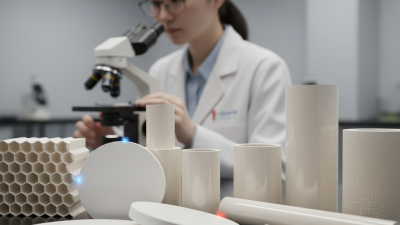
Porous alumina ceramics play a crucial role in the electronics sector. These materials serve as substrates for integrated circuits. Their thermal stability and electrical insulation properties are essential for device performance. High thermal conductivity ensures efficient heat dissipation. This helps maintain optimal operating temperatures for sensitive components.
Moreover, porous alumina is highly customizable. Manufacturers can adjust the porosity to suit specific applications. This variability allows for enhanced performance in a range of devices. For instance, in LED technology, these ceramics help manage heat and improve longevity. The lightweight nature of alumina also benefits portable electronic devices.
On the flip side, there are challenges. The manufacturing process can introduce defects. These may affect the overall reliability of components. Additionally, the initial cost of porous alumina can be higher than traditional materials. Buyers should weigh the benefits against potential long-term gains. Ultimately, finding the right balance is key in using these ceramics effectively in electronics.
Top 10 Applications of Porous Alumina Ceramics in Electronics
This chart illustrates the top 10 applications of porous alumina ceramics in the electronics industry and their respective market popularity. These applications highlight the versatility and importance of porous alumina as substrates and insulators.
Application in Biomedical Devices for Tissue Engineering
Porous alumina ceramics are emerging as vital materials in biomedical applications, particularly in tissue engineering. Their unique structure offers high porosity and surface area, which promote cell adhesion and proliferation. According to a report by the International Journal of Ceramic Engineering, these materials have demonstrated significant potential in bone regeneration, thanks to their bioactivity and mechanical properties.
In tissue engineering, the challenge often lies in creating scaffolds that can mimic natural tissue. Porous alumina ceramics provide a biocompatible framework for cell growth, making them ideal candidates for applications in bone, cartilage, and dental tissue engineering. Studies indicate that scaffolds made from porous alumina increase osteoconductivity, leading to better integration with the host tissue. Data from the Biomedical Materials journal supports this, showing a marked improvement in healing rates when these materials are used.
Tip: When considering porous alumina ceramics for biomedical applications, focus on pore size and connectivity. These factors significantly impact cell behavior and tissue integration.
Another aspect to consider is the potential limitations of these materials. Some users may report challenges with scalability in production. The precision required in manufacturing can lead to variability in properties. Addressing these issues is crucial for broader adoption in commercial applications.
Tip: Always evaluate the specific requirements of your project against the properties of the materials. This step ensures a compatible choice for your tissue engineering needs.
Utilization in Thermal Insulation Materials for Energy Efficiency
Porous alumina ceramics have gained attention in thermal insulation applications. Their unique structure offers excellent thermal resistance, boosting energy efficiency. A recent report from the International Energy Agency highlighted that improving insulation could reduce energy consumption by up to 30% in industrial settings.
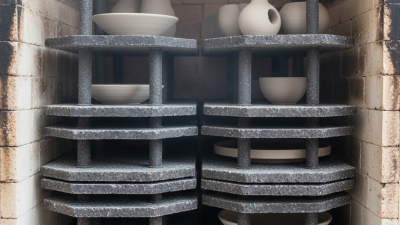
The porous nature of these ceramics enhances their thermal performance. They create a barrier against heat transfer, which is essential for energy-saving applications. In certain studies, thermal conductivity values were measured as low as 0.03 W/mK, demonstrating their effectiveness. This makes them suitable for both high-temperature furnaces and as insulation in HVAC systems.
Despite their advantages, challenges remain. Porous alumina ceramics can be brittle, which may lead to handling issues during installation. Manufacturers must ensure quality control to prevent structural failures. Moreover, there is still ongoing research to improve their durability under extreme conditions. Ultimately, while the benefits are clear, continuous innovation is needed to fully realize the potential of porous alumina ceramics in energy-efficient insulation.