Exploring the Benefits of Cordierite Mullite Plate in China Top Manufacturing?
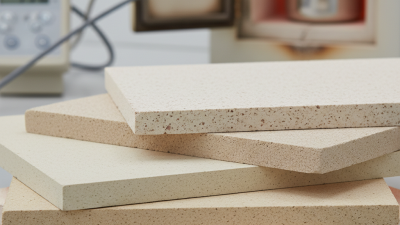
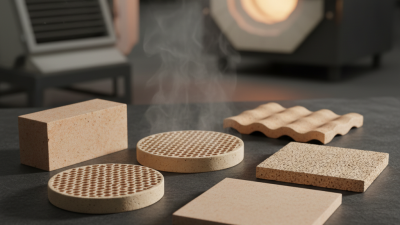
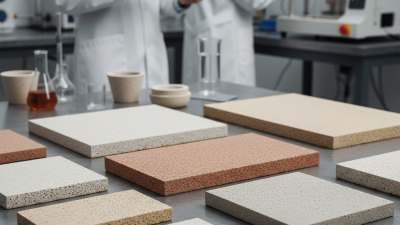
The Cordierite Mullite Plate has gained attention in the manufacturing sector of China due to its unique properties. This material exhibits excellent thermal shock resistance and high mechanical strength, making it ideal for various industrial applications. According to a recent market report, the demand for cordierite materials is projected to grow at a CAGR of 6.5% over the next five years.
Using Cordierite Mullite Plates can improve efficiency in high-temperature environments. They minimize energy consumption and enhance durability in kilns and furnaces. However, challenges exist. The production process can be complex and requires skilled labor. This factor may affect output consistency.
In the competitive landscape of manufacturing, adopting advanced materials can provide a significant edge. Companies leveraging Cordierite Mullite Plates are often at the forefront of innovation. Yet, there is a need for more research to fully understand the long-term performance of these materials under different conditions.
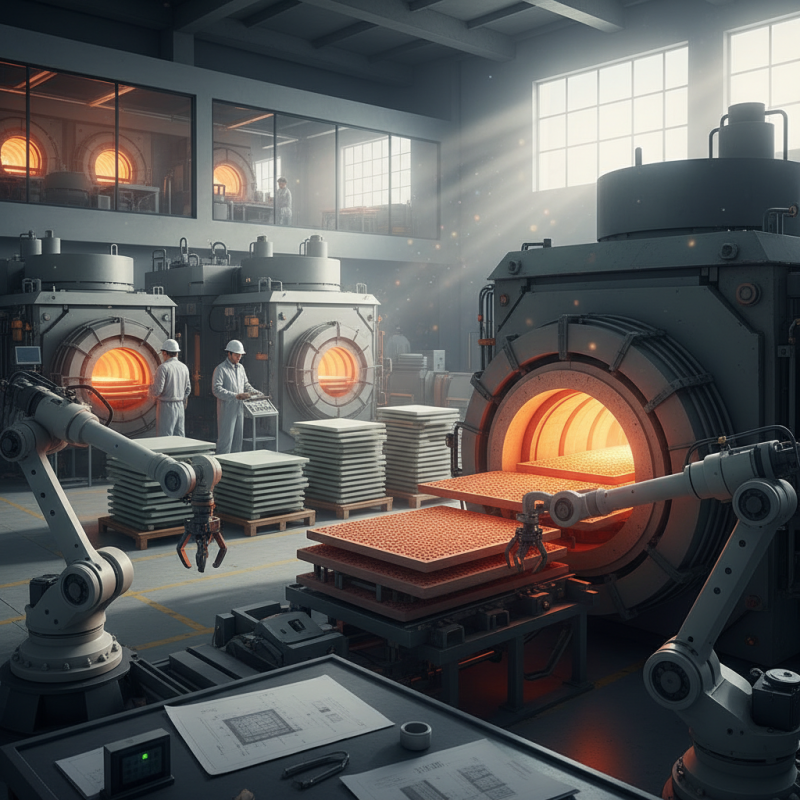
Benefits of Cordierite Mullite Plate in Industrial Applications
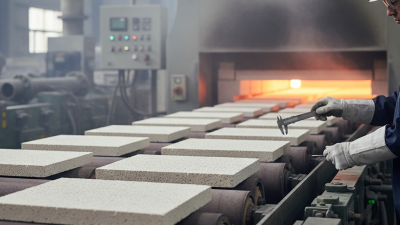
Cordierite mullite plates are increasingly favored in industrial applications due to their unique material properties. These plates boast high thermal shock resistance. This characteristic makes them ideal for environments with sudden temperature changes. Industries benefit from using these plates in kilns and furnaces, where thermal stability is crucial.
The plates also exhibit excellent mechanical strength. This durability ensures they can withstand heavy loads and mechanical stress. In manufacturing processes, a failure of materials can lead to costly downtime. Cordierite mullite plates help mitigate this risk. Their resistance to deformation under extreme temperatures enhances reliability in various applications.
While cordierite mullite plates offer numerous advantages, they are not without challenges. Some manufacturing processes may require strict tolerances. Variations in plate thickness or surface quality can impact performance. Therefore, industries must carefully evaluate their production methods. Continuous improvement in plate manufacturing is essential to maximize their potential.
Benefits of Cordierite Mullite Plate in Industrial Applications
Properties of Cordierite Mullite Plate and Their Advantages
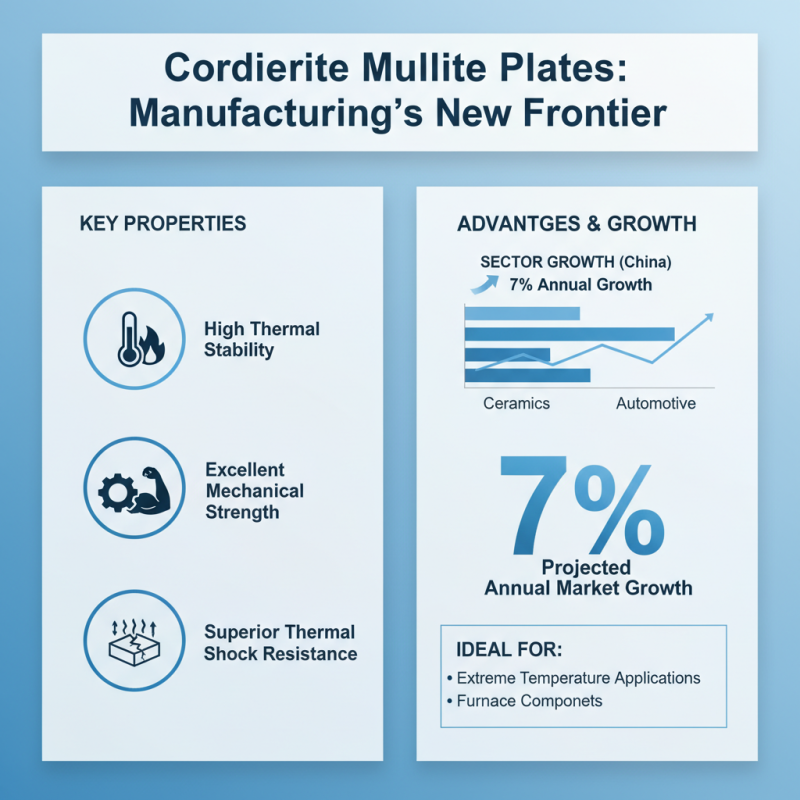
Cordierite mullite plates are gaining traction in the manufacturing sector in China. These plates are known for their high thermal stability and excellent mechanical properties. According to the latest market research, the demand for cordierite materials in industries such as ceramics and automotive is projected to grow by 7% annually. The ability of cordierite to withstand thermal shock makes it ideal for applications that experience extreme temperature fluctuations.
The unique composition of cordierite mullite results in low thermal expansion and impressive resistance to corrosion. This characteristic allows manufacturers to maintain high efficiency while reducing costs. In various applications, these plates enhance energy savings, especially in kilns and furnaces. Notably, they can reduce energy consumption by up to 20%, based on recent industry studies. This efficiency is crucial for manufacturers looking to minimize operational expenses.
However, there are challenges to consider. While cordierite plates offer numerous advantages, issues such as fragility during handling can pose risks. Manufacturers must invest in proper training for staff to mitigate these concerns. Careful management of production processes is essential for maximizing the benefits and ensuring the longevity of cordierite applications. This approach not only enhances performance but also upholds the quality standards expected in top-tier manufacturing.
Comparative Analysis of Cordierite Mullite Plate with Other Materials
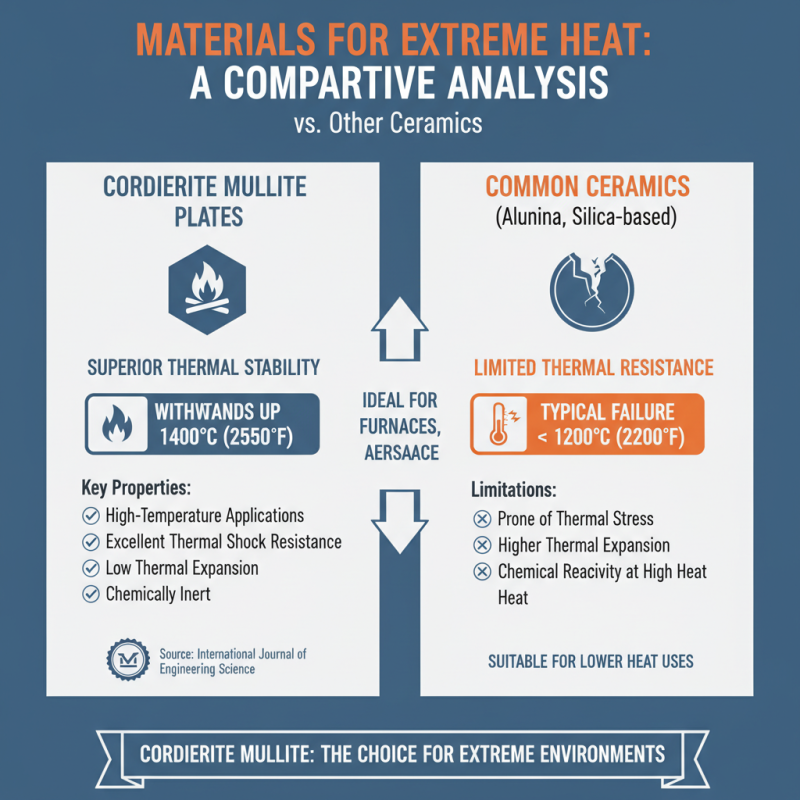
Cordierite mullite plates exhibit unique properties that distinguish them from various alternative materials. Their thermal stability is critical. According to the International Journal of Engineering Science, cordierite mullite can withstand temperatures up to 1400°C. This makes them suitable for high-temperature applications, unlike many common ceramics. Typical alumina and silica-based materials often fail under extreme stress.
In contrast to traditional materials, cordierite mullite displays excellent thermal shock resistance. Research published in the Journal of Materials Science highlighted a low coefficient of thermal expansion. This is a key advantage during rapid temperature changes. Many manufacturers underutilize this property, leading to increased failure rates with conventional materials. It's essential to recognize these limitations in order to improve performance in applications.
Further analysis reveals that the mechanical strength of cordierite mullite is often underestimated. Studies indicate a potential compressive strength exceeding 300 MPa. Many industries may overlook this, opting for materials that ultimately compromise durability. Engineers should regularly evaluate the longevity and reliability of their casting materials. Improved understanding can lead to enhanced product life cycles and reduced costs over time.
Market Trends and Demand for Cordierite Mullite Plate in China
The demand for cordierite mullite plates in China has witnessed a significant rise. Recent market analysis shows that the domestic industry is growing at a rate of approximately 8% annually. This is largely driven by the construction sector, where the need for durable and heat-resistant materials is paramount. Understanding this trend is crucial for manufacturers and stakeholders aiming for a competitive edge.
Cordierite mullite plates are favored for their thermal stability and low thermal expansion. They are widely used in kiln linings, which require materials that can withstand extreme temperatures. Specific data from the China Ceramic Industry Association indicates that over 60% of manufacturers are transitioning to cordierite mullite due to these advantageous properties. However, the high cost of production remains a hurdle. This factor may limit access for smaller manufacturers, pushing them to seek alternatives.
Quality control and sourcing raw materials are crucial challenges in this sector. Potential fluctuations in supply chains affect pricing and availability. Additionally, addressing environmental concerns in production processes is increasingly important. Meeting these standards can enhance the overall trust and reliability of cordierite mullite products in the marketplace.
Challenges and Future Prospects for Cordierite Mullite Plate Manufacturing
The manufacturing of cordierite mullite plates in China faces significant challenges. The production process is complex and requires precision. High-quality raw materials must be sourced and processed carefully. Many factories struggle with maintaining consistent quality, which can lead to defective products. This inconsistency often hampers the trust between manufacturers and clients.
Labor shortages also impact production capacity. Skilled labor is essential for handling sophisticated machinery and ensuring quality control. Many workers lack the necessary training, which reduces efficiency. Furthermore, environmental regulations are becoming stricter. Factories must invest in cleaner technologies, adding financial strain to the overall manufacturing process.
Despite these difficulties, the demand for cordierite mullite plates is rising. Industries like ceramics and electronics increasingly rely on these materials. Companies must adapt by investing in technology and workforce development. The focus should be on creating a sustainable manufacturing model. Continuous improvement is crucial. By addressing these challenges, manufacturers can secure a reliable future in this competitive market.
Exploring the Benefits of Cordierite Mullite Plate in China Top Manufacturing? - Challenges and Future Prospects for Cordierite Mullite Plate Manufacturing
| Dimension |
Description |
Current Trends |
Future Prospects |
| Material Properties |
High thermal shock resistance and excellent mechanical stability |
Increasing demand in high-temperature applications |
Potential for development in aerospace and automotive sectors |
| Production Techniques |
Advanced ceramic processing and sintering methods |
Emphasis on automation and energy-efficient processes |
Investment in innovative production technologies |
| Market Demand |
Used widely in industries such as electronics and textiles |
Stable growth driven by industrial expansion |
Forecasted to grow with new applications in renewable energy |
| Challenges |
High production costs and raw material sourcing |
Competitive pricing pressures in the global market |
Need for efficient supply chain management |
| Sustainability |
Focus on reducing environmental impact in production |
Adoption of recycled materials in manufacturing |
Emergence of eco-friendly production standards |