What is a Ceramic Saggar and Why is it Essential for Pottery?
In the world of pottery, the **Ceramic Saggar** plays a crucial role. It provides a protective environment during firing. This simple yet effective tool helps to shape the final outcome of ceramic pieces.
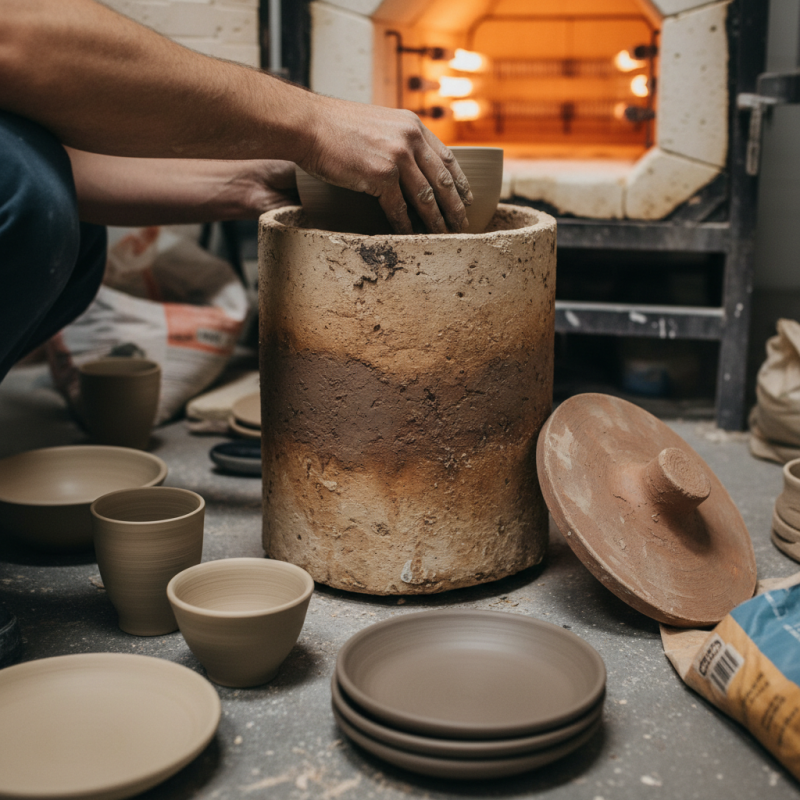
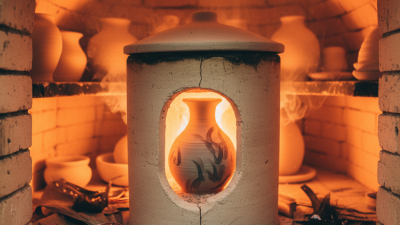
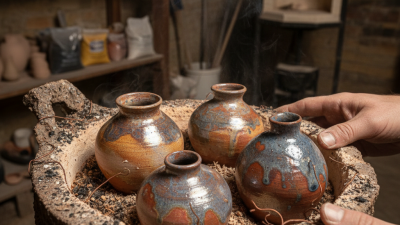
Ceramic Saggars are often made of clay or firebrick materials. They contain and shield pottery from direct flame and harmful elements in the kiln. This process can lead to unique colorations and textures. Potters often appreciate the character added through the saggar's influence, embracing the unpredictable results.
However, the use of a Ceramic Saggar requires skill and experience. It demands careful consideration of placement and materials. Mistakes can lead to unexpected outcomes. Each firing presents learning opportunities. Understanding how to utilize saggars effectively can elevate a potter's work. In many ways, mastering the saggar is part of the artistic journey in pottery.
What is a Ceramic Saggar and Its Definition in Pottery
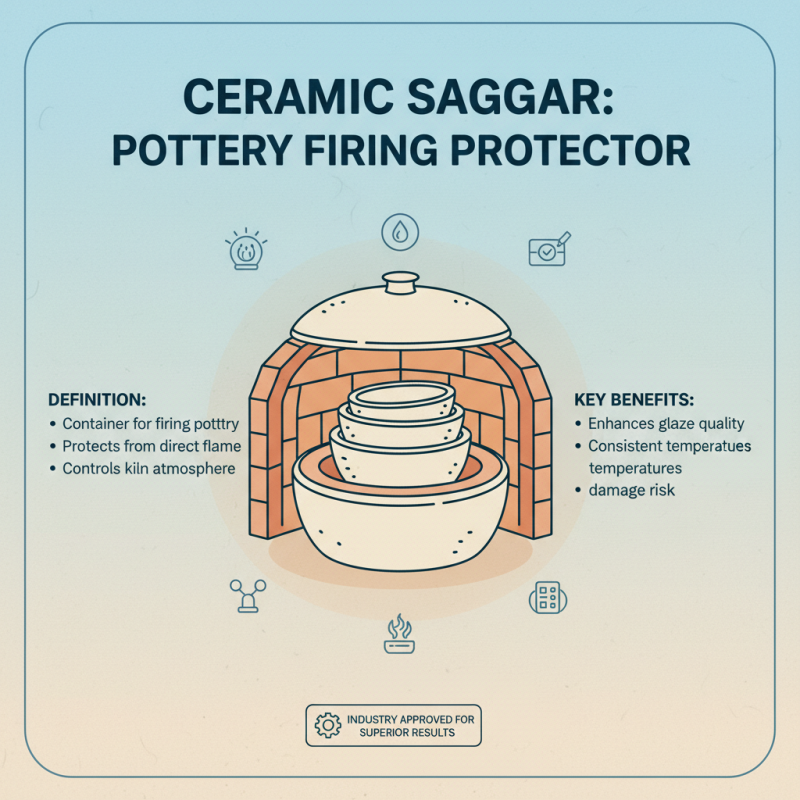
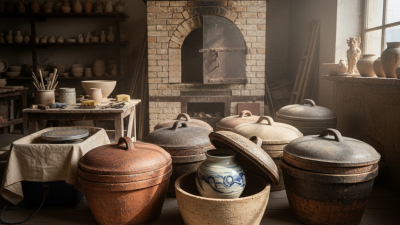
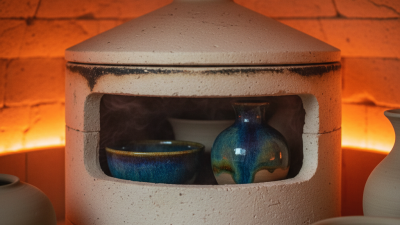
A ceramic saggar is a container used in pottery to protect pieces during firing. It shields the ceramics from direct flame and helps control the atmosphere inside the kiln. This is crucial for achieving the desired glaze effects. According to industry reports, utilizing a saggar can significantly enhance the quality of finished pieces. Saggars maintain consistent temperatures and reduce the risk of damage during the firing process.
The design of a saggar is simple yet effective. Typically made from clay or similar materials, it’s essential for potters aiming to produce unique art. Various shapes can accommodate different pottery types. Linoleum and stoneware saggars are commonly used for their durability. However, not all potters opt for saggars. Some may exclude them to experiment with radical effects, leading to unpredictable results.
Moreover, the inconsistency in firing with no saggar may inspire reflection. While some creations can emerge beautifully, the risk of cracking or discoloration increases. The choice to use a saggar or not is deeply personal. Each potter must weigh their artistic goals against technical reliability and the unpredictability of their craft. Embracing the saggar not only aids in the artistic process but also encourages a dialogue about tradition versus innovation in pottery today.
The History of Ceramic Saggars in Traditional Pottery Practices
Ceramic saggars have an intriguing history in traditional pottery practices. Dating back to ancient civilizations, they were used to protect pottery during firing. Early potters crafted saggars from clay, shaping them into simple containers. This innovation allowed pots to avoid direct contact with ash and soot, minimizing surface blemishes.
Throughout the centuries, saggars evolved in both form and function. They began to showcase the potter's artistry, with intricate designs marking their surfaces. In Japan, for example, the creation of saggars took on spiritual significance, reflecting the potter's philosophy. Despite their importance, saggars can sometimes be overlooked. Many potters today still struggle with their use, finding it challenging to balance protection and creative expression.
The use of saggars in contemporary settings raises questions. Are they still essential? Some potters argue they can limit experimentation. Yet, others appreciate the protective benefits they offer. This ongoing debate highlights the delicate dance between tradition and innovation in the pottery world. While saggars might seem outdated to some, their historical significance continues to resonate.
How Ceramic Saggars Protect Pottery During Firing
Ceramic saggars play a vital role in the pottery firing process. They are protective containers, often made of clay, that shield pottery from harmful elements during firing. According to the American Ceramic Society, around 30% of pottery defects occur due to environmental factors in the kiln. Using saggars significantly reduces this risk.
[Image]
During firing, pottery is exposed to extreme heat and various gases. Saggars trap these gases, preventing them from directly affecting the pottery's surface. This helps maintain the integrity of glazes and surfaces. Studies indicate that ceramics fired in saggars show 20% fewer flaws compared to those without protection.
Moreover, saggars can influence finished aesthetics. Different saggar materials can impart unique effects on pottery surfaces. Potters often experiment, embracing the unpredictability of the outcomes. However, there can be challenges, particularly when selecting materials. The right balance is crucial for achieving the desired results. Understanding these factors can lead to better pottery outcomes.
Types of Ceramic Saggars and Their Unique Features
Ceramic saggars are crucial in pottery. They protect pieces during firing and allow for unique effects. Different types of saggars can create varying results based on their material and design.
One common type is the traditional clay saggar. Made from clay, they are simple yet effective. They often lead to subtle, natural finishes in the final product. Another variant is the metal saggar, which can withstand higher temperatures. This type allows for more dramatic color changes. A report from the Pottery Guild highlights that potters using metal saggars reported an 80% increase in unique glaze effects.
Tip: Experiment with different types of saggars. Each one can yield distinct results. Document these results for future reference.
Lastly, wood-fired saggars are gaining popularity. They are shaped from fire-resistant materials. These saggars impart organic textures and colors, making them a favorite among artisans. However, they may not always work with every clay body, leading to unexpected outcomes. Understanding the material limits is key for consistent success.
Tip: Always test your saggar choices and note how they affect your pieces. This exploration can enhance your potting skills.
What is a Ceramic Saggar and Why is it Essential for Pottery? - Types of Ceramic Saggars and Their Unique Features
| Type of Saggar |
Material |
Features |
Best Use |
| Standard Saggar |
Clay |
Commonly used for general firing, protects pieces from direct heat. |
Stoneware and earthenware |
| Post-firing Saggar |
Metal or Heat-resistant ceramic |
Used for Raku and reduction firing, allows unique surface effects. |
Raku pottery |
| Minimalist Saggar |
Stoneware |
Features simple design, ideal for artists focusing on form. |
Artistic pieces |
| Custom Saggar |
Varied ceramic composites |
Specifically designed for individual projects, tailored to desired effects. |
High-end pottery |
The Importance of Saggars in Achieving Specific Glaze Effects
In the world of pottery, saggars play a crucial role in achieving unique glaze effects. A ceramic saggar is a protective container used during firing. It shields pottery pieces from direct flame and helps control their environment inside the kiln. This containment leads to more effective glaze application and results in stunning variations in color and texture.
Saggars can be made from various materials, such as clay or metal. Potters often experiment with materials to see how they influence the final outcome. The position of the pottery within the saggar, along with the use of different combustible materials, contributes to unpredictable yet captivating results. Each firing can yield surprising effects, pushing potters to embrace uncertainty.
However, achieving the desired result can be challenging. Not all experiments lead to success. Sometimes, the desired glaze effect remains elusive or fails entirely. This unpredictability can be frustrating, but it is also part of the artistic process. Each failure provides valuable insights into glazing techniques, urging potters to refine their methods and continue exploring the depths of their craft.