Zirconia Ceramic components are chosen for demanding applications because they can offer high hardness, wear resistance, and performance in challenging environments. Yet material reputation alone does not make a supplier the right fit. Buyers also need to consider part geometry, operating conditions, tolerances, and the consistency required from one production batch to the next. Details matter.
This guide explores how global buyers can assess China-based Zirconia Ceramic suppliers without relying on catalog claims alone. It focuses on practical checks: reviewing technical drawings, asking about material grades and manufacturing processes, inspecting samples, and confirming how quality records are maintained. Clear answers about lead times, packaging, export experience, and communication can also reveal how well a supplier manages real orders. A low quotation may look attractive, but it deserves closer review if specifications or inspection expectations remain unclear.
No single supplier suits every project. A small, intricate component may need different production expertise from a large wear-resistant part, and a successful sample does not guarantee identical results at scale. That takes time. Buyers should compare evidence, request relevant documentation, and discuss potential limitations before committing to volume production. This overview offers a structured starting point for that work, while recognizing that supplier capabilities and project requirements can vary. The best choice is not simply the lowest price or the most polished website; it is a supplier whose technical response, quality controls, and delivery plan match the buyer’s actual needs.
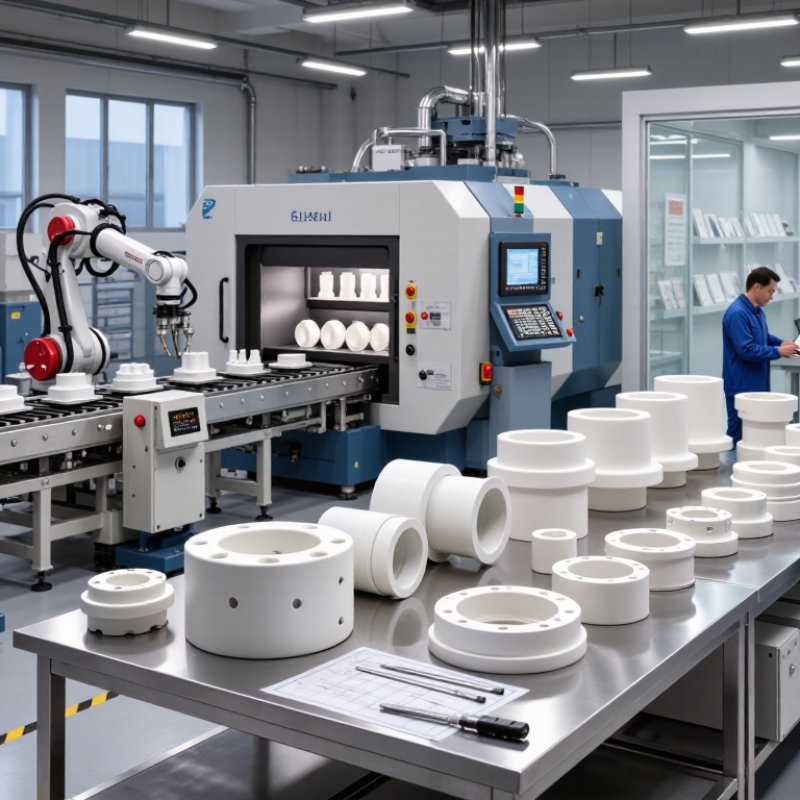
Zirconia ceramics are engineered components made mainly from zirconium dioxide, or ZrO₂. Pure zirconia changes crystal structure as it cools, so manufacturers add stabilizers such as yttria to control that behavior. The result can combine high strength, wear resistance, and useful fracture toughness. Details matter. Composition, grain size, and firing conditions affect performance, so “zirconia” alone does not define a component’s quality.
In dentistry, zirconia is used for crowns and bridges because it can withstand chewing forces and be shaped for a natural-looking finish. Industrial uses include pump seals, valve parts, oxygen-sensor elements, and thermal-barrier coatings. These parts may face abrasion, heat, or corrosive environments.
Buyers should compare grade, tolerances, and test conditions. A published strength value can be misleading if the test method differs. One practical limitation remains: high-performance zirconia can be costly to machine, and design choices sometimes trade toughness for translucency.
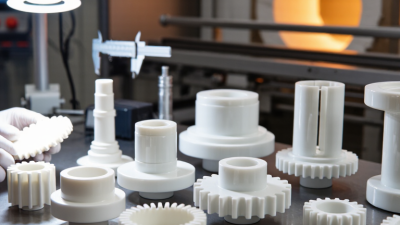
Evaluating zirconia ceramic suppliers in China starts with the part, not the sales pitch. Share a drawing and ask whether the supplier can hold your critical dimensions across a production batch. Request a technical data sheet covering zirconia grade, density, hardness, strength, and test methods. Numbers without methods are hard to compare. Check whether tolerances and surface-finish requirements are stated clearly.
Ask for a sample made using the intended production process. Inspect edges, holes, and thin sections under consistent lighting; small chips can be easy to miss. A polished sample alone proves little. Ask how dimensional inspection is recorded and whether batch reports can be provided. If your application involves repeated loads or heat, discuss those conditions before approving a material grade.
Review the supplier’s quality procedures, equipment, and experience with similar component shapes. A video call or factory visit can help clarify who controls machining, firing, and final inspection. Confirm packaging, lead times, and how nonconforming parts are handled. Keep answers in writing. I still find this easy to overlook: a detailed quotation can leave inspection criteria vague. Ask for measurable acceptance limits before placing an order, then compare suppliers against the same requirements.
Zirconia ceramic suppliers serve different roles. Material producers focus on powder preparation and consistent formulations. Component manufacturers turn that material into items such as sleeves, bearings, and wear plates. Engineering suppliers may also review drawings and adjust designs for machining or assembly. A distributor can offer convenient access to standard parts, but may have less control over production details. These categories overlap, so buyers should ask who actually makes each component.
Capabilities matter as much as supplier type. Check whether the factory handles forming, sintering, precision grinding, and polishing in-house. A finished bore might need tight dimensional control, while a sealing surface may require a specified roughness. Ask how dimensions are inspected and whether reports can be matched to production lots. Samples help, but one successful sample does not prove every batch will be consistent. No supplier is perfect; even a detailed specification can miss a practical assembly issue.
Tips: Send a drawing with tolerances, operating temperature, and contact conditions. Ask for sample inspection data and clarify which processes are outsourced. If possible, test parts in the actual assembly before approving larger orders.
Typical flexural strength ranges for common dental zirconia grades (MPa)
These indicative commercial ranges vary by formulation and test method. Material suppliers typically focus on zirconia powder or blanks, component manufacturers on forming and precision finishing, and dental CAD/CAM suppliers on milling and restoration workflows. Buyers should verify product-specific test data and manufacturing capabilities.
Choosing a zirconia ceramic supplier starts with evidence, not polished claims. Ask for a quality system certificate and check its issuing body, validity, and scope. ISO 9001 can indicate controlled processes, but it does not certify every part. Request batch-level test reports for density, flexural strength, and dimensional tolerance. Details matter.
For critical components, compare the supplier’s test method with your drawing and application. A small change in shrinkage or finish can affect fit during assembly. Review sample inspection records and ask how nonconforming batches are handled. Even capable factories can have gaps; an attractive report may not reflect the latest production lot. Verify that it does.
Export readiness needs equal attention. Confirm that the supplier can provide consistent product descriptions, packing lists, commercial invoices, and origin documents when required by the destination. Ask how parts are protected against impact and moisture during transit, and whether packaging suits your storage conditions. Before placing a large order, check lead times, communication practices, and document accuracy with a trial shipment. An honest supplier should state what it cannot certify, rather than promise every standard.
A low unit price can hide expensive tooling, inspection, or packaging fees. Ask every supplier to quote the same drawing, material grade, tolerances, quantity, and delivery terms. Compare sample charges and repeat-order prices separately. A quote can still mislead.
Lead times need the same scrutiny. Request dates for tooling, first samples, production, and dispatch, not one broad estimate. The USGS Mineral Commodity Summaries 2024 estimated global zirconium mineral-concentrate production at about 1.4 million metric tons in 2023. This is raw material, not finished zirconia capacity, so it cannot confirm a factory’s schedule. The World Bank’s 2023 Logistics Performance Index assessed 139 economies, offering useful context on logistics, but not a guarantee of shipment timing. Ask suppliers for recent on-time delivery records and a named contact for delays or quality claims.
Tips: Send one real part drawing. Ask for a written timeline, inspection report, and response-time commitment. Check how support handles a cracked sample or a missed dispatch date. Details matter. A quick reply is useful, but a clear corrective-action plan is better.
Comparison guide to common supplier models in China. The lead-time ranges below are indicative planning estimates, not supplier-specific guarantees or quotes. Actual pricing and delivery depend on part geometry, material grade, tolerances, order quantity, testing, and shipping terms.
| Supplier model | Typical fit | Relative price* | Indicative sample lead time | Indicative production lead time | Customer support to assess | Questions to ask before ordering |
|---|---|---|---|---|---|---|
| High-volume manufacturer | Repeat orders of established parts with stable specifications and forecastable demand. | Often lower per piece at higher volumes; tooling, setup, and minimum order quantities may affect the total cost. | About 2–4 weeks for a new or modified sample. | About 4–8 weeks after drawing approval and order confirmation. | Check production planning, inspection records, change control, and ability to manage repeat orders. | What are the MOQ, tooling charges, capacity assumptions, and re-order lead time? |
| Precision machining specialist | Tight-tolerance components, intricate features, or parts requiring controlled finishing and dimensional inspection. | Often higher for complex geometries or demanding tolerances; compare the quoted inspection scope as well as the unit price. | About 2–5 weeks, depending on tooling and machining requirements. | About 5–10 weeks for custom parts; complexity and inspection requirements can extend this range. | Look for clear tolerance reviews, measurement methods, first-article inspection, and prompt engineering feedback. | Which dimensions can be held consistently, and what inspection report is included? |
| Engineered ceramics distributor or sourcing partner | Buyers seeking help with sourcing, mixed product requirements, or communication across multiple manufacturing processes. | May include a sourcing or service margin; compare the delivered cost and responsibility for quality follow-up. | About 1–4 weeks if a suitable sample is available; custom samples take longer. | About 4–10 weeks, depending on the production source and whether the item is stocked or custom-made. | Confirm who owns technical questions, verifies the factory, handles nonconformities, and provides traceability. | Who manufactures the part, and can you provide material and inspection documentation? |
| Application-focused custom producer | New designs, application-specific material selection, or development work requiring engineering collaboration. | Development and engineering costs may be higher initially; evaluate total project cost and the path to repeat production. | About 3–6 weeks for a new design or material evaluation. | About 6–12 weeks for an initial custom production order; later orders may differ once the process is established. | Assess design-for-manufacturing input, technical documentation, sample iteration, and response time. | What development work is included, and how are drawing changes and sample approvals managed? |
*How to compare price: Request like-for-like quotations using the same drawing revision, zirconia grade, annual quantity, tolerance requirements, surface finish, inspection documents, packaging, and Incoterms. Unit prices are not directly comparable when these items differ. Confirm whether quoted lead times start after drawing approval, deposit, or material availability, and ask for the shipping estimate separately.