How to Choose the Best Technical Ceramic for Your Needs?
Choosing the right technical ceramic for your project can be daunting. Technical ceramics are critical in various industries. They offer unique properties like high strength, durability, and resistance to heat. Understanding these materials can help narrow down your options.
In your selection process, start by considering the application. Will it be used in electronics, aerospace, or automotive sectors? Each sector has specific requirements. Researching these needs ensures you pick the best fit. Also, consider the environmental conditions the ceramic will face. High temperatures, corrosive environments, or mechanical stress may influence your choice.
While there is plenty of information available, it is essential to rely on trusted sources. Look for suppliers with a proven track record. Request samples to evaluate performance in real-world conditions. Gathering practical experiences helps inform your decision. Remember, not all technical ceramics are equal. Some may perform exceptionally well but be costly. Balancing performance with budget is crucial for achieving the best result.
Understanding Technical Ceramics: Types and Properties
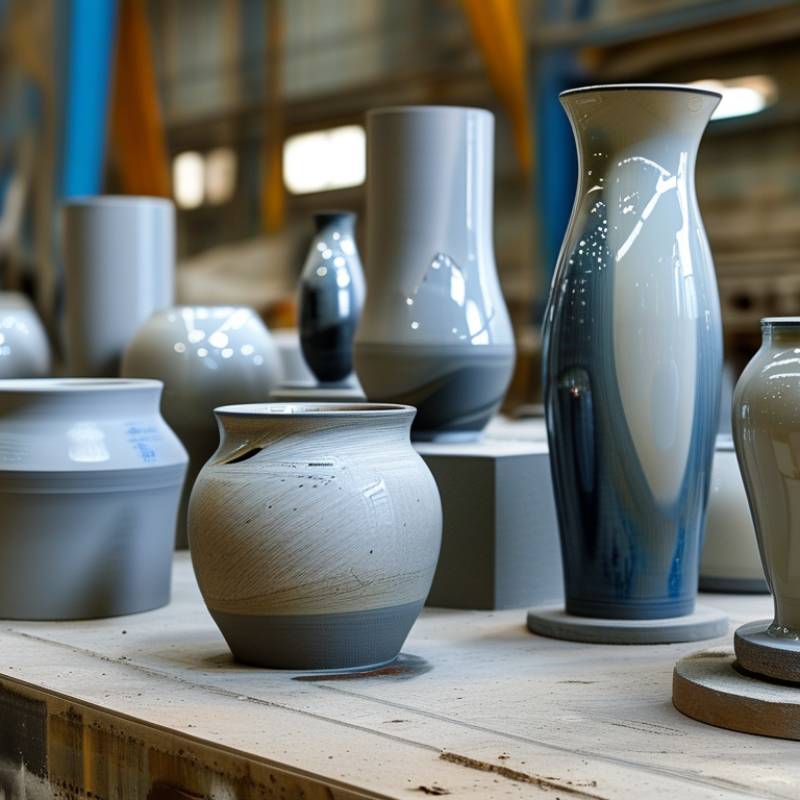
Technical ceramics are engineered materials known for their exceptional properties. These ceramics play a vital role in various industries, including aerospace, electronics, and medical devices. Understanding the types and properties of technical ceramics is essential to selecting the right material for your specific needs.
There are several types of technical ceramics, including alumina, zirconia, and silicon carbide. Each type has unique advantages. Alumina is known for its high hardness and thermal stability. Zirconia is favored for its toughness and corrosion resistance. Silicon carbide excels in high-temperature applications and mechanical strength. Knowing the strengths and weaknesses of each type will help you make informed decisions.
Tips: Consider your application carefully. Assess the environment in which the ceramic will be used. Will it face high temperatures or corrosive substances? Evaluate mechanical demands, such as strength and toughness. Don't overlook the processing techniques available. Some ceramics are easier to work with than others, affecting affordability and end-use.
Reflecting on your choices is equally important. Sometimes, the best material is not the most expensive. Balancing cost and performance can lead to better results. Gradually testing your selected ceramic in real-world scenarios is wise. It ensures it meets your expectations and allows adjustments if necessary.
Comparative Properties of Common Technical Ceramics
Assessing Mechanical Requirements for Your Application
When assessing mechanical requirements for selecting technical ceramics, several factors must be considered. First, the strength and hardness of the ceramic material play a crucial role. According to a study by the American Ceramic Society, certain technical ceramics exhibit compressive strengths exceeding 1000 MPa, making them suitable for demanding applications. These values can help in selecting materials that resist wear and deformation.
Another important aspect is the thermal stability of ceramics. Many technical ceramics retain their structural integrity at high temperatures, with some materials maintaining stability beyond 2000°C. This temperature resilience is vital in applications like aerospace and automotive industries. A detailed analysis from the Journal of Materials Science shows that failing to select a ceramic material with adequate thermal properties can lead to unexpected breakdowns.
Moreover, the brittleness of ceramics cannot be overlooked. While they excel in certain mechanical properties, ceramic materials often lack ductility. The absence of plastic deformation can result in sudden failures under stress. This trade-off requires careful evaluation during material selection. An informed decision balances the mechanical strengths against brittleness, ensuring optimal performance for specific applications. Selecting the right ceramic demands consideration of these complex factors to achieve reliability and efficiency.
Evaluating Thermal and Chemical Resistance Needs
Choosing the right technical ceramic involves understanding its thermal and chemical resistance. These factors determine how well a material performs in harsh conditions. Many applications require ceramics that can withstand extreme temperatures or aggressive chemicals. Evaluating your specific needs is essential for making an informed decision.
Thermal resistance is critical in industries like aerospace and automotive. High temperatures can cause materials to deform or lose strength. It's important to look for ceramics that can maintain integrity under heat. Similarly, chemical resistance is vital for materials exposed to corrosive substances. Some ceramics are more prone to degradation than others. Understanding the exposure conditions can help avoid failures.
Consider conducting tests or seeking expert advice. Each situation is unique, and what works for one might not work for another. Real-world applications often reveal unexpected challenges, so flexibility in material selection is key. Reflecting on these factors ensures better long-term performance and reliability.
How to Choose the Best Technical Ceramic for Your Needs? - Evaluating Thermal and Chemical Resistance Needs
| Ceramic Type |
Thermal Conductivity (W/m·K) |
Max Operating Temperature (°C) |
Chemical Resistance |
Applications |
| Alumina |
20 |
1650 |
High Resistance to Acids |
Electrical Insulators, Cutting Tools |
| Zirconia |
3.0 |
2500 |
Excellent against Strong Acids and Bases |
Dental Crowns, Aerospace Components |
| Silicon Carbide |
135 |
1600 |
High Resistance to Corrosion |
Semiconductor Devices, Abrasives |
| Titanium Dioxide |
8.0 |
1300 |
Good against Weak Acids |
Catalysts, Photocatalysis |
Identifying Cost and Manufacturing Considerations
When considering technical ceramics, cost and manufacturing processes play pivotal roles. Understanding the various types of ceramics can inform choices that align with both budget and operational requirements. For instance, advanced ceramics like alumina and zirconia may offer superior mechanical properties but often come at a higher price point. According to a 2022 market report, the cost of technical ceramics can range from $50 to $200 per kilogram, depending on the material and complexity involved in the manufacturing process.
Manufacturing methods such as sintering and injection molding heavily influence the end costs. A recent study highlighted that precision manufacturing can increase production costs by as much as 30%. Variations in techniques can also impact the consistency and quality of the final product. It's crucial to evaluate whether the benefits of enhanced performance justify these costs. For larger projects, small changes in fabrication techniques can lead to substantial financial implications.
Additionally, the choice of raw materials affects both pricing and availability. The demand for specialized ceramics is increasing, leading to potential supply chain issues. Manufacturers must balance quality and cost-effectiveness, requiring ongoing assessments of supplier reliability. This dynamic market landscape signals the importance of thorough research and forward-thinking strategies for cost management in technical ceramic selection.
Exploring Supplier Capabilities and Support Services
Choosing the right technical ceramic involves understanding supplier capabilities and support services. Not all suppliers offer the same level of service or expertise. Assessing their technical knowledge is essential. A knowledgeable supplier can guide you through material selection based on your specific needs.
Engage with potential suppliers. Ask about their experience in your industry. Check their response times and willingness to provide support. Some suppliers might excel in delivering materials but lack the technical backing to help you troubleshoot issues. This gap can lead to delays or increased costs.
Consider the certification and testing processes they provide. Suppliers with rigorous quality assurance can ensure reliability. However, not every supplier may have this robust system in place. Identifying these shortcomings can save you from future headaches. Building a relationship with a capable supplier can significantly impact your project's success.