Why Choose Zirconia Ceramic for Your Next Project?
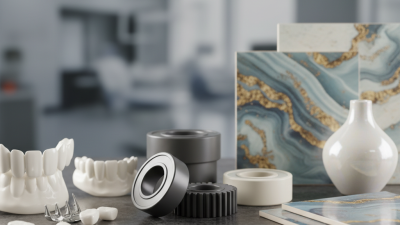
Zirconia Ceramic has gained immense popularity in various industries due to its unique properties. Dr. Emily Chen, a leading expert in ceramic materials, states, "Zirconia Ceramic is the future of durable and aesthetic solutions." This material offers exceptional strength and versatility, making it ideal for both functional and decorative applications.
Industries are now turning to Zirconia Ceramic for its impressive resistance to wear and high temperatures. Its low porosity ensures minimal absorption of liquids, enhancing cleanliness and durability. However, the cost and complexity of working with Zirconia Ceramic can be challenging for some projects. Mistakes in the fabrication process can lead to product failures, requiring careful planning and execution.
While Zirconia Ceramic shows great potential, it is essential to weigh its benefits against these challenges. The need for specialized skills in handling this material is necessary. When considering your next project, understanding both the advantages and limitations of Zirconia Ceramic is crucial for success.

Understanding Zirconia Ceramic: Key Properties and Benefits
Zirconia ceramic is an impressive material renowned for its remarkable properties. Its high strength is one of the key benefits, making it suitable for demanding applications. This outstanding toughness helps it endure mechanical stress without cracking. In many industries, components made from zirconia are designed to last longer, reducing replacement costs over time.
Another significant advantage is its excellent chemical resistance. Zirconia can withstand harsh environments, including acidic and alkaline conditions, without losing its integrity. This is crucial in fields such as dental and chemical processing. Moreover, the low thermal conductivity of zirconia makes it an excellent insulator, promoting energy efficiency in various applications.
Despite its advantages, using zirconia ceramic comes with challenges. The material can be brittle under specific conditions, leading to potential failures. Additionally, the manufacturing process can be complex, requiring skilled expertise and advanced technology. This complexity may raise costs for smaller projects. It's essential to weigh these factors and consider if zirconia is the best choice for your needs.
Comparative Analysis: Zirconia Ceramic vs. Traditional Materials
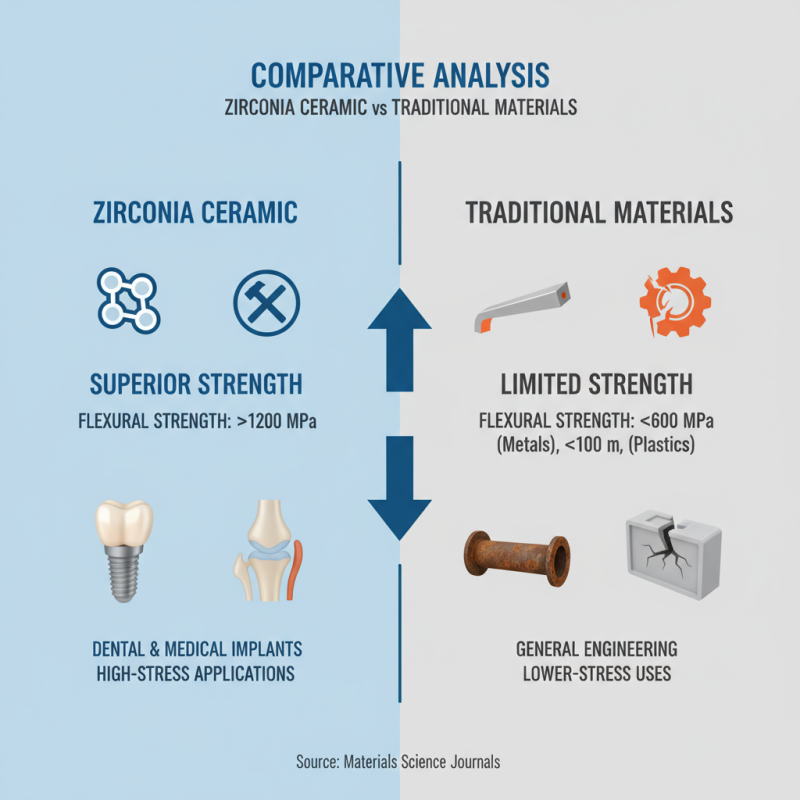
Zirconia ceramic stands out when compared to traditional materials like metals and plastics. Its remarkable strength makes it a preferred choice for high-stress applications. Studies show that zirconia exhibits a flexural strength of over 1,200 MPa, significantly surpassing aluminum and common ceramics. This durability is crucial in industries such as dental and medical, where component failure can lead to serious consequences.
Furthermore, zirconia is highly resistant to wear and corrosion. Unlike metals, which can tarnish or degrade, zirconia maintains its integrity even in harsh environments. The material's low thermal conductivity also offers thermal stability. Reports indicate that zirconia can withstand temperatures up to 1,500°C without losing structural integrity. However, the production process can be complex and costly, which may deter some projects.
Despite its advantages, zirconia isn't without drawbacks. Its brittleness can be an issue, leading to potential cracks under certain impacts. Still, when designed properly, many applications can benefit from its unique properties. The ongoing research in enhancing zirconia's toughness continues to identify ways to optimize its performance for future applications.
Applications of Zirconia Ceramic in Various Industries: A Data Overview
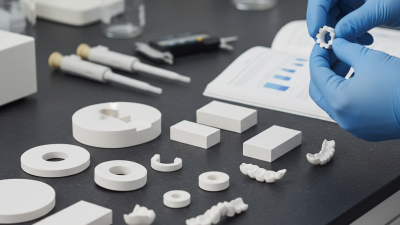
Zirconia ceramic has a broad range of applications across various industries. This material is known for its exceptional toughness and wear resistance. In biomedical fields, zirconia is used for dental crowns and implants. Its biocompatibility and aesthetic qualities make it a preferred choice for dental restorations.
In the automotive industry, zirconia serves critical roles. Its high resistance to heat and corrosion allows for reliable components in engines. Additionally, it is used in fuel cells, enhancing energy efficiency. The use of zirconia in cutting tools also highlights its practical applications. These materials remain sharp longer than alternatives, boosting productivity in manufacturing.
Despite its advantages, challenges exist. The initial costs can be higher than other materials. Not all applications may effectively utilize zirconia's properties. Researchers and engineers must continually evaluate performance and reliability. The evolving landscape of materials technology encourages ongoing innovation. Understanding these nuances helps industries make informed choices.
Why Choose Zirconia Ceramic for Your Next Project? - Applications of Zirconia Ceramic in Various Industries: A Data Overview
| Industry |
Application |
Key Properties |
Advantages |
| Medical |
Dental Implants |
Biocompatibility, strength |
Durable, aesthetic |
| Aerospace |
Engine Components |
Thermal stability, lightweight |
Efficiency, performance |
| Automotive |
Brake Systems |
High hardness, wear resistance |
Safety, longevity |
| Electronics |
Insulators |
Electrical insulation, thermal shock resistance |
Reliable performance, durability |
| Manufacturing |
Cutting Tools |
High toughness, sharpness |
Efficiency, cost-effectiveness |
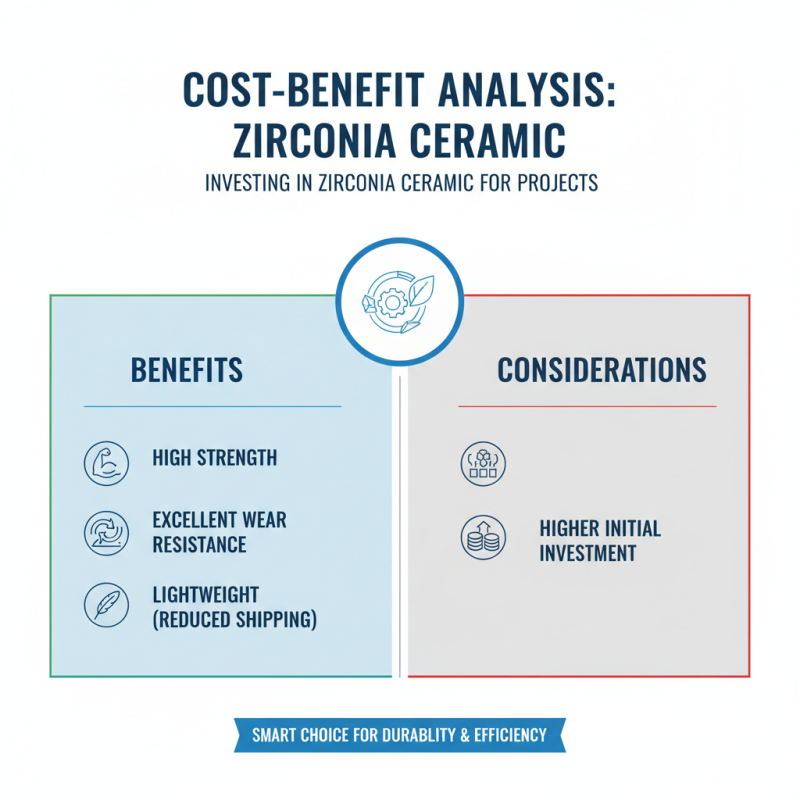
Cost-Benefit Analysis: Investing in Zirconia Ceramic for Projects
Zirconia ceramic is an excellent choice for various projects due to its unique properties. It offers high strength and excellent wear resistance. These qualities make it suitable for both industrial applications and everyday products. The material is also lightweight, which can reduce shipping costs. However, the initial investment may be higher than some alternatives.
When conducting a cost-benefit analysis, it's essential to consider long-term savings. While the upfront cost is significant, the durability of zirconia can lead to lower maintenance expenses over time. Frequent replacements are costly and time-consuming. With zirconia, fewer replacements are needed, saving money and effort.
However, the production process of zirconia ceramic can be resource-intensive. This factor could raise environmental concerns. Projects requiring a more sustainable approach might need to weigh these aspects carefully. It's vital to assess both the performance and ecological impact before making a decision. In some cases, other materials could offer better sustainability, despite their inferior performance or durability.
Future Trends: Innovations and Advancements in Zirconia Ceramic Technology
Zirconia ceramics are gaining attention in various industries due to their impressive properties. As we look to the future, innovations in zirconia ceramic technology are advancing rapidly. Researchers are exploring new synthesis methods. These improve the material's strength and durability significantly. Enhanced mechanical properties make zirconia ceramics appealing for applications ranging from dentistry to aerospace.
Recent trends focus on nanostructured zirconia. This new form exhibits superior toughness and wear resistance. Manufacturers are beginning to implement these advancements into commercial products. However, there remains a challenge in scaling production. The industry must find ways to make these advanced materials more accessible.
Additionally, sustainability is a growing concern. The production processes for zirconia are evolving to minimize environmental impact. Yet, achieving a perfect balance between performance and eco-friendliness remains complex. The ongoing research provides hope, but hurdles still exist. As zirconia ceramics continue to develop, the potential applications are exciting, though we must tread carefully.