2026 How to Choose the Best Refractory Sagger for Your Needs?
Choosing the right refractory sagger is crucial for ensuring optimal performance and durability in high-temperature applications. John Smith, a renowned expert in the refractory industry, once said, "The right sagger can make or break your production efficiency." This insight emphasizes the importance of making informed decisions when selecting a sagger tailored to specific needs.
Refractory saggers come in various shapes, sizes, and materials. Each type serves a unique purpose in different processes. The choice of a refractory sagger impacts not only the quality of the final product but also the overall efficiency of the production line. As you delve into options, consider factors such as thermal stability, resistance to chemical attack, and mechanical strength.
It is essential to reflect on your specific requirements. Not every refractory sagger will suit your application. Customization may be needed. Balancing cost with performance can be challenging. In a rapidly evolving market, staying updated with innovative solutions can make a difference. Be prepared to rethink your traditional choices and explore new materials for your refractory needs.
Understanding the Role of Refractory Saggers in Industrial Applications
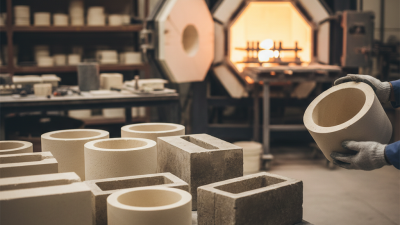
Refractory saggers play a vital role in the industrial sector, particularly in high-temperature processes. These structures are designed to support and protect ceramic materials during firing. According to a market analysis report, the global refractory materials market was valued at approximately $27 billion in 2022. As industries increasingly adopt advanced ceramics, the need for effective saggers will rise.
When selecting a refractory sagger, consider the specific application requirements. Sagger designs vary according to temperature resistance and thermal shock stability. Various industries use them, including ceramics, glass, and metal processing. A study revealed that companies reported a 15% increase in production efficiency when utilizing the right sagger type.
Durability and thermal performance are essential factors. However, not all refractory saggers will meet expectations. Some may fracture under extreme temperatures or fail to provide adequate support. Research indicates that 25% of users encounter challenges related to material wear. Continual assessments are crucial to prevent disruptions in production and ensure reliability.
Key Materials Used in Manufacturing Refractory Saggers and Their Properties
Selecting the right refractory sagger involves understanding the materials used in their production. These materials largely determine their performance. Common options include alumina, silica, and magnesia. Each has unique properties that cater to specific firing environments.
Alumina is prized for its high thermal stability and strength. It can endure extreme temperatures without degrading. Silica, on the other hand, is valued for its excellent thermal shock resistance. It is suitable for applications where rapid temperature changes occur. Magnesia is less common but essential for its high melting point and corrosion resistance, particularly in alkaline environments.
Understanding these materials aids better decision-making. For example, if your production involves frequent thermal cycling, a sagger made from silica might be ideal. However, selecting materials is not black and white. Application-specific needs can complicate choices. Balancing durability with cost is also crucial. Sometimes, a combination of materials proves effective, but this requires careful evaluation. Make sure to consider all aspects before settling on a refractory sagger.
Factors to Consider When Selecting Refractory Saggers for Specific Needs
Choosing the right refractory sagger requires careful consideration of specific needs. You must evaluate the temperature range the sagger will endure. Higher temperatures demand materials that can withstand extreme heat without failure. Assess the load capacity too; saggers must support the weight of heavy products during firing.
Another important factor is the material composition of the sagger. Refractory materials exhibit different properties. Some can resist corrosion, while others may not. This variability can impact the lifespan of the sagger. Additionally, the sagger's shape and size should fit your production specifications. A mismatch could lead to inefficiencies in the firing process.
You might find it challenging to balance cost and quality. Cheaper options often compromise durability, which can lead to frequent replacements. However, investing in high-quality refractory saggers can reduce long-term costs. Also, keep in mind that not every sagger suits every application. Each operation has unique requirements that may evolve over time, demanding further reflection on your choices.
Performance Metrics for Evaluating Refractory Sagger Efficiency and Durability
Choosing the right refractory sagger requires careful evaluation of performance metrics. Efficiency and durability are paramount in industrial applications. Data from recent industry reports indicate that saggers made of high-purity alumina can withstand up to 1,800°C while maintaining structural integrity. This durability is crucial for prolonged production cycles.
Heat resistance alone is not sufficient. Thermal conductivity must also be considered. Sagger materials with lower thermal conductivity lead to better energy savings. For instance, refractory saggers that exhibit thermal conductivity values below 0.5 W/mK have shown a reduction in heat loss by over 20%. This efficiency translates directly to cost savings in energy consumption.
Evaluating wear resistance is necessary, too. Measurements often indicate that saggers experience wear rates exceeding 0.1 mm per cycle under heavy loads. Selecting the right sagger with an appropriate abrasion index can significantly enhance the lifespan. Many users have found that regular assessments of these metrics lead to improved operational reliability over time. Yet, there remains a gap in awareness about maintenance practices that could extend the life of these essential tools.
Cost-Effectiveness Analysis of Various Refractory Sagger Options in the Market
When analyzing the cost-effectiveness of refractory saggers in the market, it's essential to factor in various criteria. Material quality plays a significant role in durability and lifespan. Better materials often come with a higher price tag but may lead to lower replacement costs over time. An investment in high-quality saggers can reduce defects during firing processes, thus saving money on production losses.
Another critical factor is the design and functionality of the saggers. Some options provide unique features that enhance performance. For instance, designs that promote even heat distribution can greatly impact product quality. However, these features can vary widely in price. It’s wise to weigh the benefits against the extra costs incurred.
It’s also worth noting that cheaper options might initially seem attractive. However, poor performance can result in increased downtime and maintenance costs. Reflecting on past experiences with various products can provide insight into reliable choices. Cheap may end up being very expensive. Therefore, thorough market research is key to making informed decisions that align with your operational needs.
2026 How to Choose the Best Refractory Sagger for Your Needs? - Cost-Effectiveness Analysis of Various Refractory Sagger Options in the Market
| Sagger Type |
Material |
Max Temp (°C) |
Cost ($) |
Lifespan (Hours) |
Cost-Effectiveness Ratio ($/Hour) |
| Standard Sagger |
Silica |
1300 |
150 |
2000 |
0.075 |
| High Alumina Sagger |
High Alumina |
1500 |
200 |
1500 |
0.133 |
| Cordierite Sagger |
Cordierite |
1400 |
175 |
1800 |
0.097 |
| Mullite Sagger |
Mullite |
1650 |
250 |
1200 |
0.208 |
| Zircon Sagger |
Zirconium |
2000 |
350 |
1000 |
0.350 |