Why Invest in Kiln Furniture for Your Production Needs?
Investing in kiln furniture can significantly enhance production efficiency in various industries. John Smith, a renowned expert in kiln technology, states, "The right kiln furniture is essential for maximizing output and quality." His insights highlight the importance of choosing the appropriate materials and designs for specific production needs.
Kiln furniture, which includes shelves, props, and support structures, plays a crucial role in how materials are processed under high temperatures. Properly designed kiln furniture can withstand extreme conditions. This durability not only optimizes the overall firing process but also prevents costly damages to products.
However, not all kiln furniture is created equal. Businesses must assess their unique requirements carefully. One company's investment in kiln furniture may not suit another's needs. The decision-making process requires careful consideration and expertise. By prioritizing quality and functionality, companies can improve their firing cycles, minimize waste, and enhance product quality. This strategic investment can lead to long-term benefits.
Understanding Kiln Furniture: Definition and Purpose
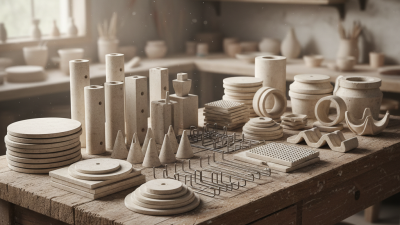
Kiln furniture refers to the essential structures used to support and organize items during the firing process in a kiln. Common examples include shelves, posts, and props. These elements are crucial for maintaining efficiency and optimizing space, especially in high-temperature environments. They enable potters and manufacturers to achieve uniform firing. With more precise placement, the quality of the final product improves significantly.
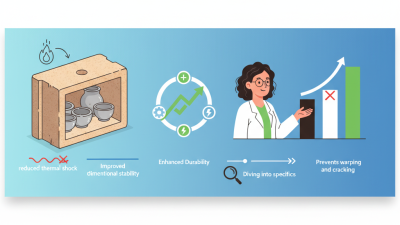
Understanding the purpose of kiln furniture is vital for production needs. It not only enhances thermal efficiency but also prevents damage to delicate pieces. Using proper supports can lead to better airflow around products, resulting in even heat distribution. Without adequate kiln furniture, fragile ceramics might warp or crack, leading to wasted materials and time. It's essential to consider how these items contribute to both safety and quality in your operations.
While kiln furniture plays a pivotal role, it’s important to reflect on their limitations. For instance, not every type of furniture suits all ceramics. Experimentation may be required to find the right fit for specific production needs. Additionally, the initial cost of high-quality kiln supports can be daunting for new businesses. However, investing in reliable kiln furniture often pays off in better productivity and fewer defects.
Benefits of Investing in Quality Kiln Furniture
When considering production efficiency, kiln furniture plays a crucial role. Quality kiln furniture can enhance the firing process, leading to better results in ceramics and porcelain. Industry reports indicate that using high-grade materials can reduce defects by up to 25% during firing. This translates to lower production costs and fewer material wastages. Employing quality kiln supports prevents uneven heat distribution, which is critical in maintaining optimum product quality.
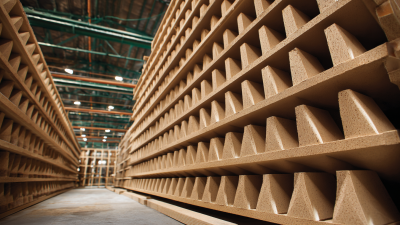
Investing in sturdy kiln furniture can boost productivity. Using premium products allows for higher stacking densities. Manufacturers can utilize kiln space more efficiently, resulting in increased output. According to data from the Ceramic Industry Report, companies that upgraded their kiln furniture experienced a 15% increase in production capacity. Furthermore, durability is a key factor. High-quality kiln furniture lasts longer, reducing the need for frequent replacements. Lifespan improvements can lead to significant cost savings over time.
While the upfront cost of quality kiln furniture may seem high, the long-term benefits outweigh the initial investment. Skimping on kiln furniture might save money now but leads to higher risks of production failures later. It is essential to reflect on the balance between cost savings and potential product losses. The right choice in kiln furniture can lead to better firing dynamics and ultimately a more successful production operation.
Types of Kiln Furniture: Options for Different Production Needs
Kiln furniture is essential for various production needs. It supports, spaces, and secures items during high-temperature processes. Depending on your specific requirements, there are different types of kiln furniture to explore. Choosing the right type can greatly impact efficiency.
One common type is kiln shelves. These shelves offer strong, flat surfaces that can withstand intense heat. They come in various sizes, allowing for customized setups. Another option is posts. These are used to create layers within the kiln, maximizing space. They also enhance airflow, which is crucial for uniform heat distribution. It’s wise to consider the material and design of the posts for durability.
While exploring these types, be mindful of potential limitations. Some shelves may warp over time, affecting production quality. Not all posts may fit standard kilns, leading to functional issues. Regularly assessing your kiln furniture can help address these challenges. Finding the right balance between quality and cost is key.
Factors to Consider When Choosing Kiln Furniture
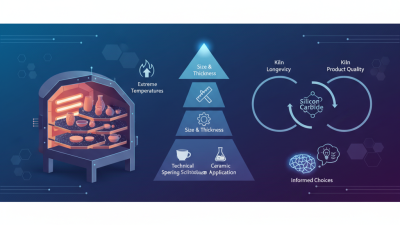
When selecting kiln furniture, specific factors deserve attention. The material type is crucial. Different ceramics and glass can affect heat distribution. For instance, silicon carbide offers excellent thermal shock resistance. This makes it a popular choice among manufacturers.
Load capacity is another critical aspect. According to industry reports, the ideal kiln furniture should support heavy loads without deforming. A deformation can lead to product failures. As production levels increase, the ability to manage heavier loads becomes vital.
Lastly, consider the furniture's thermal conductivity. High thermal conductivity promotes even heat distribution. This can significantly impact energy efficiency. Research suggests that optimizing thermal properties can reduce energy costs by up to 20%. Monitoring and adjusting these factors can lead to improved production outcomes. A small oversight in choosing kiln furniture may result in larger, more costly production issues.
Maintenance and Care for Longevity of Kiln Furniture
Kiln furniture plays a crucial role in ensuring efficient production processes. Proper maintenance is essential for extending its lifespan and performance. Regular inspections can identify cracks or deformities before they worsen. Make it a habit to check your kiln furniture after each firing cycle. Even a small chip can lead to bigger issues down the line.
Cleaning is another vital aspect of care. Use appropriate cleaning agents to prevent buildup of residue. This can affect the quality of your firing and the longevity of the furniture. Abrasive materials can cause damage, so choose soft cloths or brushes. Also, avoid drastic temperature changes when handling kiln furniture to prevent thermal shock.
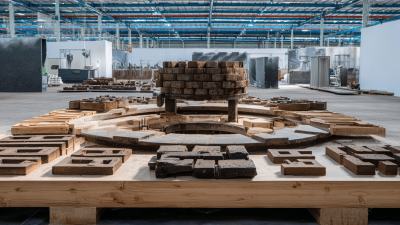
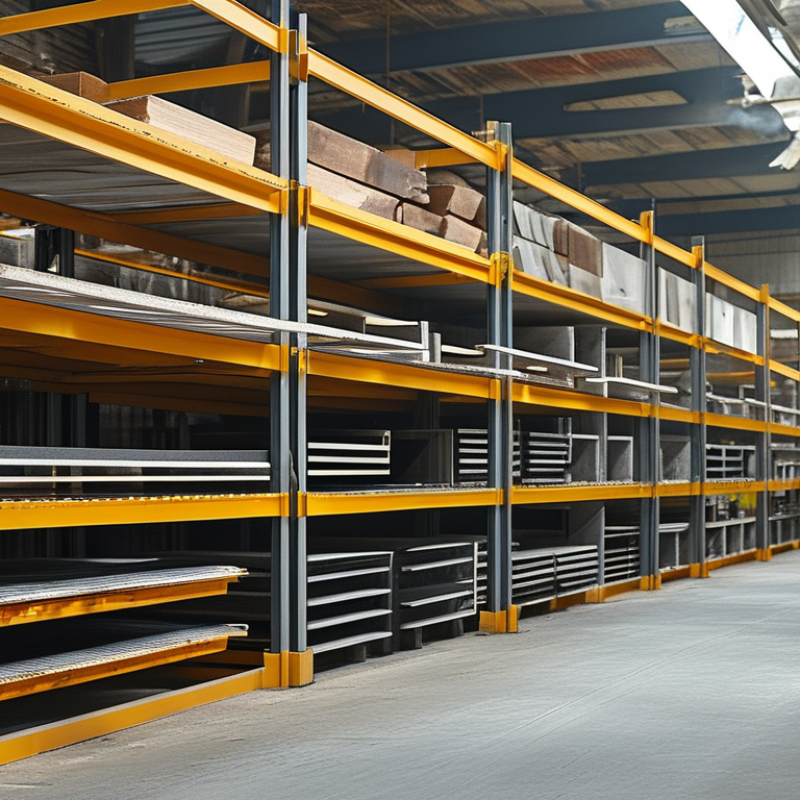
Storing kiln furniture correctly also contributes to its durability. Avoid stacking pieces in a way that adds unnecessary pressure. Instead, use protective barriers between items. This simple step can prevent scratches and other forms of damage. Reflect on your current maintenance practices and seek ways to improve them. Even slight adjustments can lead to a significant impact on the longevity of your kiln furniture.