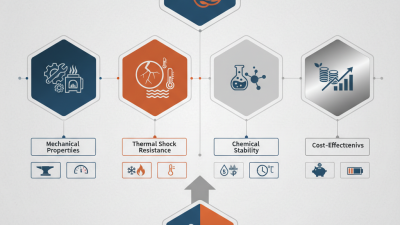
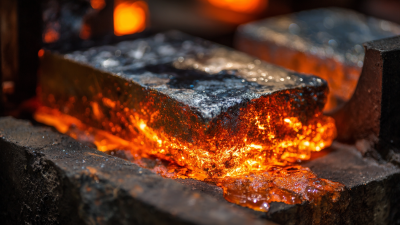
Choosing the right Silicon Carbide Kiln Shelves can improve firing stability, loading efficiency, and long-term kiln performance. In 2026, buyers will encounter several established shelf types, including reaction-bonded, recrystallized, nitride-bonded, and oxide-protected designs. Each type combines silicon carbide differently. That difference affects strength, thermal shock resistance, surface durability, weight, and service life. Reaction-bonded shelves often provide balanced performance for routine ceramic production. Recrystallized shelves can tolerate demanding temperatures and repeated thermal cycling. Nitride-bonded options may offer excellent oxidation resistance and reduced warping. No single shelf wins every firing. That assumption can fail.
Practical selection depends on more than maximum temperature. Experienced kiln technicians examine firing schedules, shelf thickness, glaze chemistry, ware weight, kiln atmosphere, and support spacing. During a bisque firing, a moderately thick shelf may provide dependable support for unevenly loaded pieces. During repeated glaze firings, lower weight and stronger thermal shock resistance can reduce handling stress. Surface texture also matters when delicate ceramic bases require stable contact. Manufacturers may publish test data, but actual kiln behavior still deserves careful observation. Real-world results can vary between brands and production batches. A short trial may reveal warping, edge damage, or unexpected glaze interaction. This guide compares the top types of Silicon Carbide Kiln Shelves for 2026. It focuses on measurable properties, practical applications, maintenance needs, and selection limits. Some recommendations remain conditional. Kiln design changes everything.
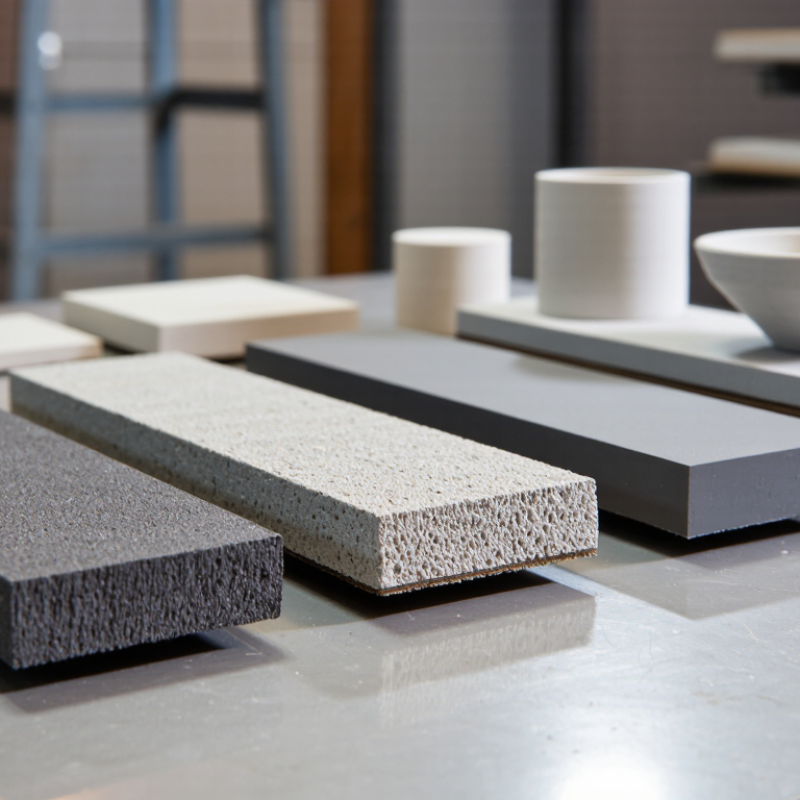
Silicon carbide kiln shelves are rigid platforms used to support pottery, tiles, and ceramic parts during firing. They sit between kiln posts and create stable, level layers. Unlike ordinary refractory boards, silicon carbide shelves conduct heat efficiently and resist deformation at high temperatures. This helps distribute heat around the ware, although loading mistakes can still cause uneven firing.
The main types include reaction-bonded, nitride-bonded, and oxide-bonded silicon carbide shelves. Reaction-bonded shelves are strong and widely used for routine ceramic firing. Nitride-bonded shelves usually offer excellent thermal shock resistance and a longer service life. Oxide-bonded versions can provide good oxidation resistance in demanding kiln atmospheres. Shelf thickness, surface finish, and kiln temperature matter as much as the bonding method. A thin shelf may heat quickly but can flex under heavy work. That detail is easy to overlook.
Tips: Choose a shelf with enough load capacity for your largest firing. Keep posts vertically aligned. Leave small gaps around the shelf edges for airflow. Inspect for hairline cracks before every firing. Avoid dragging shelves across kiln floors. I have found that careful handling often extends shelf life more than selecting the most expensive specification. Test one shelf under your actual firing schedule before changing an entire kiln setup.
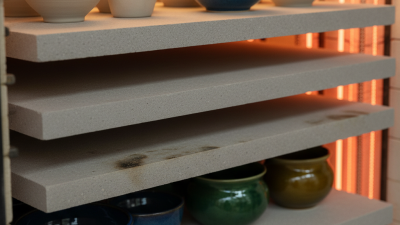
How Silicon Carbide Kiln Shelves Are Classified
Silicon carbide kiln shelves are classified by material structure, bonding method, thickness, and intended firing conditions. Common categories include reaction-bonded, recrystallized, and nitride-bonded silicon carbide shelves. Each type has different strength, porosity, thermal-shock resistance, and maximum working temperature. Classification also depends on shelf dimensions and load capacity. A thin shelf heats quickly, while a thicker shelf usually supports heavier ware but stores more heat.
In practical kiln work, shelves are often selected by application. Pottery studios may use lighter shelves for routine firing and easier handling. Industrial kilns may require dense shelves with stronger resistance to bending and repeated thermal cycles. Atmosphere matters too. Oxidizing and reducing conditions can affect shelf life differently. A shelf may look sound but contain a small crack near the edge. That flaw can grow during heating. This is easy to underestimate.
Tips: Check the shelf’s flatness before loading. Keep glazed pieces away from the surface when possible. Use posts with matching strength and stable spacing. Avoid dragging shelves across kiln floors. Record warping, chips, and firing temperature after each cycle. These notes improve future selection, although they cannot predict every failure. Even correctly classified shelves may perform differently when loading patterns, heating rates, or cooling speeds change.
Silicon carbide kiln shelves are commonly classified by their manufacturing route and bonding system. The chart compares typical maximum service-temperature ranges used in ceramic kiln applications. Actual performance depends on shelf thickness, load, atmosphere, firing cycle, thermal shock, and kiln design.
Kiln shelves are becoming more important as ceramic production demands higher firing efficiency. Fortune Business Insights’ 2024 silicon carbide market report forecasts an 8.3% CAGR through 2032. That growth supports stronger demand for heat-resistant kiln furniture. Recrystallized silicon carbide shelves remain a leading choice for high-temperature firing. Their open structure reduces thermal mass and improves gas circulation. They suit repeated cycles above 1,500°C, although their surface can feel slightly fragile during handling.
Nitride-bonded silicon carbide shelves offer a useful balance between strength, thermal shock resistance, and cost. They often perform well in electric and gas kilns operating around 1,400–1,500°C. Reaction-bonded shelves provide good rigidity and dimensional stability. They are practical for heavy ceramic loads, but their maximum service temperature may be lower.
Material selection should follow firing atmosphere, load weight, shelf span, and heating rate. A shelf that survives one test may still warp after months of cycling.
The 2024 Grand View Research report on advanced ceramics identifies electronics, energy, and industrial applications as major growth areas. These sectors favor thinner, lighter kiln furniture. That trend makes lightweight recrystallized designs attractive in 2026. However, thinner is not always better. Poor support placement can create stress lines, edge chipping, or unexpected sagging. In my experience, many failures begin with uneven loading rather than defective silicon carbide. Manufacturers should verify thermal data, flatness tolerance, and actual firing history before standardizing one shelf type.
Choosing a silicon carbide kiln shelf is not only a material decision. The shelf must match the firing schedule, load weight, atmosphere, and kiln layout.
For rapid firing or repeated thermal cycling, use a thin, lightweight shelf with strong thermal shock resistance. Nitride-bonded silicon carbide often suits demanding cycles and heavy ceramic forms. It handles high temperatures while limiting deformation. Reaction-bonded shelves can provide excellent heat transfer and practical durability for general production. However, their performance depends on the firing atmosphere and temperature range. Check the technical data carefully.
For large stoneware pieces, choose a thicker shelf with enough stiffness to resist sagging. Leave space between shelves for even heat circulation. For porcelain or delicate tiles, a flatter, lighter shelf may reduce heat differences across the load. Oxide-bonded silicon carbide can be useful where oxidation resistance and stable firing behavior matter. Kiln airflow still affects results.
Fit matters.
In production trials, shelf thickness is often overlooked. A shelf that worked well at 1,250°C may warp during a longer cycle or under a heavier load. Measure the shelf after cooling, inspect edge damage, and record its firing history. One test cycle is not enough. Adjust shelf spacing, support placement, and loading weight together. The best match is the one that remains stable in your actual kiln, not merely the one with the highest advertised temperature.
| Silicon Carbide Shelf Type | Typical Material Structure | Typical Maximum Service Temperature | Key Performance Characteristics | Best-Match Firing Applications | Main Selection Considerations |
|---|---|---|---|---|---|
| Reaction-Bonded Silicon Carbide | Silicon carbide grains bonded with silicon through an infiltration reaction. | Approximately 1,350–1,400°C in oxidizing service | Good dimensional accuracy, relatively low porosity, high thermal conductivity, and strong resistance to oxidation and abrasion at moderate-to-high firing temperatures. | Routine ceramic bisque and glaze firing, tableware, sanitaryware, wall and floor tile, and general kiln furniture where temperatures remain below the silicon-melting limitation. | Avoid prolonged exposure above the recommended temperature or in conditions that may attack residual silicon. Confirm compatibility with glaze vapors and the kiln atmosphere. |
| Recrystallized Silicon Carbide | Self-bonded, high-purity silicon carbide formed by recrystallizing fine and coarse SiC particles without a conventional oxide or metallic binder. | Approximately 1,600–1,700°C, depending on atmosphere and design | Very high temperature capability, excellent thermal-shock resistance, low thermal expansion, and good resistance to chemical contamination. | High-temperature technical ceramics, advanced ceramics, porcelain, electronic ceramics, powder metallurgy, and demanding firing cycles with rapid heating or cooling. | The porous structure can make the shelf more susceptible to liquid-glaze penetration. Use a suitable separator or kiln-wash when contact materials may react with SiC. |
| Nitride-Bonded Silicon Carbide | Silicon carbide grains joined by a silicon nitride bonding phase. | Approximately 1,500–1,550°C in suitable atmospheres | High strength retention at temperature, good creep resistance, low thermal expansion, and strong resistance to oxidation compared with many conventional kiln-shelf materials. | Heavy ceramic loads, large-format tiles, sanitaryware, structural ceramics, and repeated high-temperature cycles requiring low shelf deformation. | Particularly useful when load-bearing performance is more important than minimum shelf weight. Check the supplier's atmosphere limits because oxidation behavior depends on the bonding system. |
| Oxide-Bonded Silicon Carbide | Silicon carbide particles joined with an oxide-based ceramic bond. | Approximately 1,400–1,500°C, depending on formulation | Good oxidation resistance, useful thermal conductivity, and practical performance for many oxidizing kiln cycles. | General ceramic production, pottery, porcelain, tile, and oxidizing atmosphere firing where moderate shelf cost and dependable service are priorities. | Evaluate the oxide bond against alkaline vapors, fluxes, and glaze ingredients. It may be less suitable than high-purity recrystallized SiC for extremely aggressive or contamination-sensitive cycles. |
| Clay-Bonded Silicon Carbide | Silicon carbide grains held together with a refractory clay or aluminosilicate bond. | Approximately 1,350–1,450°C, depending on bond composition | Good thermal conductivity and thermal-shock behavior, with a cost-effective balance for standard ceramic kiln use. | Pottery studios, educational kilns, standard earthenware, stoneware, porcelain, and general-purpose firing with moderate mechanical loading. | Check thickness, span length, and firing temperature carefully. Repeated over-temperature exposure can accelerate warping, oxidation, or bond degradation. |
| High-Density SiC Kiln Shelf | A dense silicon carbide body produced with a low-porosity formulation; the bonding method may be reaction, oxide, nitride, or another ceramic system. | Commonly 1,400–1,600°C, based on bond type | High stiffness, low liquid absorption, good resistance to mechanical wear, and improved resistance to glaze or flux penetration. | Dense stacking, heavy sanitaryware, large slabs, repeated production firing, and applications where shelf cleanliness and long service life are important. | “High-density” describes the physical structure rather than a single bonding technology. Always verify the actual bond, porosity, maximum temperature, and atmosphere rating. |
| Lightweight Porous SiC Kiln Shelf | A reduced-mass SiC shelf using a porous or cellular structure to lower thermal mass. | Typically 1,300–1,600°C, depending on construction and bond | Lower weight, faster heat-up and cool-down, reduced energy demand, and easier kiln loading; load capacity is lower than that of an equivalent dense shelf. | Fast firing, laboratory kilns, small-to-medium ceramic pieces, frequent batch changes, and operations seeking shorter cycle times. | Match shelf thickness and span to the load. Avoid concentrated point loads, excessive unsupported overhang, and heavy greenware unless the rated load capacity has been confirmed. |
Silicon carbide kiln shelves are valued for high-temperature strength and efficient heat transfer. Common types include reaction-bonded, nitride-bonded, and oxide-bonded shelves. Each type has different resistance to oxidation, thermal shock, warping, and chemical attack. Reaction-bonded shelves often suit demanding heat cycles. Nitride-bonded shelves can provide strong oxidation resistance. Oxide-bonded shelves may perform well in oxidizing kiln atmospheres.
Selecting the right shelf starts with the firing temperature and atmosphere. Check the kiln’s peak temperature, heating rate, cooling rate, and fuel conditions. A shelf used near its limit may warp earlier than expected.
Do not choose thickness by appearance alone. Thin shelves reduce weight and improve heat circulation, but they need closer support spacing. Thick shelves carry heavier loads, yet they increase thermal mass and energy use. Kiln furniture design matters.
Consider the ware’s weight, shape, glaze chemistry, and contact area. Aggressive glaze materials can attack even durable surfaces. Measure the kiln chamber carefully, including posts and clearance zones. Flatness should be inspected before every major firing cycle. Small cracks deserve attention. They can expand during heating. Shelf life also depends on careful handling, gradual temperature changes, and correct storage. There is no universally best shelf. A technically suitable choice can still fail when support spacing or loading habits are overlooked.