2026 Best Kiln Furniture Options for Global Buyers
In the ever-evolving world of ceramics and heat treatment, selecting appropriate kiln furniture is essential. Kiln furniture encompasses a variety of supports and shelves, critical for optimizing firing processes. This is especially important for global buyers who seek efficiency and quality.
Many buyers might feel overwhelmed by the choices available in the market. The right kiln furniture can significantly impact firing outcomes. It can enhance stability and support for various ceramic pieces. However, not all options deliver the same performance. Some may warp or degrade under extreme heat. These factors make informed decisions crucial.
As we explore the best kiln furniture options for 2026, it is important to consider durability and reliability. Understanding material types and their properties will guide you in making the right selection. This knowledge can prevent costly mistakes and ensure successful results in your ceramics journey.
Overview of Kiln Furniture and Its Importance in Ceramics
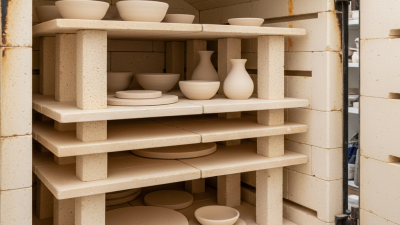
Kiln furniture plays a crucial role in ceramic production. It includes shelves, props, and beams, all essential for supporting ceramic pieces during firing. Research indicates that up to 30% of production defects can be traced back to inadequate kiln furniture. This highlights its significance in achieving high-quality results.
The global kiln furniture market is projected to grow substantially. According to a report by Allied Market Research, the market value could reach $1.2 billion by 2027. This growth signals a rising demand for reliable and efficient kiln furniture options. Ceramics are delicate. Poorly designed kiln supports can lead to cracks or damage, affecting the overall aesthetics and functionality of the final product.
Material selection is critical. Advanced ceramics are commonly utilized for high-temperature operations. However, many manufacturers still rely on traditional materials, which may not withstand extreme conditions. This inconsistency raises questions about performance and longevity. It’s essential for buyers to weigh their options, considering both innovation and reliability when selecting kiln furniture.
2026 Best Kiln Furniture Options for Global Buyers
Types of Kiln Furniture: Key Options for Different Needs
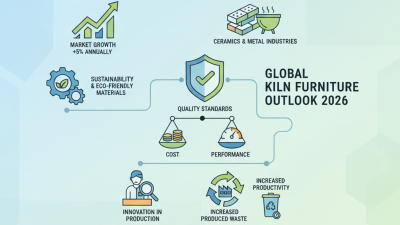
When selecting kiln furniture, understanding the various types is essential. Key options include shelves, props, and stilts, each serving unique purposes. According to industry reports, the global kiln furniture market is projected to grow by 5% annually. This trend reflects the rising need for efficient firing support.
Shelves are fundamental for maximizing space. They offer uniform support for ceramic products during firing. Props are crucial when stacking multiple shelves, preventing warping. Stilts allow for clear airflow in the kiln, ensuring even heating. Various materials like alumina are available, with alumina shelves lasting significantly longer than traditional options.
Tips: Consider the specific firing temperature and material compatibility. This affects durability and performance. Also, reflect on your workspace layout. Efficient organization can enhance productivity and minimize mistakes during each firing cycle. Ensuring you have the right type of kiln furniture can lead to better results and fewer issues down the line.
2026 Best Kiln Furniture Options for Global Buyers
| Type of Kiln Furniture |
Material |
Temperature Resistance (°C) |
Weight Capacity (kg) |
Best Use Case |
| Shelves |
Silicon Carbide |
1500 |
100 |
Ceramic and Glass Firing |
| Props |
Alumina |
1600 |
50 |
Support for Large Pieces |
| Kiln Wash |
Mix of Kaolin and Silica |
Varies |
N/A |
Surface Protection for Shelves |
| Kiln Posts |
Cordierite |
1400 |
80 |
Height Adjustment for Firing |
| Kiln Furniture Sets |
Various Composites |
Varies |
Customizable |
All-in-One Solution |
Materials Used in Kiln Furniture: Pros and Cons
When selecting kiln furniture, various materials come into play. Each has its own set of advantages and disadvantages, making the decision process quite complex.
High-alumina bricks are popular for their ability to withstand high temperatures. They provide excellent thermal stability. However, they can be quite heavy and may require more careful handling.
Cordierite furniture is another option, favored for its thermal shock resistance. This makes it suitable for irregular firing cycles. While lightweight and easy to transport, cordierite can be prone to cracking under extreme conditions. Understanding these materials provides critical insight into their suitability for specific applications.
Moreover, some kiln furniture may be made of silicon carbide. This material offers incredible durability and can handle very high temperatures. Still, it is expensive and may not be feasible for all budgets. Evaluating these materials thoughtfully helps users make informed choices that align with their production needs.
Considerations for Selecting Kiln Furniture for Global Markets
When selecting kiln furniture for global markets, understanding local requirements is crucial. Different regions may have varying kiln temperatures, which directly impact the choice of materials used for kiln furniture. For instance, some countries prefer ceramic supports, while others may opt for metal alternatives. It's essential to consider thermal expansion when selecting these materials.
Tips: Always check local temperature ranges before purchase. Different materials handle heat differently.
The shape and size of kiln furniture also matter. Customization options can facilitate better space efficiency. Some global buyers might encounter issues with standard sizes not fitting their specific kilns. Adjusting the design for a better fit can lead to improved overall firing efficiency.
Tips: Measure your kiln precisely. Small adjustments can yield significant improvements.
Furthermore, durability and longevity are essential. Investing in high-quality kiln furniture can reduce replacement frequency. However, ensure that quality matches local production capabilities to avoid supply issues. This approach helps in achieving better long-term cost efficiency.
Tips: Think about long-term performance. Cheaper options might not last as long.
Trends in Kiln Furniture Design and Innovation for 2026
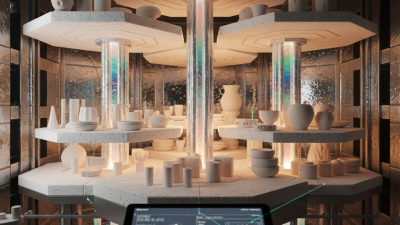
As we look toward 2026, kiln furniture design is evolving rapidly. Innovations focus on enhancing durability while maximizing efficiency. Manufacturers are exploring new materials. Lightweight and heat-resistant materials are gaining traction. These changes promise to streamline the firing process.
Tips: When selecting kiln furniture, consider the thermal expansion of materials. Ensure they can withstand high temperatures without warping. Investing in quality can save costs in the long run.
Another trend is modular designs. These allow for customizable setups. Users can adjust configurations based on specific project needs. Flexibility is crucial in an ever-changing market. However, some buyers might struggle to find the right balance between adaptability and stability.
Tips: Always assess the specific requirements of your kiln. Not all types can handle the same furniture configurations. Understanding your equipment is vital for optimal performance.