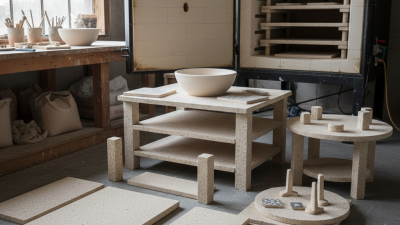
What Are the 2026 Top Kiln Furniture Types for Buyers?
What are the 2026 top kiln furniture types for buyers? The answer depends on firing temperature, ware shape, loading weight, and production rhythm. Kiln Furniture is not merely a support system. It affects heat circulation, shelf life, product quality, and energy use.
In 2026, buyers will compare cordierite-mullite shelves, silicon carbide shelves, kiln posts, setter plates, saggers, and specialized supports. Cordierite-mullite remains practical for many ceramic studios because it balances thermal-shock resistance and cost. Silicon carbide offers stronger heat transfer and better load capacity, especially in demanding production environments. Setter plates suit repeated industrial firing, while saggers protect sensitive pieces from direct flame, dust, or glaze movement. Small kiln posts still matter. A weak post can turn a carefully loaded kiln into a costly failure.
Ceramic kiln consultant Michael J. Cardew once advised, “Choose kiln furniture for the firing conditions, not only for its purchase price.” That principle still deserves attention. Buyers should examine dimensions, maximum working temperature, flatness, porosity, stacking tolerance, and replacement availability. Ask for test data, not attractive promises. A shelf may look flawless but warp after repeated cycles. That detail is easy to miss.
There is no universal winner. Really, there is not. A studio making porcelain needs different furniture from a factory firing heavy sanitaryware. Some buyers may also overestimate premium materials and ignore loading habits. That is a mistake worth revisiting. The strongest 2026 choices will combine material performance, predictable delivery, technical support, and realistic maintenance planning.
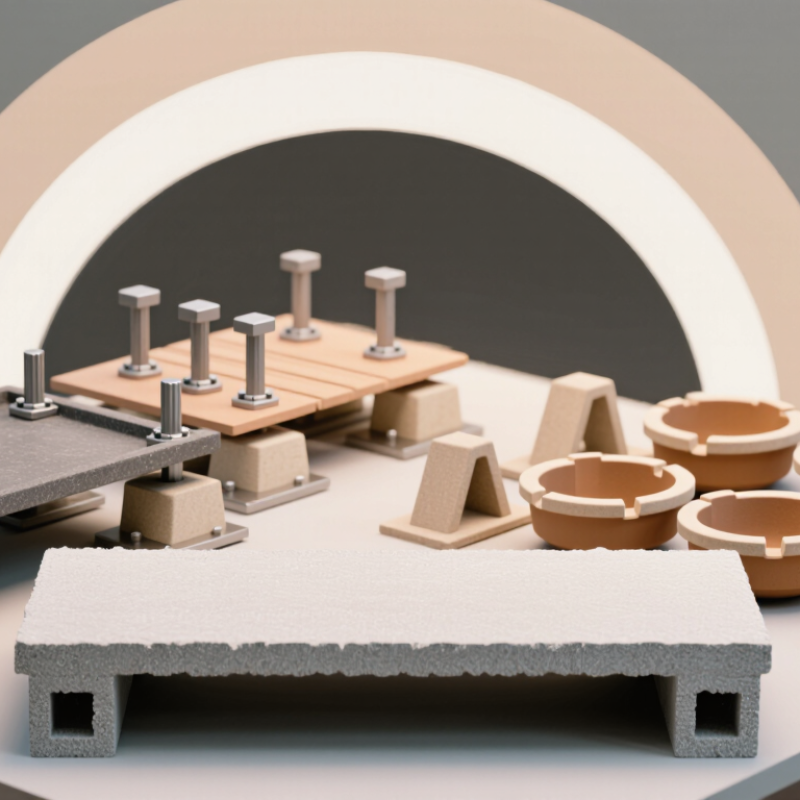
What Is Kiln Furniture and Why Does It Matter in 2026?
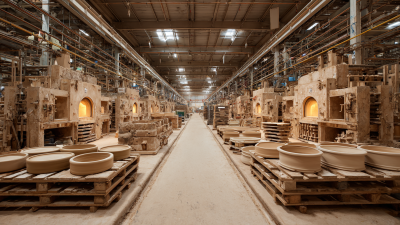
Kiln furniture is the heat-resistant equipment that supports, separates, and protects products during firing. It includes kiln shelves, support posts, setters, saggers, trays, and firing rods. These parts sit inside intense heat, often above 1,200°C, while carrying fragile ceramic or technical components. Their design affects airflow, loading capacity, heat movement, and product safety.
In 2026, buyers are focusing on furniture that lasts longer and wastes less energy. Lightweight kiln shelves can reduce thermal mass and shorten heating cycles. Strong support posts allow safer stacking without excessive thickness. Setters and saggers help protect precise parts from warping, dust, or uneven atmospheres. For powder-based or electronic ceramics, accurate spacing matters. A small gap can change the final surface.
Experience shows that material choice must match the firing process. Cordierite may suit moderate thermal shock, while silicon carbide offers higher stiffness and heat transfer. Alumina supports demanding temperatures but can increase purchase costs. Check load weight, maximum temperature, atmosphere, shelf deflection, and cleaning needs before ordering. Cheap furniture can become expensive after repeated cracking.
Do not trust specifications alone.
Inspect samples after real firing cycles. Look for warping, glaze sticking, edge damage, and difficult handling. Digital tracking may also help buyers record each piece’s age and performance. That sounds efficient, but poor data entry can mislead maintenance decisions. A practical 2026 purchase balances technical ratings with observed workshop behavior, worker handling, and replacement frequency.
Which Kiln Furniture Types Are Leading Buyer Demand?
In 2026, kiln shelves are leading buyer demand because they support nearly every firing load. Buyers want thinner shelves with strong thermal-shock resistance. Lower weight can also reduce heating energy and improve kiln capacity. However, thinner is not always better. A shelf that bends under heavy ware can create costly defects.
Kiln posts remain highly requested, especially adjustable posts for different product heights. Ceramic producers often combine short and tall posts to improve airflow around bowls, tiles, and sculptural pieces. Silicon carbide shelves attract buyers with demanding firing schedules, while cordierite-mullite shelves remain popular for general studio and production use. The choice depends on firing temperature, load weight, shelf span, and cooling speed.
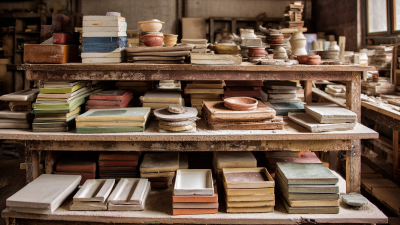
Small setters and saggers are gaining attention for delicate or repeatable work. They help protect small components from warping, dust, and uneven heat exposure. Refractory trays are also useful for glaze testing and compact production batches. In practical kiln-loading reviews, poor spacing causes more problems than many buyers expect. I have seen carefully selected furniture fail because posts were placed too far apart. That detail matters. Buyers should compare flatness, dimensions, allowable load, thermal range, and replacement availability before ordering. A simple spreadsheet can prevent an expensive mismatch.
How Do Kiln Shelves, Posts, and Supports Differ?
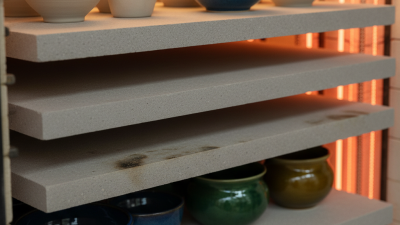
For 2026, buyers are comparing kiln furniture by load capacity, heat resistance, and flexibility. Kiln shelves are flat platforms that carry pots, tiles, or other fired pieces. They usually come in cordierite, mullite, or silicon carbide. Cordierite shelves are practical for general studio use. Silicon carbide shelves resist warping better under heavy loads, but they can cost more.
Posts are vertical spacers. They sit between shelves and create even firing levels. Short posts suit small work, while taller posts allow larger pieces to stand safely.
Supports serve a different purpose. They reinforce shelves, distribute weight, or stabilize unusual loads. Some support systems use triangular or cross-shaped pieces. These help reduce sagging, especially on wide shelves.
In my kiln-loading experience, uneven posts cause more trouble than weak shelves. I once ignored a slight shelf curve. The next firing made the problem obvious.
Tips: Measure the chamber before buying. Keep posts aligned vertically. Leave space around ware for airflow. Check every shelf for cracks, chips, or glaze drips. Do not assume a thicker shelf is always better; excessive weight can reduce usable kiln capacity. Follow the kiln maker’s temperature and stacking limits, even when a furniture supplier lists higher ratings.
Buyers should also consider modular shelf sets for changing product sizes. Adjustable systems are useful for studios producing both flat tiles and tall vessels. Still, flexibility can encourage overloading. Record shelf thickness, post height, and firing results after each test. Small notes often reveal weaknesses that visual inspection misses.
What Materials and Designs Suit Different Firing Conditions?
Choosing kiln furniture for 2026 requires matching the material to the firing atmosphere, temperature, load, and ware shape. Cordierite shelves remain practical for general electric kiln work because they resist thermal shock and stay relatively affordable. They can still warp when overloaded. That detail is easy to miss.
Silicon carbide shelves suit demanding firings and heavy forms. They transfer heat efficiently and usually resist sagging better at high temperatures. However, their stiffness can make them vulnerable to impact during handling. Alumina or mullite supports offer stronger heat resistance for repeated high-temperature cycles. Use them when standard shelves begin showing cracks, glaze damage, or permanent bending. Measure the kiln carefully. A few millimeters can affect airflow.
Furniture design matters as much as composition. Use tall posts for stacked shelves, but keep each level stable and evenly supported. Setters protect small pieces from deformation, while rings and stilts help separate glazed surfaces from kiln shelves. Saggars can shield sensitive surfaces from dust, flame movement, or uneven atmosphere. In reduction firing, enclosed designs may alter local gas circulation, so test a small load first. In oxidation firing, open spacing often supports more predictable heat movement. My view has changed with repeated firings: heavier furniture is not automatically safer. It can consume space, slow heating, and increase stress on the kiln floor. Load balance deserves more attention than appearance.
How Should Buyers Compare Quality, Safety, and Cost?
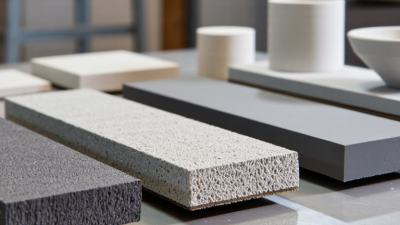
For 2026, buyers can choose from kiln shelves, posts, setters, stilts, and support plates. Quality starts with material selection. Cordierite shelves handle repeated heating and cooling well. Silicon carbide shelves usually offer greater stiffness and load capacity. Mullite products can provide useful thermal stability, but performance varies by formulation.
Check flatness, thickness, edge finishing, and rated temperature before comparing prices. A shelf that arrives slightly warped may create uneven support and costly firing problems. Look for clear technical data, batch consistency, and inspection records. Ask how the supplier tests thermal shock resistance. Vague answers deserve caution.
Safety depends on more than the furniture itself. Inspect every shelf and post for cracks, deep chips, and powdering before loading. Replace damaged pieces. Use stable posts with even spacing, and keep shelves away from kiln walls and heating elements. Kiln wash can reduce glaze adhesion, but it cannot repair structural damage. Wear suitable eye and respiratory protection when handling dusty materials.
Cost should include service life, breakage, shipping, and replacement frequency. A cheaper shelf may become expensive after several failed firings. Yet premium pricing is not proof of better quality. Compare cost per successful firing, not only purchase price. Keep records of loads, temperatures, and failures. This exposes weak assumptions. I have seen buyers overvalue appearance while ignoring weight limits. That mistake is easy to repeat.
What Are the 2026 Top Kiln Furniture Types for Buyers?
Typical upper service temperatures by kiln furniture material
Temperature figures are representative industry values and vary by grade, kiln atmosphere, load, firing cycle, and support design. Cordierite is generally the lowest-cost option for moderate temperatures and offers good thermal-shock resistance. Mullite provides a balanced combination of strength, stability, and cost for many high-temperature applications. Alumina supports higher temperatures and demanding loads but usually costs more. Silicon carbide offers high thermal conductivity and strong load-bearing performance, while oxidation behavior and operating conditions should be checked carefully.
Buyers should compare dimensional accuracy, apparent porosity, thermal-shock resistance, load capacity, chemical compatibility, edge quality, and total service life—not purchase price alone.