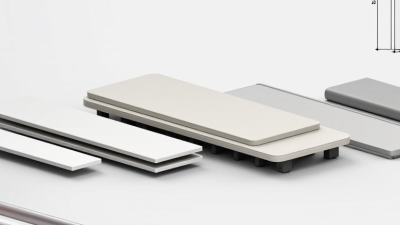
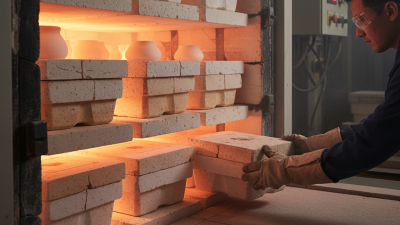
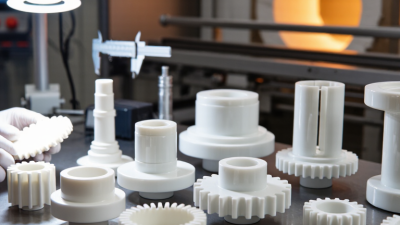
Cordierite Mullite Plate is used where kiln furniture must handle repeated heating and cooling. Its low thermal expansion and resistance to thermal shock can help reduce cracking during demanding firing cycles. Typical uses include ceramic kilns, laboratory furnaces, and heat-treatment equipment. Details matter. Performance depends on the grade, dimensions, firing conditions, and applied load, so no single plate suits every process.
For global buyers, supplier selection should go beyond a product photograph or a low quotation. Compare technical data such as maximum recommended service temperature, bulk density, porosity, flatness, and available sizes. Ask how the supplier checks each production batch and whether samples can be evaluated under your actual operating conditions. A plate that looks sound in a catalog may behave differently after repeated cycles. That deserves attention.
This guide introduces seven Cordierite Mullite Plate suppliers for buyers comparing product quality, customization, communication, and export support. It is intended as a practical starting point, not a guarantee that one supplier will fit every application. Review current specifications directly with each company, and confirm packaging, lead times, and shipping arrangements before placing an order. There are trade-offs. A very low price may come with limits in size or documentation, while a detailed quotation still needs verification. Careful questions, sample testing, and clear acceptance criteria can make supplier comparisons more reliable.

Cordierite–mullite plates combine two ceramic phases valued for high-temperature service. Cordierite, a magnesium aluminosilicate, has low thermal expansion. Mullite adds strength and heat resistance. Together, they can tolerate repeated heating and cooling better than many ordinary refractory ceramics. Exact composition and firing conditions vary by manufacturer, so performance figures should be checked against the product’s technical data.
These plates commonly serve as kiln shelves, setter plates, and supports for ceramic parts. In a kiln, a flat plate helps keep components stable during firing. It may also reduce damage from thermal cycling, though it is not immune to cracking. Plate thickness, surface finish, load, and temperature changes all affect service life. One detail is easy to overlook: a plate that performs well under steady heat may behave differently during rapid heating or cooling.
Tips: Ask suppliers for test data at your working temperature, plus recommended heating and cooling rates. Check flatness and load limits. Small differences matter. Trial a sample under real operating conditions before placing a large order.
Theoretical Oxide Composition of Cordierite and Mullite
This chart compares the theoretical oxide weight percentages of the two mineral phases commonly used in cordierite-mullite ceramics. Commercial plate compositions vary by formulation and manufacturing process, so the chart does not represent a specific supplier’s product.
Global procurement of cordierite mullite plates needs more than a low quotation. Check whether the supplier can hold dimensions, porosity, and firing quality across repeat batches. Request recent inspection records, batch traceability, and a sample cut from normal production—not a specially prepared piece. Ask for evidence. Compare test methods and tolerances before comparing prices.
Logistics deserve equal scrutiny. The World Trade Organization’s 2024 Global Trade Outlook reported that merchandise trade volume fell 1.2% in 2023, showing how quickly shipping conditions can shift. The World Bank’s 2023 Logistics Performance Index assessed 139 economies across six dimensions, including customs and timeliness. Use these reports as context, then verify the supplier’s own route, packaging, lead time, and claims process. Request a written plan for moisture protection, edge cushioning, and replacement of transit-damaged plates. Test the risk. I would also ask for thermal-cycle results under the buyer’s actual service conditions; a generic certificate can look reassuring but still miss the application. Samples and documents help, yet neither guarantees every production batch.
Supplier categories below are comparison profiles, not a ranked list of named companies. Actual product properties and service capabilities vary by manufacturer; verify them with current technical documents and samples.
| Supplier profile | Best suited for | What to evaluate | Documents or evidence to request | Global procurement consideration |
|---|---|---|---|---|
| 1. Kiln-furniture manufacturer | Repeated kiln cycles and production use where plate flatness, loading, and durability matter. | Plate dimensions, thickness tolerance, flatness, edge finish, working-temperature guidance, and performance under the buyer’s firing conditions. | Technical data sheet, dimensional inspection report, and sample or trial results under comparable operating conditions. | Confirm packaging protects edges and corners; kiln furniture is vulnerable to impact damage in transit. |
| 2. Refractory ceramics specialist | Buyers prioritizing refractory-material expertise and technical support for high-temperature applications. | Composition range, porosity, bulk density, thermal expansion, and stated service limits, including any load-related restrictions. | Product-specific test methods and results, plus written clarification of test conditions and property tolerances. | Ask whether the quoted temperature is a continuous-use limit, a short-term limit, or a test result; these are not interchangeable. |
| 3. Technical ceramics producer | Applications requiring controlled dimensions, repeatable production, or specified plate geometry. | Manufacturing tolerances, batch consistency, available sizes, machining capability, and inspection procedures. | Drawing review, sample measurements, inspection plan, and a clear definition of acceptable dimensional variation. | Clarify how custom tooling or machining affects lead time, minimum order quantity, and replacement-part consistency. |
| 4. Custom refractory-shape manufacturer | Non-standard shapes, drilled or grooved plates, and designs made to buyer drawings. | Drawing interpretation, achievable tolerances, corner radii, hole placement, and the effect of design changes on strength. | Approved production drawing, first-article inspection results, and written change-control procedures. | Approve a pre-production sample when geometry is critical, and establish ownership and revision control for drawings. |
| 5. Export-focused manufacturer | Buyers placing overseas orders who need coordinated export documentation and shipment planning. | Export experience, communication response time, packing method, production lead time, and ability to provide consistent order updates. | Pro forma invoice, packing details, country-of-origin information where applicable, and a written shipment schedule. | Agree on the Incoterms® rule, named place, insurance responsibilities, and who handles customs clearance before ordering. |
| 6. Regional refractory distributor | Smaller or urgent orders where local stock, consolidated purchasing, or nearby support is valuable. | Stock availability, product traceability, storage conditions, return terms, and access to manufacturer technical support. | Current stock confirmation, batch or lot identification, product data sheet, and written warranty or claims process. | Check whether stock is physically available or subject to replenishment; confirm local taxes and delivery charges separately. |
| 7. Multi-source industrial supplier | Procurement teams seeking one purchasing channel for multiple refractory or kiln-related items. | Source transparency, product equivalence controls, document availability, and responsibility for resolving quality claims. | Actual manufacturing origin, product-specific specifications, lot traceability, and the identity of the party responsible for quality issues. | Do not assume similar-looking plates are interchangeable; confirm material grade and approved specification for every repeat order. |
Procurement note: Cordierite-mullite plate performance depends on composition, manufacturing process, plate geometry, kiln atmosphere, heating and cooling rates, applied load, and installation. Compare suppliers using the same written specification and verify critical properties through product-specific documentation or testing.
Global buyers can compare seven supplier types: refractory ceramic manufacturers, kiln-furniture specialists, technical-ceramic producers, custom plate fabricators, regional distributors, high-temperature material suppliers, and OEM ceramic makers. Each may serve different order sizes and lead times. Some focus on standard plates; others accept custom dimensions. Ask what their production process can reliably hold. A catalog photo is not enough.
Check working temperature, plate thickness, flatness, and thermal-shock performance against your kiln conditions. Request a sample and a recent inspection report before placing a large order. Confirm packaging, replacement availability, and how the supplier handles dimensional variation between batches. Documentation helps, but it does not guarantee a plate will suit every firing cycle. That part deserves a real test. I would not choose on price alone; still, paying more does not automatically mean better consistency.
Tips: Send a drawing with tolerances, not just approximate dimensions. Ask for test data and clarify whether quoted performance reflects continuous or intermittent use. Note any visible warping after the first trial. A small test order can reveal problems early.
When comparing seven cordierite mullite plate suppliers, look beyond catalog breadth. A broad range helps when kiln furniture must fit different chamber sizes, firing cycles, or support layouts. Check available thicknesses, flatness tolerances, edge finishes, and options for custom dimensions. Ask for a current technical data sheet. Useful details include recommended service conditions and thermal-shock guidance, not just a headline temperature.
Quality is more than a smooth surface. Request batch inspection records and ask how dimensions are measured. A plate that looks flat on a bench may sag under load. Where practical, test samples using your own heating and cooling profile. Compare cracking, warping, and handling damage after repeated cycles. Results depend on geometry and kiln setup. One sample cannot prove long-term consistency.
Service matters when orders cross borders. Confirm lead times, export packing, replacement procedures, and how quickly technical questions receive specific answers. Good support should explain limits, not promise every plate suits every kiln. A neat catalog can still hide gaps. Compare packaging details and written tolerances before ordering in volume; this step is easy to miss when schedules are tight.
When sourcing cordierite-mullite plates, define the working conditions before comparing quotations. Share the required length, width, thickness, hole locations, and acceptable dimensional tolerances. Include the kiln’s peak temperature, heating rate, and expected number of thermal cycles. These details help suppliers assess whether the plate suits your process; a temperature rating alone may not tell the whole story. Ask for a material data sheet and a recent inspection record. Small details matter.
Request a sample when dimensions or performance are critical, and check it against your drawing before approving a larger order. Confirm how the supplier protects plate edges: rigid separators and a sturdy crate can reduce chips during long-distance transport. Ask for the packed weight, crate dimensions, lead time, and shipment terms in writing. For imports, verify that the invoice, packing list, and transport documents use consistent product descriptions and quantities. Photographs before dispatch can help resolve questions later. Still, they do not replace a physical inspection. Allow time for customs processing and local delivery when planning production; even a careful schedule can slip.