What Is the Best Refractory Sagger in China?
Choosing the best Refractory Sagger in China requires more than comparing prices or catalog photographs. The right choice depends on firing temperature, ceramic composition, kiln atmosphere, loading weight, and expected service life. A sagger may look strong before firing, yet crack after repeated thermal shocks. That difference matters.
Dr. Li Wei, a refractory materials consultant with experience in ceramic kiln applications, explains: “A sagger is not merely a container; it is part of the firing system.” This view is practical. The sagger controls product protection, heat exposure, gas movement, and contamination risk. In lithium battery materials, advanced ceramics, and electronic powders, small material differences can create large production losses.
China offers many refractory manufacturers, but quality is not uniform. High-alumina, mullite, cordierite, and silicon carbide saggers each provide different advantages. High-alumina often supports demanding temperatures. Cordierite may offer better thermal-shock resistance. Silicon carbide can improve heat transfer, but its oxidation behavior requires careful evaluation. The best Refractory Sagger is therefore application-specific, not universally defined.
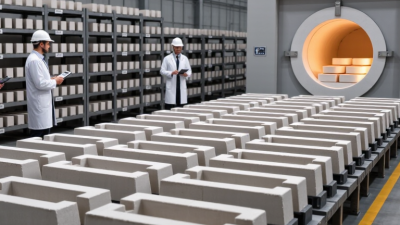
A reliable supplier should provide test data, dimensional tolerances, raw material details, and firing recommendations. Factory visits can reveal practical clues, including uneven surfaces, weak corners, or inconsistent kiln records. These details are easy to overlook.
There is no perfect selection. Even experienced buyers sometimes judge saggers too quickly. Long-term trials, inspection records, and honest feedback remain essential. This guide examines China’s leading options through performance, consistency, technical support, and total operating value. Price still matters, but premature failure costs more.
Definition and Role of Refractory Saggers in Ceramic Production
What Is the Best Refractory Sagger in China?
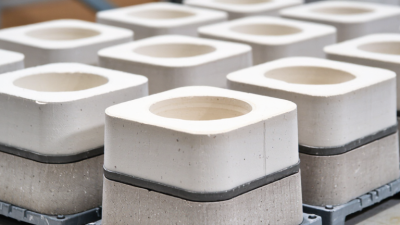
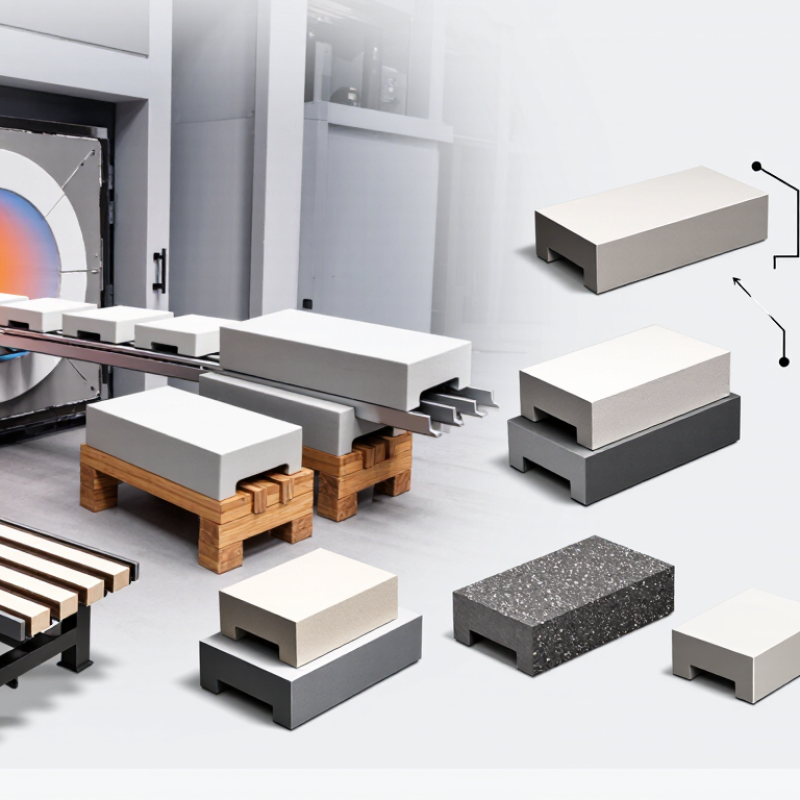
A refractory sagger is a heat-resistant box used to hold ceramic ware during firing. It separates products from direct flames, kiln dust, and harmful vapors. This simple barrier helps protect glaze surfaces, colors, and delicate shapes.
In ceramic production, saggers also support stable loading and heat transfer. Their walls can reduce sudden temperature changes around the ware. Common choices include high-alumina, cordierite-mullite, and silicon carbide compositions. The best refractory sagger in China depends on firing temperature, kiln atmosphere, product size, and loading weight. A tableware factory may value thermal-shock resistance. A technical ceramic producer may need greater strength and dimensional stability. Material data matters, but factory trials matter more. A sagger that performs well in one kiln may crack in another.
Tips:
Check flatness, wall thickness, and corner quality before use. Record firing cycles and inspect hairline cracks after cooling. Avoid overloading; uneven weight can distort the base. Keep glaze residue from building up on contact surfaces. This is often overlooked.
From practical testing, small cracks deserve attention. They can widen during repeated heating and cooling. I once considered longer service life the main purchasing goal, but that view was incomplete. Easy cleaning, predictable shrinkage, and consistent dimensions also reduce production loss. Ask for test samples and clear performance data. Then compare results under your own firing conditions, not only on paper.
Key Materials Used in High-Performance Chinese Saggers
What Is the Best Refractory Sagger in China?
Key Materials Used in High-Performance Chinese Saggers
The best refractory sagger depends on firing temperature, atmosphere, load, and chemical attack. China’s growing battery and ceramic industries demand stronger kiln furniture. The International Energy Agency reported nearly 14 million electric car sales worldwide in 2023. China represented more than 60% of that volume. This growth increases demand for saggers used in cathode and advanced ceramic processing.
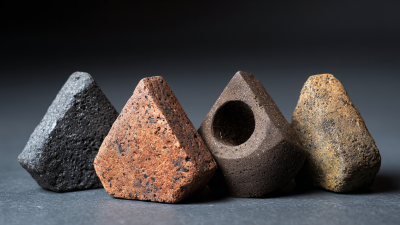
Cordierite-mullite remains a practical material for repeated heating cycles. Its low thermal expansion helps reduce cracking during rapid temperature changes. High-alumina saggers, commonly containing above 70% alumina, offer better resistance to alkaline and metallic reactions. They suit demanding powder calcination, but their thermal-shock performance can be less forgiving. Silicon carbide transfers heat quickly and supports heavy loads. Its surface may oxidize over time in air.
Small details matter.
A 2024 technical review in the Journal of the European Ceramic Society linked sagger life with porosity, grain bonding, and thermal gradients. In production, technicians should inspect corner chipping, warping, and powder adhesion after every cycle. ISO 10081 provides a useful framework for refractory classification, but it does not replace plant trials. I would not call zirconia the universal answer. It resists severe chemical attack, yet its price and thermal behavior can limit practical use. Material selection still needs measured data, not only catalogue values.
How to Evaluate the Best Refractory Sagger in China
What Is the Best Refractory Sagger in China?
How to Evaluate the Best Refractory Sagger in China
The best refractory sagger depends on your firing temperature, ceramic formula, loading weight, and kiln atmosphere. A sagger for porcelain may require different thermal shock resistance than one used for advanced ceramics. Begin with material composition, such as alumina or cordierite-mullite content. Ask for batch records, firing temperature, apparent porosity, bulk density, and cold crushing strength. These details reveal more than a polished product photo.
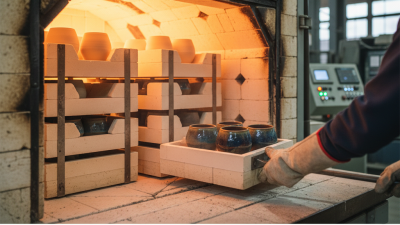
Check the sagger’s dimensions carefully. Measure wall thickness, flatness, and internal corners before kiln use. A slight base curve can become serious after repeated firing. During evaluation, run sample saggers through your actual heating and cooling schedule. Record warpage, edge chipping, surface dust, sticking, and weight change after each cycle. Ten cycles offer useful evidence. One cycle does not.
Supplier reliability also matters in China. Review production consistency, inspection methods, packaging, and traceability. A responsible manufacturer should explain raw material control and kiln temperature uniformity. Request samples from different batches, not only one selected piece. I once trusted a strong test report and ignored uneven firing marks. The saggers failed sooner than expected. That mistake still matters. Laboratory data needs practical confirmation. A small trial shipment, clear acceptance limits, and regular communication can prevent expensive kiln interruptions.
What Is the Best Refractory Sagger in China?
A refractory sagger should be evaluated by the factors that most directly affect firing reliability, product quality, and operating cost.
The chart presents a practical evaluation framework using percentage weights. Thermal-shock resistance and chemical compatibility receive the highest weighting because repeated heating and interaction with ceramic powders strongly influence sagger life and contamination risk. Maximum service temperature, dimensional stability, porosity control, and cost per firing should also be verified through supplier test data and production trials.
Leading Chinese Sagger Types and Their Industrial Applications
What Is the Best Refractory Sagger in China?
Choosing the best refractory sagger depends on temperature, atmosphere, loading weight, and firing frequency. Chinese manufacturers commonly produce cordierite-mullite, alumina, and silicon carbide saggers. Each type serves a different industrial purpose. There is no universal winner.
Cordierite-mullite saggers offer good thermal shock resistance and suit repeated ceramic firing. They are widely used for porcelain, electronic ceramics, and powder calcination. Alumina saggers withstand higher temperatures and resist chemical reactions. They work well in advanced ceramics and battery-material processing. Silicon carbide saggers transfer heat quickly and maintain strength under demanding cycles. They are useful for heavy loading and rapid kiln operations. However, their performance can change with kiln atmosphere and material contact.
Tips: Match the sagger material with the fired powder. Check wall thickness, corner design, and gas permeability. Ask for test data from similar kiln conditions. Inspect cracks after every cycle. Small defects can become serious failures. Do not judge quality by price alone. In practice, a cheaper sagger may require more frequent replacement. A premium design may also fail when operators overload it or cool it too quickly. Trial firing remains important. Record cycle temperature, weight, deformation, and service life. This evidence supports a more reliable purchasing decision.
Selection Criteria for Temperature, Durability, and Cost Efficiency
What Is the Best Refractory Sagger in China?
Selection Criteria for Temperature, Durability, and Cost Efficiency
Choosing a refractory sagger starts with the firing temperature and kiln atmosphere. A sagger should exceed the operating temperature without becoming soft, warped, or chemically unstable. For many ceramic applications, cordierite-mullite offers useful thermal shock resistance. Alumina suits higher temperatures and cleaner firing conditions. Silicon carbide can improve heat transfer, but oxidation and handling require careful control.
Temperature alone does not determine service life. During production trials, inspect corners, lids, and inner surfaces after repeated heating cycles. Fine cracks often appear after cooling, not firing. Wall thickness must balance strength and weight. A heavy sagger may survive impacts, yet it can increase energy use and slow temperature changes. That trade-off is easy to overlook.
Cost efficiency means measuring usable cycles, not purchase price. Record breakage, product contamination, loading time, and rejected pieces. Ask suppliers for material composition, firing records, dimensional tolerances, and batch inspection data. A small trial order is safer than accepting impressive specifications without evidence. In my view, the cheapest option is rarely the most economical. Still, an expensive sagger can also disappoint when its thermal expansion does not match the kiln process. Test results should guide the final choice, even when they challenge the original budget.
What Is the Best Refractory Sagger in China? - Selection Criteria for Temperature, Durability, and Cost Efficiency