In the world of ceramics, the use of a Ceramic Saggar is crucial for achieving exceptional firing results. Renowned ceramic artist Julia K. emphasizes, "The right saggar preparation can transform your work from ordinary to extraordinary." Her expertise highlights the importance of this technique in enhancing the final outcome of fired pieces.
Creating the ideal Ceramic Saggar involves more than just placing items in a container. It requires understanding how the materials interact with heat. It is an art that demands experimentation and reflection on previous outcomes. Many potters find that their first attempts yield mixed results. This can be frustrating but also provides invaluable learning experiences.
Each firing brings new insights. Adjusting the composition of saggar materials or altering the firing atmosphere can produce vastly different results. Potters must remain open to revisiting their methods and embracing imperfection. The journey with Ceramic Saggars is not just about achieving perfection but also about uncovering unique expressions in clay.
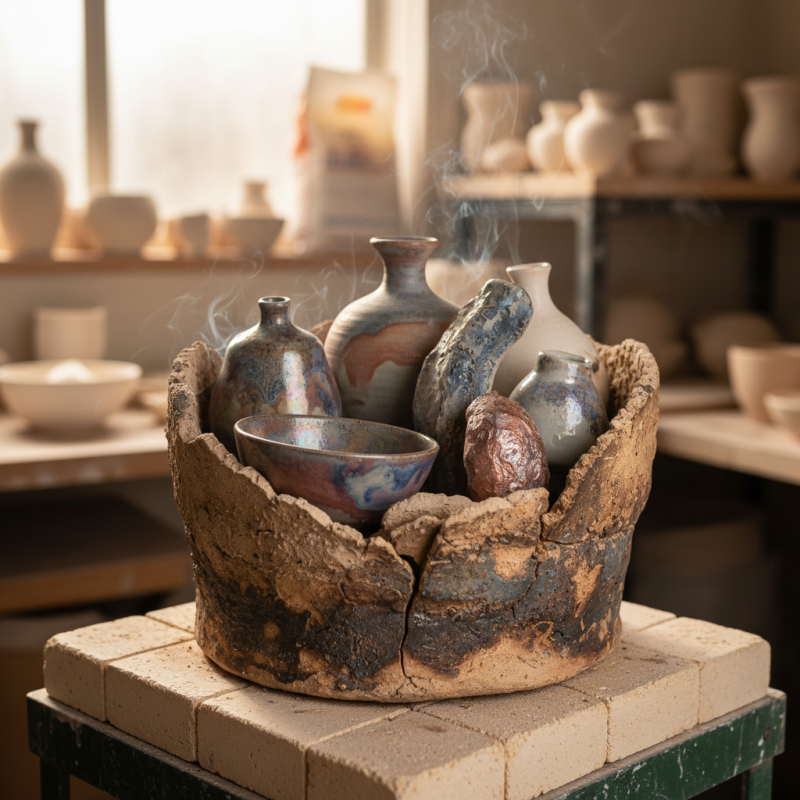
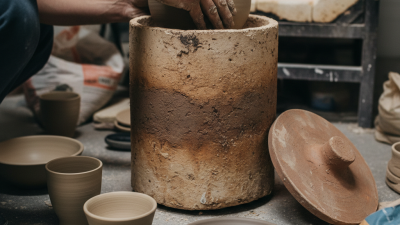
Choosing the right materials for ceramic saggar construction has a significant impact on firing results. Generally, materials like fireclay and kaolin are popular due to their high heat resistance. However, it’s crucial to experiment. Not all materials react the same way in the kiln. Mixing different types of clay can yield unexpected textures and colors, but be prepared for surprises.
Ventilation is another factor. Ensure your saggar has adequate openings to allow for airflow. This can influence the interaction between the clay and the atmosphere inside the kiln. Sometimes, too little ventilation leads to reduced oxidation and dull finishes. Even seasoned potters face challenges in achieving the desired effects.
Pay attention to packing techniques. How you position your pieces within the saggar can affect the outcome. Tight stacking may trap gases, leading to uneven results. Trying different layouts can be an enlightening experience. Embrace the uncertainty. Each firing is a learning process, full of potential errors and opportunities for experimentation.
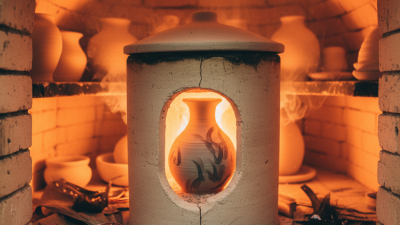
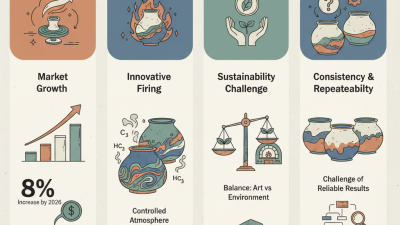
The kiln atmosphere plays a crucial role in the firing process of ceramics. Different atmospheres can greatly affect the final results of your pieces. Oxidation and reduction atmospheres lead to distinct color variations and surface textures. An oxidizing atmosphere often produces bright colors, while reduction can create richer, deeper hues. Understanding these effects is essential for achieving desired outcomes.
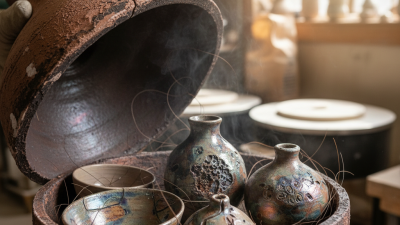
When using a saggar, consider how it influences the kiln environment. The materials within the saggar can interact with the kiln gases. This interaction can create unique effects on the piece's surface. Experimenting with different materials inside the saggar can lead to unpredictable yet fascinating results. However, not every attempt will be successful. It is important to reflect on these outcomes to refine your technique.
The firing temperature also influences the kiln atmosphere. Cooler temperatures can lead to incomplete melting, causing issues with glaze and color development. Conversely, extremely high temperatures can lead to overfiring and loss of detail. Monitoring these variables is crucial but can be challenging. Keeping a detailed firing log can help identify patterns and improve future results. Embrace the journey of experimentation; learn from the unpredictable outcomes.
When it comes to saggar firing in ceramics, temperature control is key. The optimal firing range generally falls between 1,800°F and 2,300°F. At these temperatures, the clay body and glaze interact in a way that encourages beautiful surface effects. For instance, pieces fired at lower temperatures may not achieve the desired level of color and texture. Conversely, anything above 2,300°F can lead to unexpected results, like warping or unwanted melting.
The type of clay and glaze used will also impact the ideal temperature. Each formulation has unique thermal properties that could shift the results dramatically. It's essential to experiment with small test pieces before committing to larger works. Factors like the thickness of the saggar and placement within the kiln can also influence outcomes. Sometimes, less is more. A minimalist approach can yield stunning results when combined with precise temperature management.
Overall, trial and error play an important role in achieving optimal firing results. Each firing will teach you something new. Documenting these processes can help refine your technique over time. Don't be afraid to adjust your approach based on the failures and successes you encounter.
Loading and arranging saggars effectively is essential for optimal firing results in ceramics. Studies show that unevenly loaded saggars can lead to unpredictable outcomes. The key is to balance the pieces and allow for adequate airflow. A report from the American Ceramic Society emphasized that proper spacing can elevate the final glaze quality by as much as 30%.
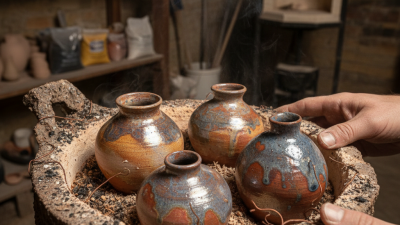
When arranging your pieces, consider their size and shape. Larger items should be placed at the bottom of the saggar, while smaller ones can go on top. This arrangement promotes heat distribution. Leave enough space between each object; tighter packing can result in blemishes or uneven firing. Reports indicate that optimal spacing can improve thermal consistency significantly.
Reflecting on personal experiences, I realized overloading saggars often led to disappointing firings. It can be tempting to maximize space, but the impacts are noticeable. Inadequate airflow can alter colors and textures dramatically. Adopting a more meticulous loading strategy can transform firing outcomes, encouraging us to reevaluate our current methods. A thoughtful approach makes all the difference.
| Tip | Description | Best Practices | Common Issues | Solutions |
|---|---|---|---|---|
| Use Adequate Space | Ensure enough space between pieces to allow for even heat distribution. | Arranging pieces with gaps of at least 1 inch. | Uneven glaze application or sags. | Rearrange for better airflow and heat access. |
| Layering Technique | Layer pieces vertically to maximize space and firing efficiency. | Stack smaller pieces on top of larger ones. | Overcrowding leading to blockages. | Selectively remove pieces to free up space. |
| Consider Saggar Materials | Use appropriate materials for your saggar to withstand the specific firing temperature. | Choose dense, high-fire clay or grog for durability. | Cracks or breakage during firing. | Experiment with different materials as needed. |
| Ventilation Considerations | Ensure proper ventilation for smoke and gases to escape. | Leave top and side openings in the saggar. | Poor coloration or surface quality. | Adjust vent sizes and configurations for optimized airflow. |
| Monitor Firing Duration | Carefully time your firing to avoid overheating or under-firing. | Use timers and temperature controls. | Inconsistent results or defects. | Adjust firing schedules based on outcomes. |
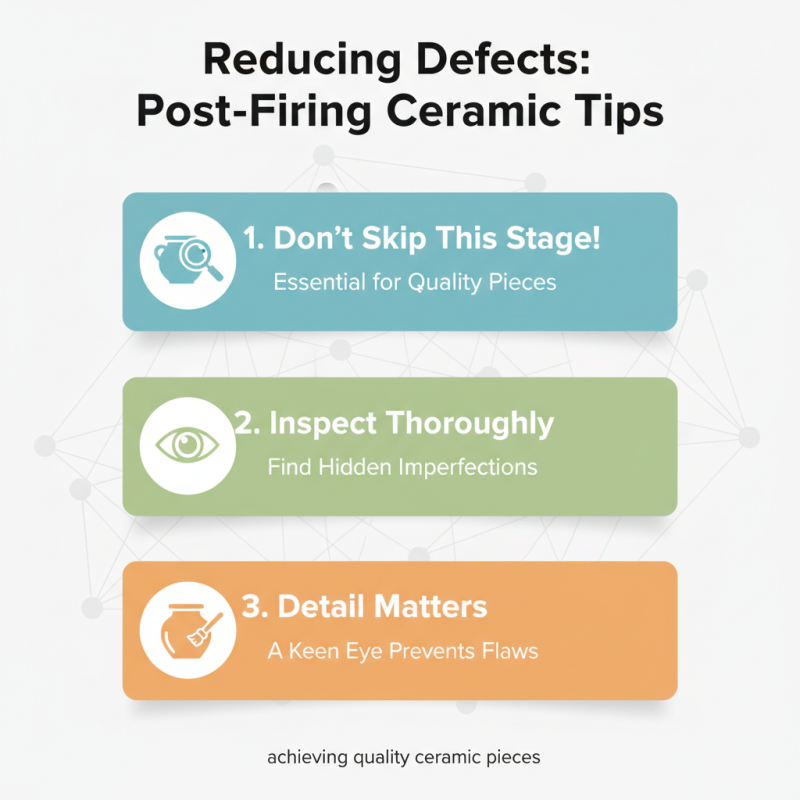
Post-firing cleaning and finishing are essential for achieving quality ceramic pieces. Too often, artists overlook this stage, which can lead to unexpected defects. Thorough inspection after firing reveals hidden imperfections. A keen eye for detail makes all the difference.
Dust and soot accumulate during firing. A gentle brushing with a soft brush can remove many surface blemishes. For stubborn residue, damp sponges work wonders. Care is crucial; excessive scrubbing can lead to scratches. Some pieces may require polishing for an optimal finish. This process enhances the piece's overall appearance.
Handling pieces with care post-firing is vital. Even minor chips can compromise the integrity of the work. Sometimes, a piece may seem flawless but isn’t. Reflecting on each finished work helps identify common issues. Learning from mistakes ensures better results in future firings. Embrace the imperfections. They often reveal the journey of the artist.